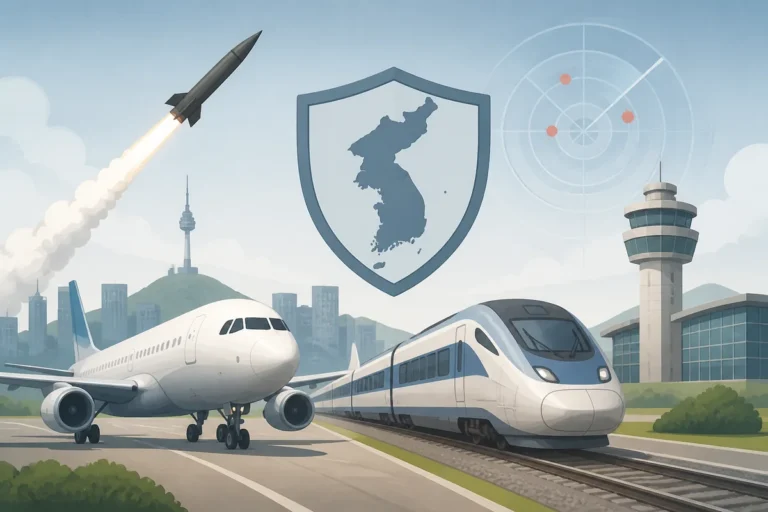
The 1330 travel helpline is Korea’s official tourism support line, run by the Korea Tourism Organization. Use it when you need directions explained, a language barrier resolved at a shop or front desk, or a service complaint logged — not when there is an urgent threat to life or safety. That distinction matters, and this guide walks through exactly when and how to use it. Check 1330 Travel Helpline & Complaint Center- VISITKOREA for the current details.
What 1330 Is and Who It’s For
1330 is a dedicated helpline for foreign visitors in Korea. It handles travel information, real-time interpretation support, and inconvenience or complaint reports about tourist services. It is operated by the Korea Tourism Organization and is available every day, around the clock.
The service is free to call from any phone inside Korea — mobile, landline, or payphone. You do not need a Korean SIM to use it. If you are calling from outside Korea, the number changes by country, but most visitors use it from within Korea during their trip.
The line supports several languages including English, Japanese, Chinese, and others. The exact language roster is confirmed by the Korea Tourism Organization, so if your language is not immediately available, an operator can usually connect you to the right interpreter.
It is built for situations like: you are at a restaurant and cannot communicate your allergy, you have been overcharged at a taxi and want to report it, or you need to know which bus goes to a specific tourist site. Those are exactly the kinds of problems 1330 is designed to solve.
Which Channel to Use: Phone, Chat, or Online
Calling is the fastest option and works well when you need real-time help — like standing at a counter trying to communicate with staff. You dial 1330, choose your language, and an interpreter joins the call. They can speak directly with the Korean person in front of you, which makes it genuinely useful for live situations.
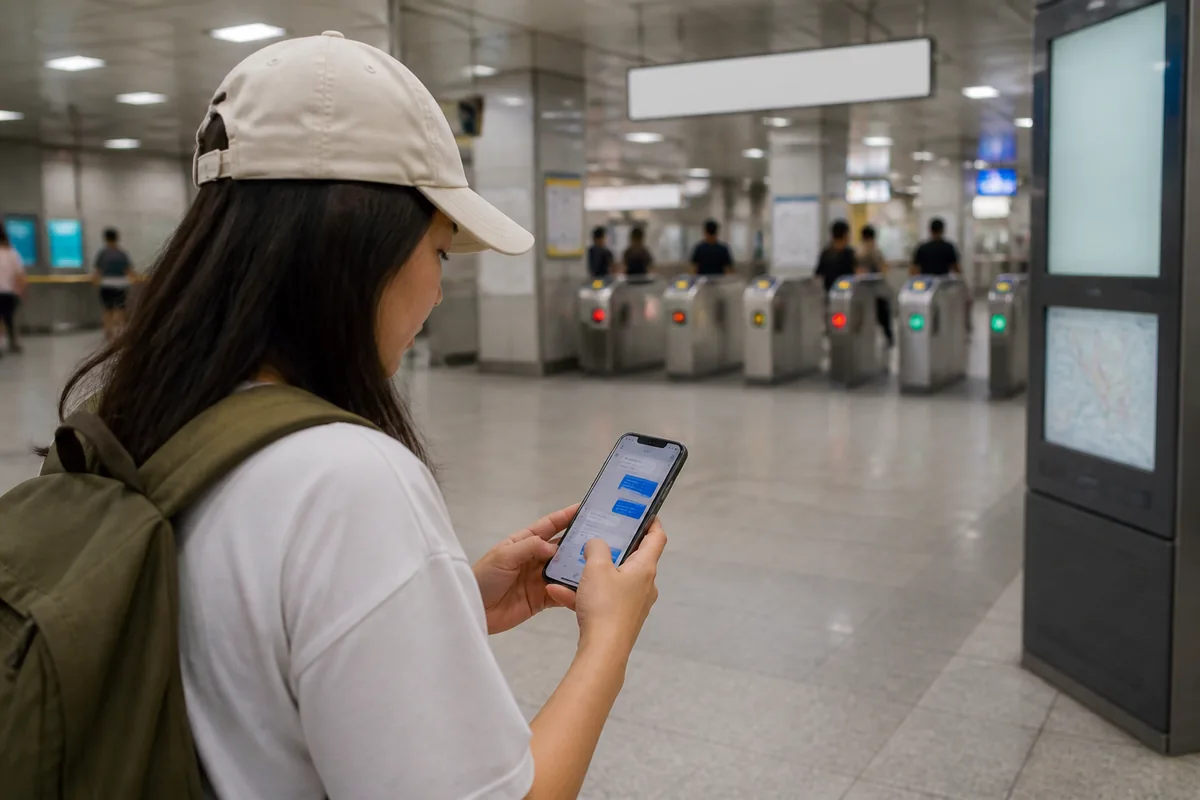
Chat and online contact are available through the Korea Tourism Organization’s official 1330 platform. These channels work better when your situation is not urgent — you want to ask about a travel route in advance, check what documents a venue requires, or submit a written complaint after the fact. Response times for chat vary depending on volume and time of day, so do not rely on chat if you need an answer in the next two minutes.
For most visitors, the phone call is the go-to for anything happening right now. Chat and the online form are good for planning questions or follow-up reports.
How Tourist Interpretation Help Works in Real Situations
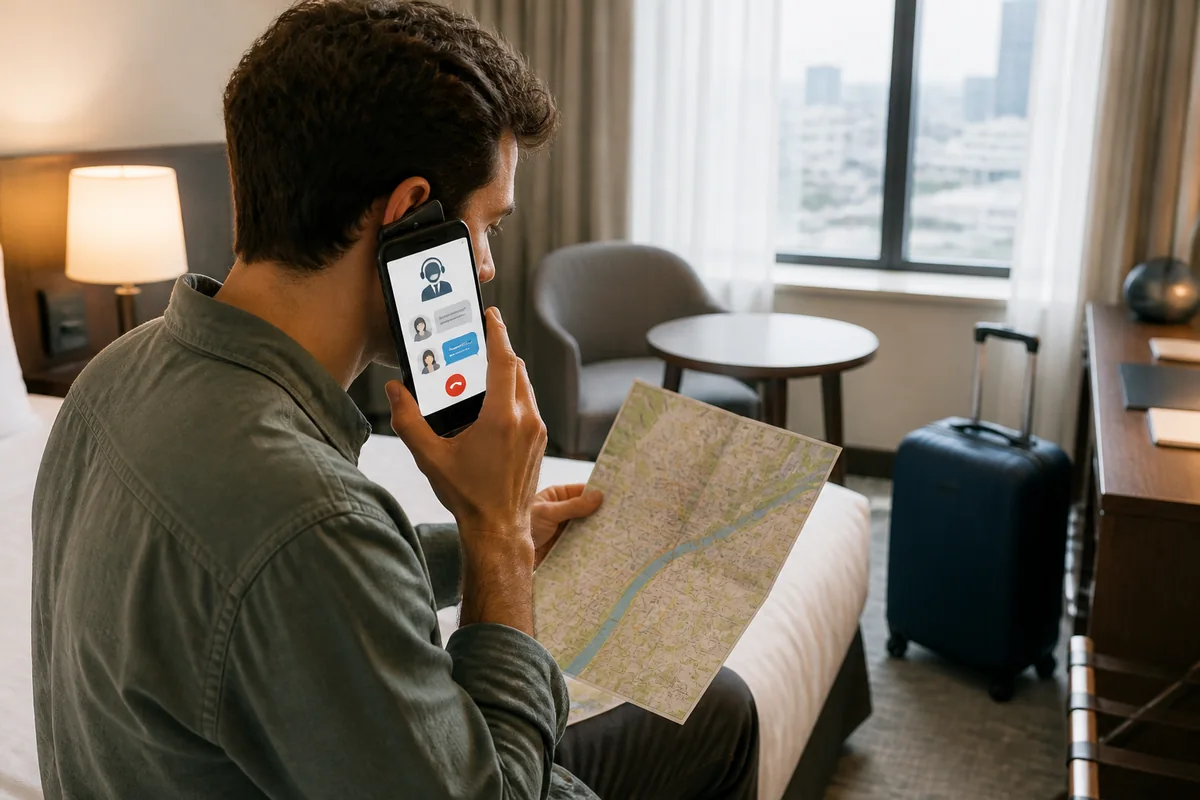
This is one of the most useful things 1330 offers, and many visitors do not realize it works as a live three-way call.
Here is how it plays out: you are at a pharmacy, a guesthouse front desk, or a local clinic, and the staff speak only Korean. You call 1330, tell the operator your language and the situation, and they connect an interpreter. You hand your phone to the Korean staff member, or put it on speaker, and the interpreter relays the conversation in real time — back and forth, between you and them.
This works for a wide range of non-emergency situations: checking in at accommodation, asking about medication instructions at a pharmacy counter, sorting out a misunderstanding at a tourist attraction, or confirming a reservation detail with a restaurant. It is not a substitute for emergency medical communication — if someone needs urgent care, call 119 and let the dispatcher handle the call.
The interpreter on 1330 is there to bridge a language gap in a tourist context, not to provide medical, legal, or crisis-response guidance.
Korean Phrases to Show or Say When Contacting 1330
When to Use 1330 for Complaints and Inconvenience Reports
Korea takes tourist complaints seriously, and 1330 is the official channel for logging them. If you have experienced overcharging, poor service at a registered tourist business, a scam targeting visitors, or a problem at accommodation, 1330 can receive and forward your report to the relevant authority.
You do not need to resolve the situation on the spot through 1330. The line can also be used after the fact — once you are somewhere safe and calm — to formally report what happened. An operator will take down the details and route the complaint appropriately.
What 1330 cannot do: it cannot force a refund, make legal decisions, or act as a police report. If a crime has occurred, that goes to 112. A complaint through 1330 is a tourism-sector report, not a criminal filing.
When you call to report, have the business name, location, date, and a brief description ready. The more specific you are, the more useful the report becomes.
1330 vs 112 and 119: The Simple Rule
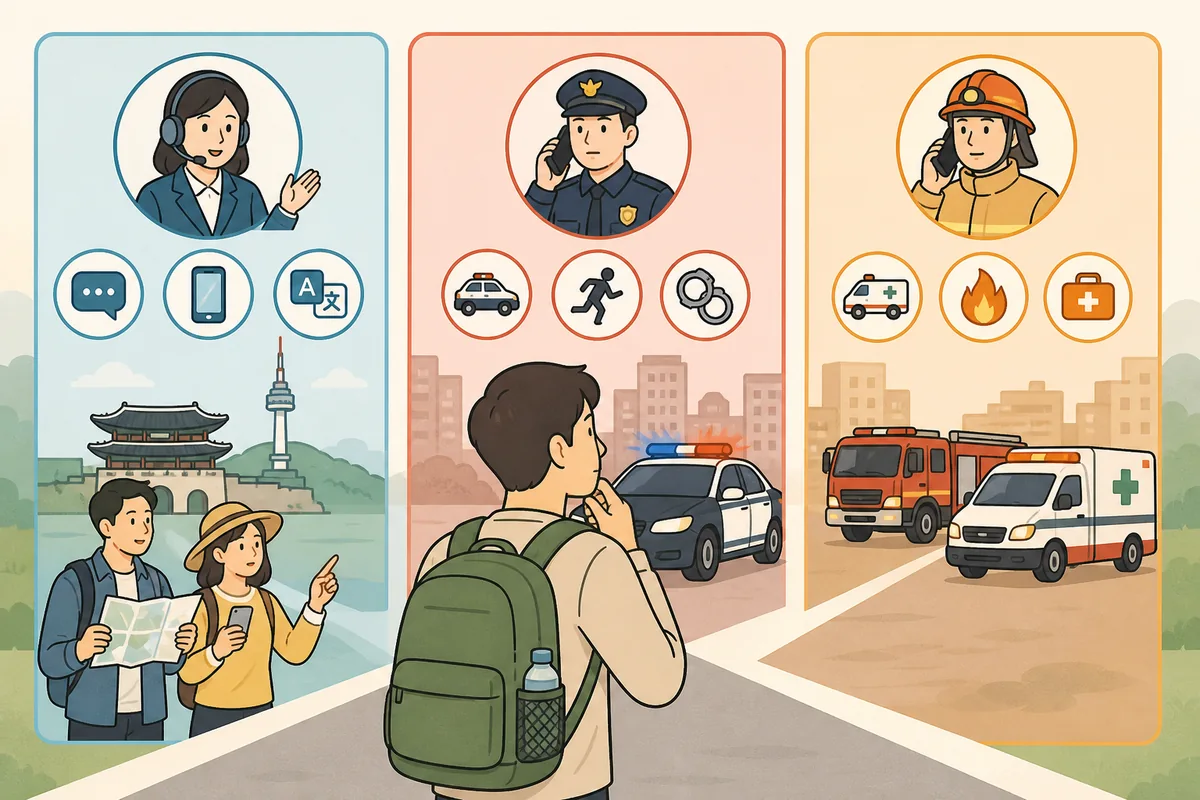
This is the one distinction worth memorizing before anything else.
| Number | What it is for | When to use it |
|---|---|---|
| 1330 | Travel info, interpretation, tourist complaints | Language barrier, service problem, travel question |
| 112 | Police | Crime, theft, assault, threat to safety |
| 119 | Fire and ambulance | Medical emergency, fire, rescue |
If someone is hurt, unconscious, or in immediate danger, call 119. If a crime is happening or just happened, call 112. Both 112 and 119 have English support available, though the level of fluency varies by dispatcher. Give your location first, then the situation.
1330 is not staffed to dispatch emergency responders. Calling 1330 in a genuine emergency wastes time that matters.
What to Prepare Before You Contact 1330
For a travel question or route inquiry, you just need to know what you are asking. But for interpretation help or a complaint, a little preparation makes the call go faster.
- Your current location — a street address, nearby landmark, or the name of the building you are in
- The name of the business or venue involved, if relevant
- A brief description of the problem or what you need help communicating
- Your preferred language
- For complaints: the date, time, and what specifically happened
You do not need to speak Korean. The operator will ask you to confirm your language at the start of the call.
Common Mistakes Travelers Make
Calling 1330 for a medical emergency. This is the most consequential mistake. If someone needs an ambulance, call 119 directly. 1330 cannot dispatch help.
Not knowing their location. The most common slowdown in any helpline call is not being able to say where you are. Check your map app before you call, or look for a building address posted near the entrance.
Waiting until they are back home to report a problem. Complaints are more useful when details are fresh. If something went wrong, call or submit the report before you leave Korea if possible.
Assuming 1330 can only help with big problems. It is just as useful for small, practical questions — which subway exit to use, whether a site is open on a holiday, how to read a sign. There is no minimum problem size.
Not using the interpretation service during a live situation. Many visitors try to manage a language barrier on their own and only think of 1330 afterward. If you are stuck at a counter right now, calling 1330 and handing your phone to the staff member is a normal and accepted thing to do in Korea.
What can 1330 help with in Korea?
Travel information, directions, attraction details, transportation questions, real-time interpretation support, and tourist complaint or inconvenience reports. It covers a wide range of practical visitor needs but is not an emergency dispatch service.
Can 1330 translate for me in a real situation?
Yes. The most practical use is a live three-way call: you call 1330, an interpreter joins, and they relay the conversation between you and a Korean speaker in real time. This works at shops, accommodation, clinics for front-desk communication, and most tourist venues.
Is 1330 available by chat or only by phone?
Both. Phone is available 24 hours and is best for real-time situations. Chat and online contact are available through the Korea Tourism Organization’s official 1330 platform and work better for non-urgent questions or written complaint submissions. Check the official platform for current chat hours.
When should I use 1330 instead of 112 or 119?
Use 1330 when there is no immediate danger — for travel questions, language help, or service complaints. Use 112 for police (crime, theft, safety threat) and 119 for fire or medical emergencies. If you are unsure whether something is an emergency, call 112 or 119 first.
Can I report a tourist complaint through 1330?
Yes. 1330 accepts inconvenience and complaint reports about tourist businesses, overcharging, poor service, and similar issues. An operator will take your report and route it to the relevant authority. Note that 1330 cannot process refunds or act as a police report — those require separate steps.
Note: This guide is for travel navigation in Korea. It is not medical, legal, or emergency professional advice. For urgent situations, contact local emergency services, official staff, or your embassy/consulate as appropriate.

Related Korea Guides
Sources & Verification
- 1330 Travel Helpline & Complaint Center- VISITKOREA — Korea Tourism Organization
Last checked: August 14, 2026