The hangang river festival fall 2026 runs from October 17 to 25, 2026 — nine days, separate from the summer festival entirely. The main venues are Yeouido, Banpo, and Ttukseom Hangang Parks. Most of the festival is free to enter, but select programs require advance reservation. If you only have one afternoon, head to Yeouido or Banpo for the widest mix of performances, food, and riverside atmosphere.
The hangang river festival fall 2026 runs from October 17 to 25, and it is a completely separate autumn event from the summer festival. If you want the parts that are actually worth visiting, focus on the main Hangang Park venues, the limited-entry programs that fill up fast, and the activities that are easy to join without Korean. This guide covers only the autumn edition — what to expect, where to go, and how to decide if it fits your Seoul itinerary.
What Makes the Autumn Festival Different from Summer
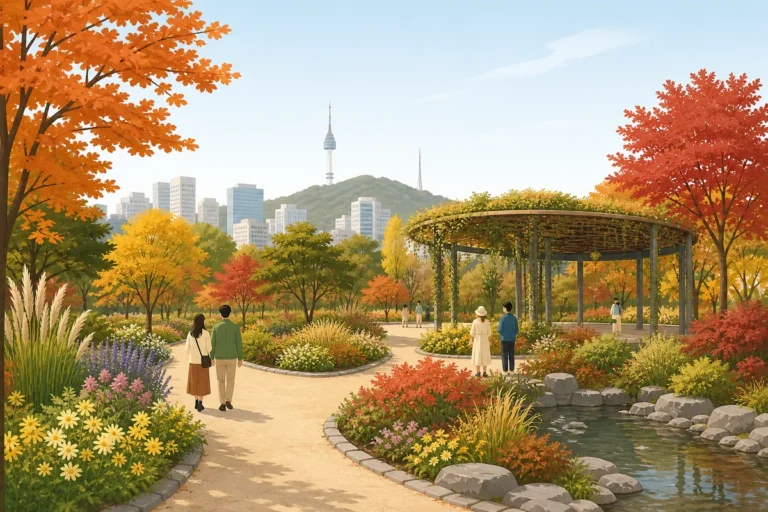
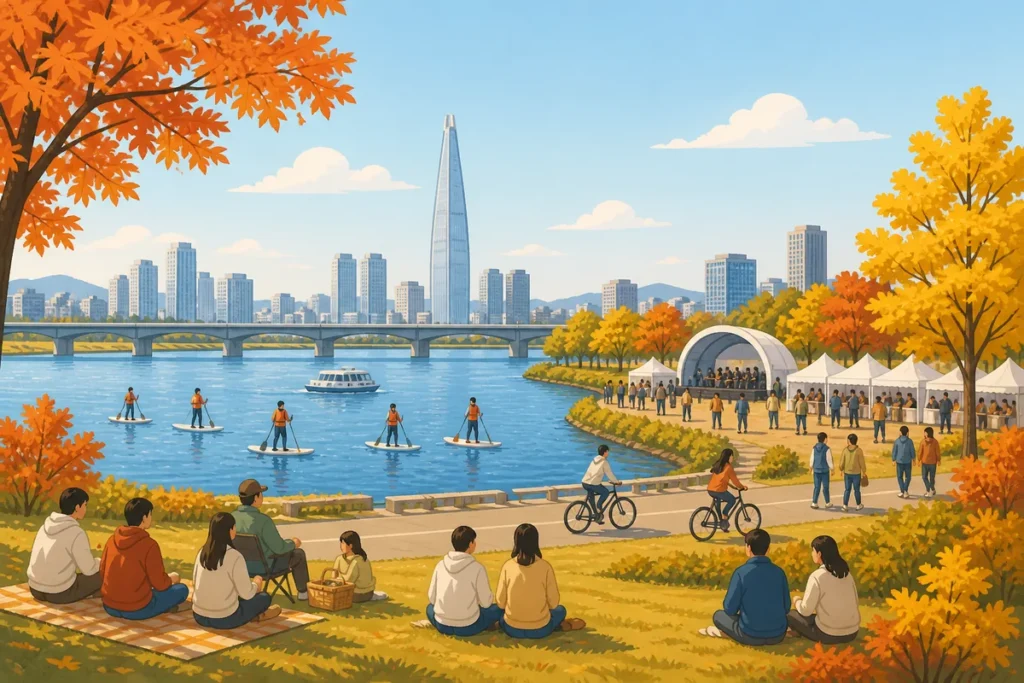
The summer Hangang Festival gets most of the international attention, but the autumn edition has a distinct character. October temperatures on the riverbank sit between roughly 10°C and 20°C, so the outdoor atmosphere is more comfortable for long visits. The crowds are real but not the same wall-to-wall density as peak summer nights.
Programs in autumn tend to lean toward cultural performances, night-view events, and seasonal food markets rather than water sports. That shift matters for planning: you are coming for the ambiance and programming, not for swimming or paddleboats.
One common visitor misunderstanding is treating the two festivals as interchangeable. They share the same parks but different dates, different program lineups, and different reservation systems. Anything you read about the summer festival’s specific events does not apply here.
Main Venues and Which Ones Are Worth Your Time
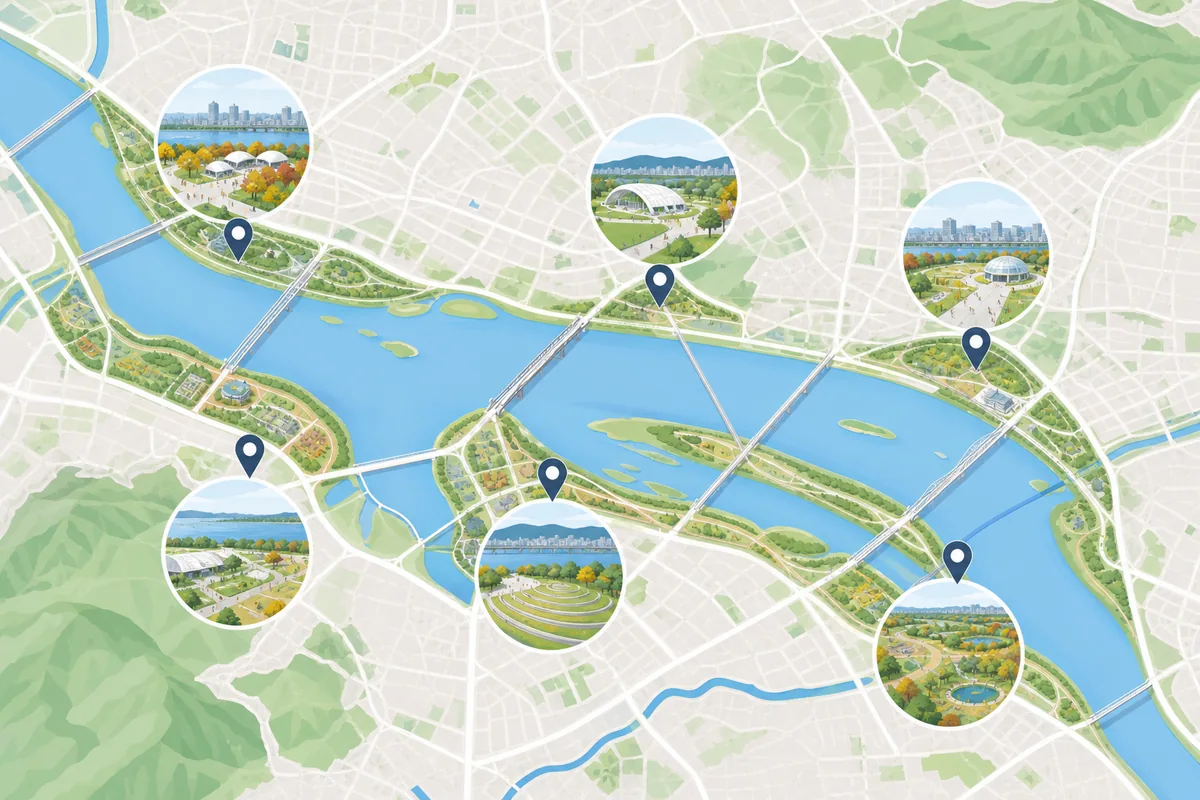
The Seoul Metropolitan Government organizes the Hangang River Festival across multiple Hangang Parks, but not every park runs the same level of programming. For a first-time visitor with limited time, three parks carry the most content.
Yeouido Hangang Park
Yeouido is the festival’s anchor venue. It hosts the largest stage for performances, the main food market area, and typically the highest concentration of organized programs. The park is also the easiest to reach by subway, which matters when you factor in evening crowds heading home. Night-view events and any headline performances are almost always scheduled here first.
Banpo Hangang Park
Banpo is known for the Banpo Bridge Rainbow Fountain, and during the festival the fountain schedule often extends or adds special evening shows. The riverside lawn area at Banpo also tends to host smaller cultural programs and pop-up food stalls. It is a good choice if Yeouido feels too crowded or if you want a slightly quieter festival experience with the fountain as a backdrop.
Ttukseom Hangang Park
Ttukseom is popular with locals for its café culture and open green space. During the festival it usually carries outdoor activity programs and some evening events, though the scale is smaller than Yeouido. Worth visiting if you are already in the Hongdae or Seongsu area and want to combine the festival with a neighborhood walk.
Other Parks
Parks like Mangwon, Gwangnaru, and Yanghwa participate in the festival in limited ways — usually a small market or a single program day. Unless you have a specific reason to visit them, they are not worth a dedicated trip during a short Seoul stay.
Programs Worth Your Time
Performances and Cultural Events
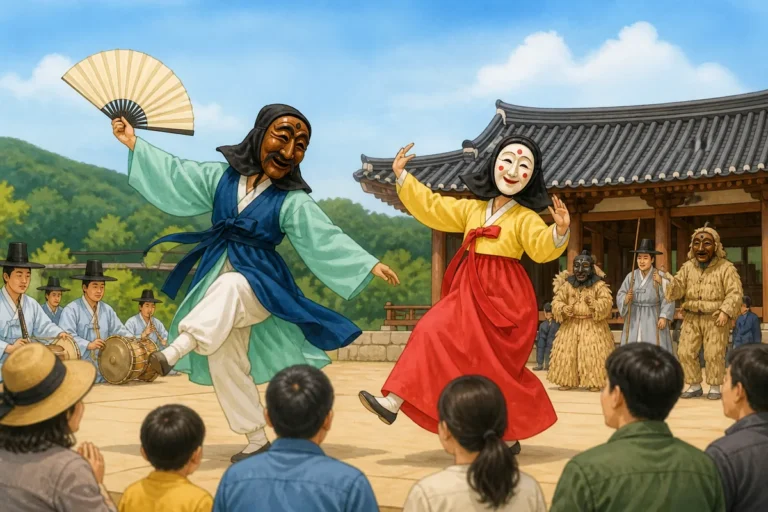
The main stage at Yeouido typically runs evening performances across multiple nights of the festival. These range from Korean traditional music and dance to contemporary pop acts. Most performances are free to watch from the open lawn area, though front sections near the stage sometimes have reserved seating that requires prior registration.
Check the official Seoul Metropolitan Government Hangang Park website closer to October for the confirmed performance schedule, because lineups are announced in stages and the full program is usually not public until a few weeks before the festival opens.
Night-View and Lighting Events
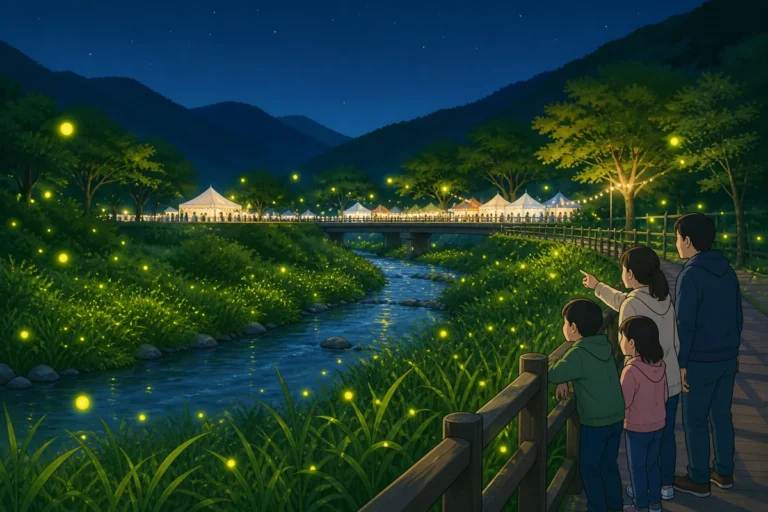
Autumn evenings on the Han River are genuinely good for this. Some years the festival includes lantern events or illuminated riverside installations. These are typically walk-in, no reservation needed, and they photograph well after 7 PM when the city lights across the river come up. Banpo Bridge fountain shows run on a set schedule — the Seoul Metropolitan Government Hangang Park operations page lists current fountain times.
Outdoor Activities
Bicycle rentals operate at most major parks year-round, and during the festival some parks add guided cycling routes or special rental promotions. Kayaking and other water activities are less common in October than in summer, but check the official program — some years they continue into early autumn.
Yoga sessions, group stretching classes, and outdoor fitness programs sometimes appear in the festival schedule as free participation events. These tend to happen in morning or early afternoon slots and are easy to join by simply showing up.
Food Markets and Local Vendors
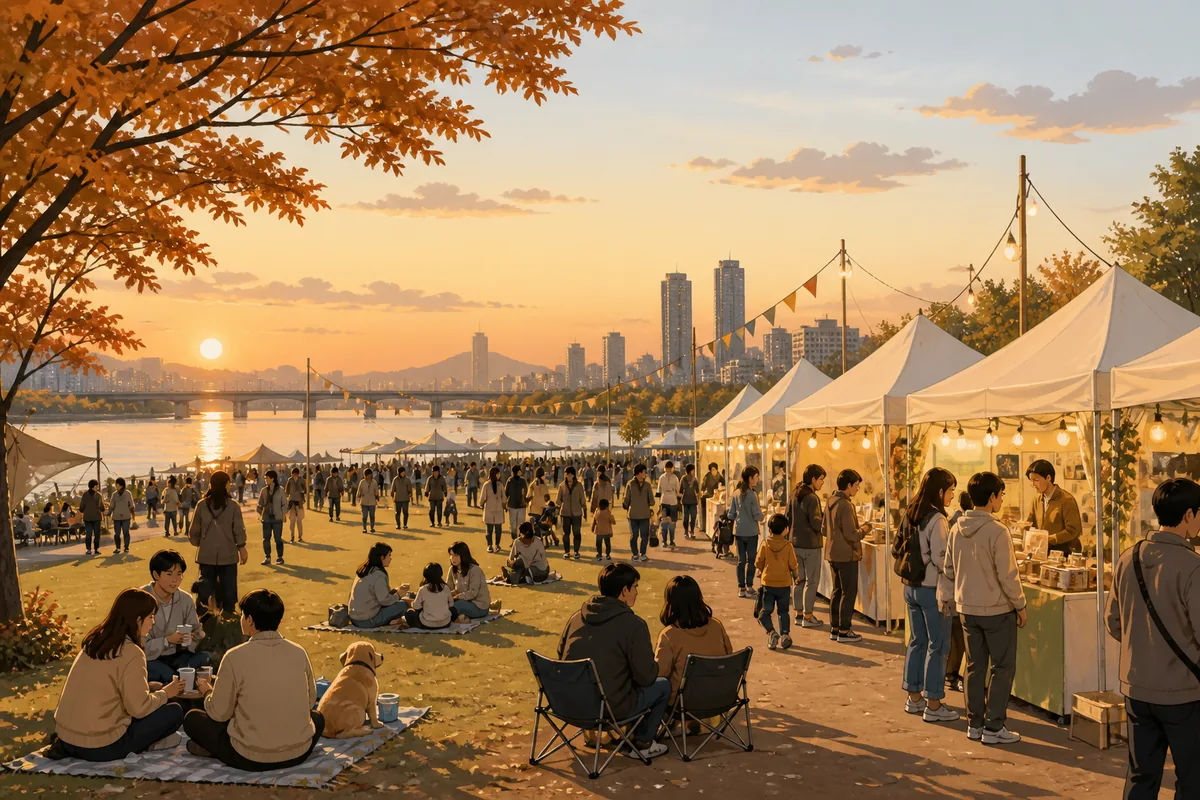
The food market area at Yeouido is one of the most accessible parts of the festival for foreign visitors. Vendors sell Korean street food — tteokbokki, hotteok, grilled skewers, seasonal items — alongside some international options. No reservation, no Korean required. Point, pay, eat.
Some vendor stalls accept card payment, but cash is more reliable at market-style setups. Bring some won in small denominations.
How to Join: Free Entry, Reservations, and Walk-In Programs
The festival grounds themselves are free to enter. Hangang Parks are public spaces, and walking in costs nothing. The distinction that matters is between the general festival atmosphere — which is always walk-in — and specific programs that cap attendance.
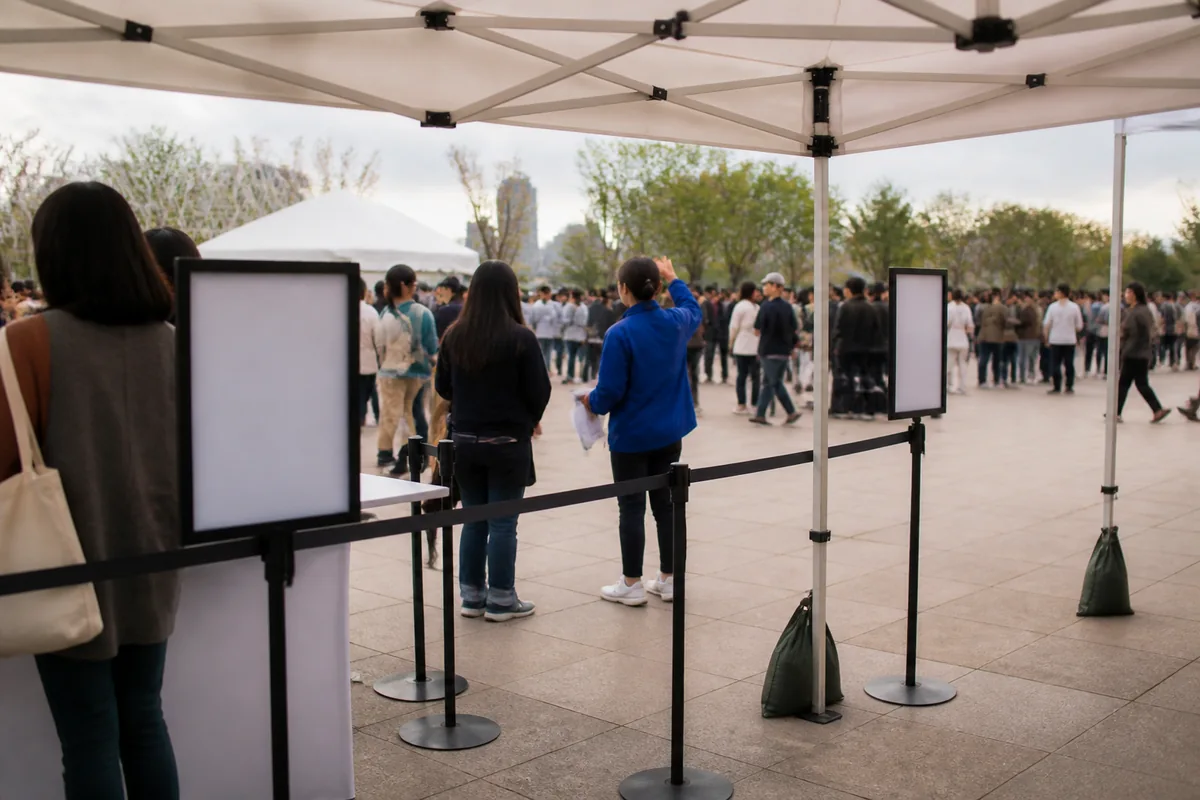
Programs with limited capacity, such as hands-on workshops, some cultural performances with seating, and guided tours, require advance reservation. These open on the official Seoul Metropolitan Government Hangang Park reservation system, usually one to two weeks before the festival. Slots go quickly for popular programs, especially anything involving food, craft-making, or seated evening shows.
Walk-in programs — open stages, food markets, outdoor fitness, and general riverside activities — need nothing from you except showing up. These make up the majority of what is available during the festival.
- Check the official Seoul Metropolitan Government Hangang Park website for the confirmed 2026 autumn program schedule (usually released 2–3 weeks before October 17)
- Look for any reservation-required programs and register early if you want them
- Bring a small amount of cash (Korean won) for food vendors
- Download Naver Maps or Kakao Maps for real-time navigation to the park entrance
- Check the Banpo Bridge fountain schedule if you plan to visit Banpo in the evening
- Layer your clothing — October riverside evenings drop to around 10°C after dark
What to Skip If You Only Have One Afternoon
Skip the smaller parks unless you are already nearby. Mangwon, Gwangnaru, and Yanghwa are fine parks, but during the festival they do not offer enough programming to justify a separate trip from central Seoul.
Daytime hours on weekdays are quiet. If you arrive at Yeouido on a Tuesday afternoon expecting a full festival atmosphere, you will find some stalls and installations but not the energy of a weekend evening. The festival peaks on Friday and Saturday nights.
Any program that requires Korean-language registration and has no English interface is probably not worth the effort unless you have a Korean-speaking friend to help. Focus on the walk-in events and open performances — they are the most accessible and often the most enjoyable anyway.
One afternoon done well: arrive at Yeouido around 5 PM, walk the market area, catch the evening performance, then take a riverside walk toward Banpo to see the fountain show. That covers the best of both parks without rushing.
Getting There
Yeouido Hangang Park
Take Seoul Subway Line 5 to Yeouinaru Station (여의나루역), Exit 2 or 3. The park entrance is a short walk from either exit. During festival evenings, the station gets crowded after performances end — expect a wait on the platform.
Banpo Hangang Park
Seoul Subway Line 9 to Express Bus Terminal Station (고속터미널역), then a 10–15 minute walk to the riverside. Alternatively, Line 3 or 7 to the same station. The walk from the station to the Banpo Bridge area is straightforward but not signposted in English at every turn — use Naver Maps.
Ttukseom Hangang Park
Seoul Subway Line 7 to Ttukseom Resort Station (뚝섬유원지역), Exit 2. The park is directly accessible from the exit.
Buses run along the riverside roads and connect the parks, but subway is faster and easier to navigate for visitors unfamiliar with Seoul bus routes. The Han River Bike Path connects all three parks if you rent a bicycle — Yeouido to Banpo is about 4 km, Banpo to Ttukseom is roughly 8 km.
Weather, Crowds, and What to Bring
October in Seoul is genuinely pleasant but variable. Daytime highs around 18–20°C are common in mid-October, but evenings drop fast once the sun sets. On the riverbank, wind adds to that chill. A light jacket is not optional — it is the one thing visitors consistently wish they had brought.
Weekend evenings, especially October 17–18 (opening weekend) and October 24–25 (closing weekend), draw the largest crowds. If you dislike crowded spaces, a weekday evening from Tuesday to Thursday gives you the same programs with noticeably fewer people.
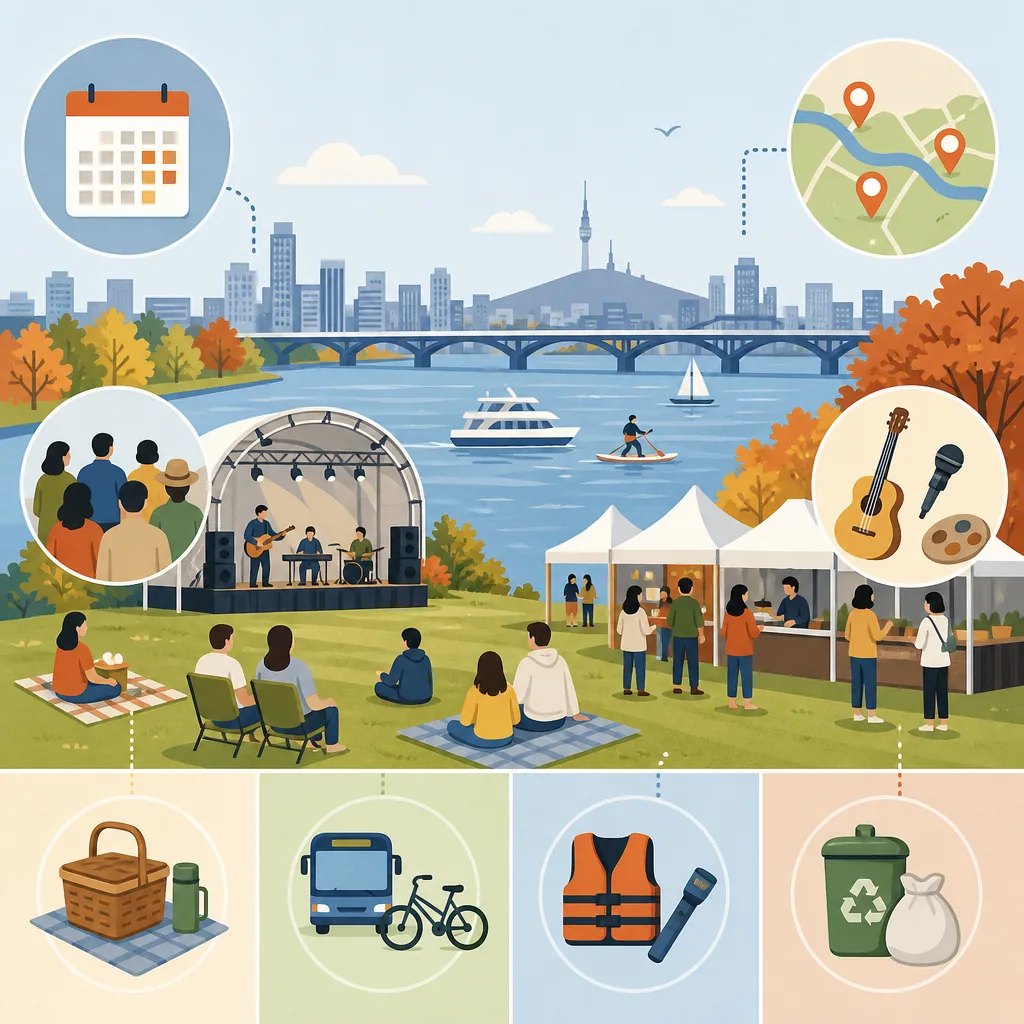
Bring: a portable charger (long evening, lots of photos), a small backpack, and an IC card (T-money or Cashbee) loaded with enough for subway rides. Restrooms are available throughout Hangang Parks and are generally clean and well-maintained.
Korean Phrases for the Festival
Korean Context: Official Information and Reservations
The Seoul Metropolitan Government manages all Hangang Parks and publishes the official festival program through its Hangang Park website and the Seoul official city portal. Program schedules, reservation links, and fountain show times are all listed there. The site has a partial English interface, though some reservation pages are Korean-only.
For reservation-based programs, the Seoul Metropolitan Government Hangang Park reservation system is the only official booking channel. Third-party sites sometimes list Hangang Festival activities, but they are not official and may not reflect accurate availability or cancellation policies.
If you arrive at the park and cannot find a specific event location, the festival information booths staffed at main venues during the event period can help — show the Korean phrase card above or the program name in Korean on your phone.
When is the Hangang River Festival Fall 2026?
October 17 to 25, 2026. Nine days, running across the main Hangang Park venues in Seoul. This is the autumn edition only — the summer festival runs on a completely separate schedule earlier in the year.
Which Hangang Park locations are best for visitors?
Yeouido Hangang Park is the main venue and the best starting point — it has the largest stage, the main food market, and the most programming. Banpo is worth adding for the Rainbow Fountain evening shows. Ttukseom works well if you are already in the eastern part of the city.
Do I need a reservation for festival programs?
For most of the festival — open performances, food markets, outdoor activities, and general riverside access — no reservation is needed. Specific limited-capacity programs such as workshops, craft sessions, or seated shows require advance registration through the Seoul Metropolitan Government Hangang Park reservation system. These fill up quickly, so check as soon as the program schedule is released.
Is the autumn Hangang Festival free to enter?
Yes, the festival grounds and Hangang Parks are free to enter. Individual programs that are reservation-based are also typically free — the reservation exists to manage capacity, not to charge admission. Some vendor food and merchandise purchases cost money, but participation in the festival itself does not.
Which programs are worth going to if I only have one day?
Arrive at Yeouido around 5 PM on a Friday or Saturday. Walk the food market area, watch the evening performance on the main stage, then head to Banpo for the Rainbow Fountain show. That covers the best of the festival in one evening without needing any reservations. If you have a morning free, check whether any walk-in outdoor activity programs are scheduled — yoga sessions and guided cycling routes sometimes run on weekend mornings.
Is the autumn festival the same as the summer Hangang Festival?
No. They share the same parks but are separate events with different dates, different programs, and different reservation systems. The summer festival focuses more on water activities and runs earlier in the year. The autumn festival is cooler, more performance-oriented, and has a distinct food and cultural program lineup.
Note: This guide is for travel navigation in Korea. It is not medical, legal, or emergency professional advice. For urgent situations, contact local emergency services, official staff, or your embassy/consulate as appropriate.