Muju firefly festival 2026 runs from September 4 to 12, 2026, in Muju-gun, North Jeolla Province (전북 무주군). The main venue is the Namdaecheon Stream area and the Muju town center, with some programs also using Gucheondong Valley. Some firefly observation programs require advance reservation and a paid ticket, while daytime programs are free. Muju has no train station, so the easiest public transport is intercity bus; from Seoul, the trip is usually about 2.5 to 3 hours. Staying overnight is the practical choice if you want the evening firefly programs.
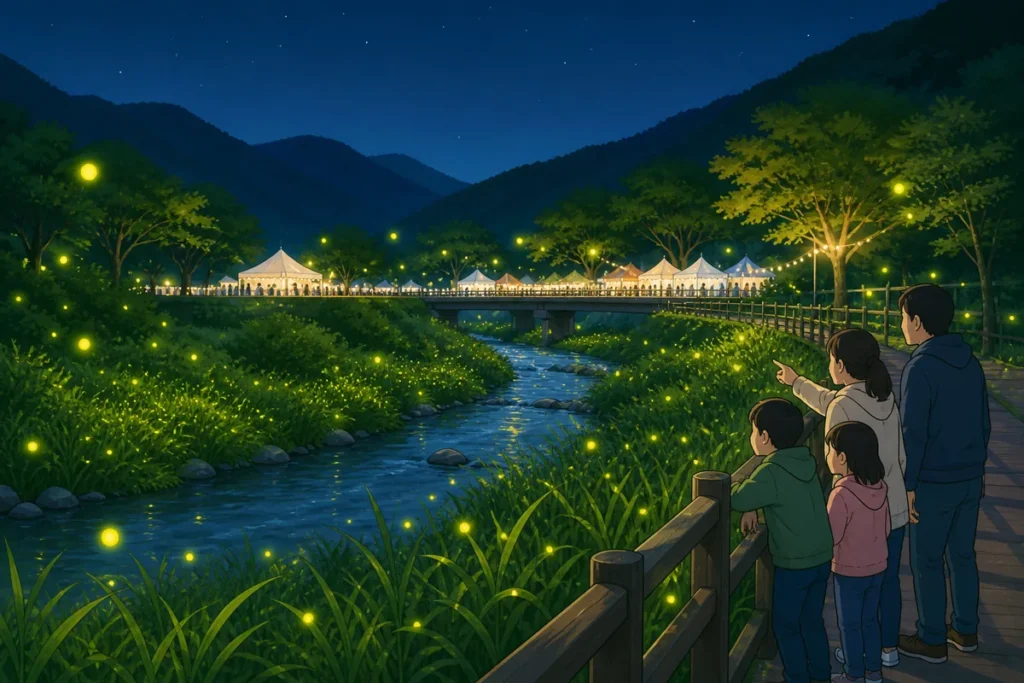
Muju firefly festival is a destination trip. The town is small, the buses run on fixed schedules, and the main firefly programs happen after dark, so transport, lodging, and reservations should be settled before you leave your hotel.
When This Guide Helps
This guide is for visitors who want to attend the festival in person and need the practical details first: when it runs, where it is, which parts cost money, whether reservations are needed, and how to get there without wasting a day on guesswork.
What to Do First
Check the official 2026 program page, then reserve the evening firefly observation if booking is open. After that, buy your intercity bus seat and lock in lodging in Muju town center or near the festival area. The order matters because the best evening slots and the easiest rooms go first.
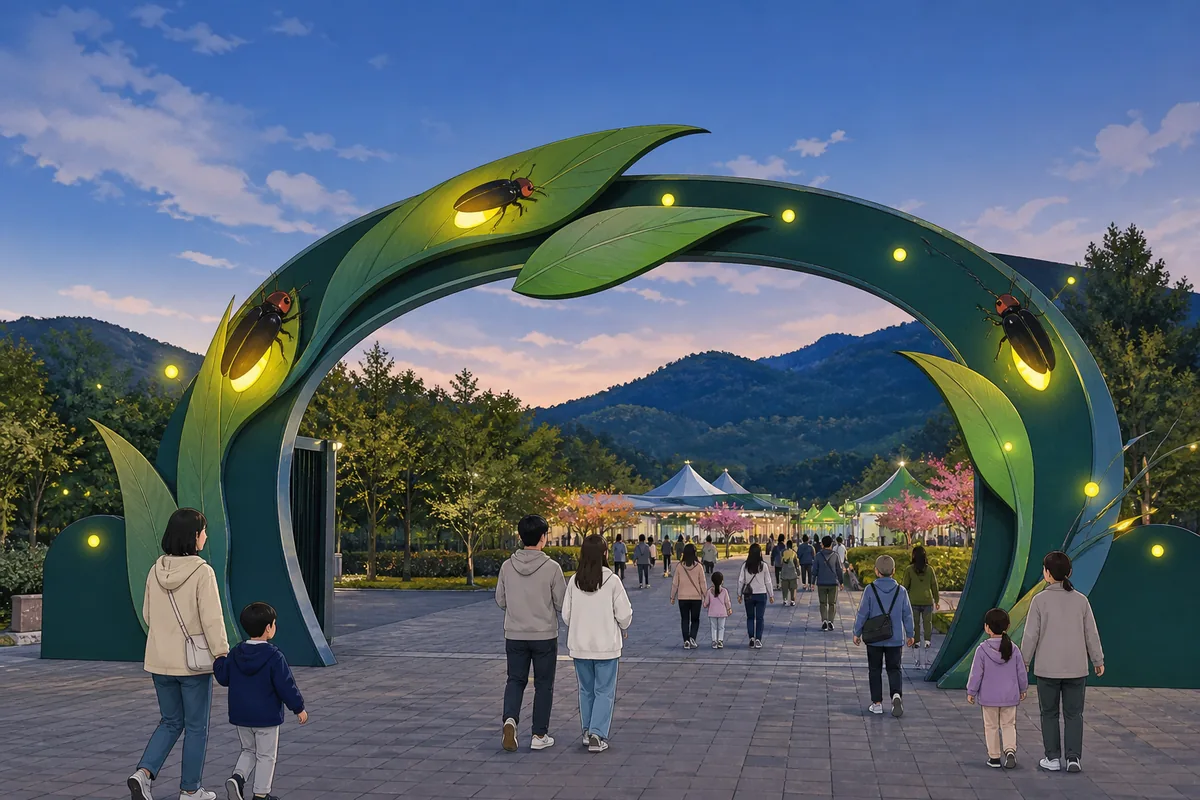
2026 Dates, Venue, and Why Muju Works Differently
The festival runs from September 4 to 12, 2026. The main activity area is centered on Namdaecheon Stream and Muju town, with some nature programs extending to Gucheondong Valley in the Deogyusan area. That means the festival is not a single compact street venue; parts of it are spread out, and some evening routes are much easier if you have shuttle access or your own transport.
Muju is not a city festival where you can wander in and out at any hour. The appeal is the natural setting, the darker river area, and the guided firefly programs. Expect a quieter event than Seoul or Busan festivals, but plan more carefully because the location is rural.
Firefly Programs: What Actually Happens
The festival is usually split between evening firefly observation programs and daytime cultural or family activities. The firefly walks are the main draw. They are guided, small-group programs near the river or valley, which is why reservations matter.
Evening Firefly Observation
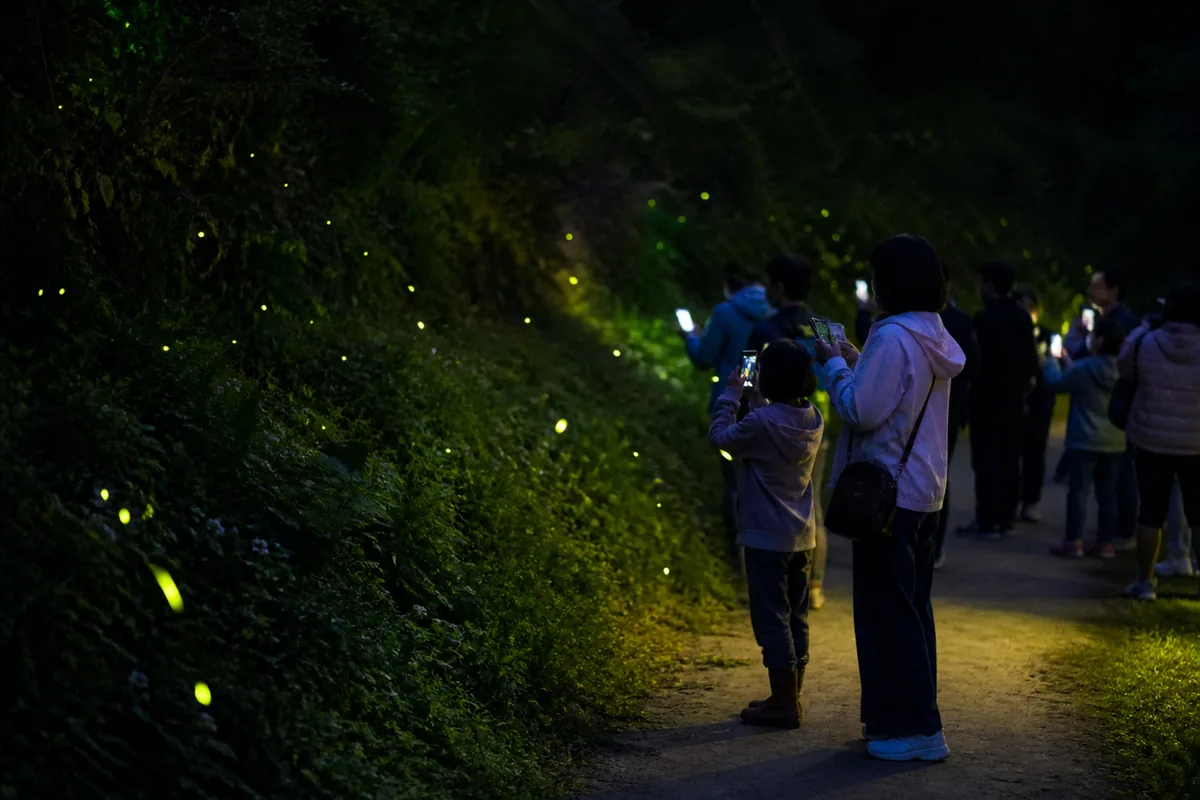
This is the core experience. Visitors walk through darker natural areas where wild fireflies appear near water and vegetation. These routes are controlled to protect the environment, so groups are limited.
For 2026, the exact ticket price and reservation system should be checked on the official festival site when booking opens. In previous years, evening programs have been paid and often sold out before the festival started. Walk-in entry is not something to count on for these routes.
Daytime and Free Programs
Free areas and activities usually include ecology exhibitions, stage performances, hands-on nature programs, food stalls, and outdoor photo spots. These are easy to enjoy without advance booking, but they are not the same as the nighttime firefly walk. If the firefly experience is your main reason for going, the paid evening program is the one to secure first.
Free vs Paid: The Simple Version
| Program Type | Cost | Reservation Needed | Best Time |
|---|---|---|---|
| Evening firefly observation walk | Paid | Yes | After dark |
| Gucheondong Valley route | Paid | Yes | After dark |
| Daytime exhibitions and performances | Free | No | Daytime |
| Food stalls and open festival area | Free entry | No | All day |
The key difference is simple: free programs let you enter the festival atmosphere, but the paid programs are the ones that put you on the actual firefly route.
How to Get to Muju
Muju has no KTX station and no direct train service, so intercity bus is the main public-transport option.
From Seoul
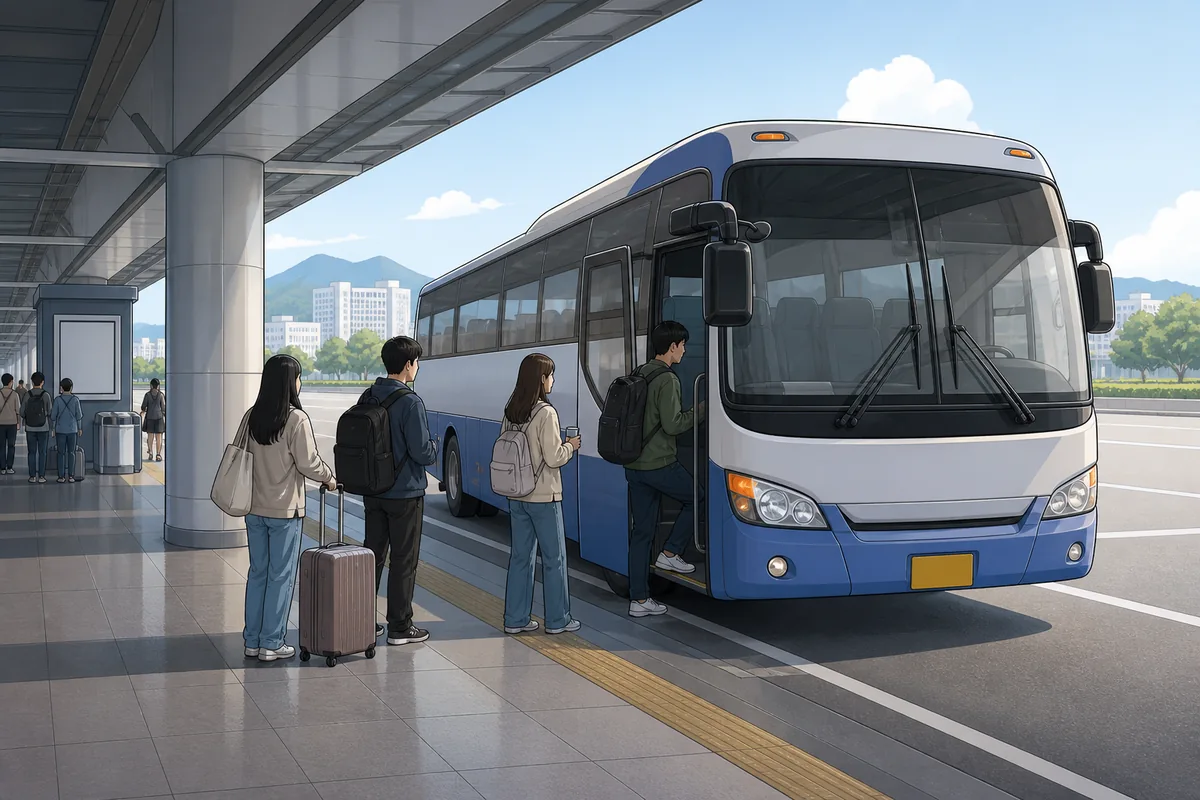
Use Seoul Nambu Bus Terminal and travel to Muju Bus Terminal. The trip is usually about 2.5 to 3 hours depending on traffic. During festival season, the Friday evening and Saturday morning departures are the first to fill, so booking ahead is the safe choice.
From Daejeon
Daejeon works well as a transfer point if you are coming by KTX. From there, take an intercity bus to Muju. This is often the easiest route for visitors connecting from other major cities.
From Jeonju or Gwangju
There are regional bus connections from Jeonju, and Gwangju usually requires a transfer. If you are coming from another part of Korea, check the route through the intercity bus system rather than assuming a direct line.
By Car
Driving is useful if you want flexibility for Gucheondong or plan to stay in a countryside pension. Parking around the festival area can get busy on peak days, so arriving early still helps.
Do not assume you can buy a same-day bus ticket on a Friday or Saturday in September. For this festival period, the smart move is to book outbound and return seats as soon as they open.
Where to Stay
Staying in Muju town center is the easiest choice if you want to walk to the main festival area. Guesthouses, motels, and small pensions are the common options. Larger resort-style lodging near Deogyusan is more comfortable but usually books early and can be expensive during festival dates.
If you are not driving, central Muju lodging is the most practical because it reduces late-night transport stress after the firefly program ends. Nearby rural pensions can work well, but they are better if you already have a car or are fine with taxi use.
Book early. Rooms in Muju are limited, and the town does not have the same wide hotel inventory as Seoul or Busan.
Korean Phrases You Can Show
Useful Korean Signs or Words
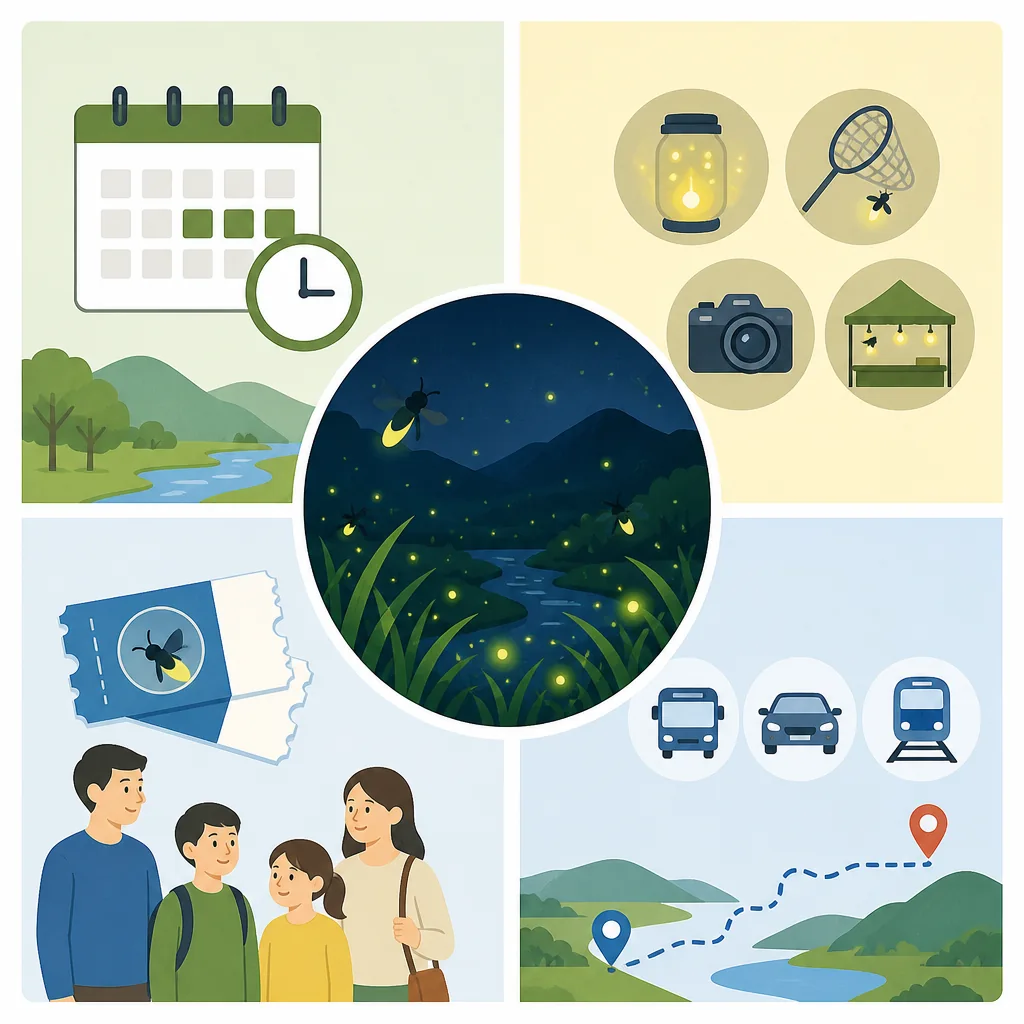
On site, the most useful signs are 무료 for free, 유료 for paid, 예약 for reservation, and 매진 for sold out. If you are looking for the firefly route, the phrase 반딧불이 관찰 is the one to watch for.
Where to Get Help
Use the official festival information desk for program questions, reservation timing, and shuttle details. For transport, check the intercity bus booking platform and the Muju terminal departure board. For lodging, confirm the check-in time and late-arrival policy before you travel, because the last evening program can finish late.
Common Mistakes
Many visitors make the same mistakes: they wait too long to reserve the evening program, assume the festival is all free, book a hotel outside town without a car, or plan a same-day round trip from Seoul and end up rushed. Another common problem is treating Gucheondong as if it were walkable from the main town area. It is not.
Official Resource
Use the official Muju Firefly Festival website for the 2026 schedule, ticket rules, and reservation opening date. For bus tickets, use Korea’s official intercity bus reservation system. For Muju lodging, check the property’s own booking page or a major domestic booking platform.
Related Korea Guides
Useful related topics include intercity bus travel in Korea, KTX plus bus transfers, booking accommodation for peak festival weekends, and what to pack for an outdoor night event in Korea.
Is Muju firefly festival free or ticketed?
Both. The daytime festival areas and many cultural activities are free, while the main evening firefly observation programs are paid and usually need advance reservation.
Do I need to reserve the firefly program in advance?
Yes for the evening observation walks. Those are the programs that sell out first, and walk-in entry is not something to rely on.
How do I get to Muju from Seoul by public transport?
Take an intercity bus from Seoul Nambu Bus Terminal to Muju Bus Terminal. There is no train station in Muju, so the bus is the normal route for visitors.
Where should I stay for the festival?
Muju town center is the easiest choice because you can reach the main festival area without a car. Book early, since rooms are limited during the festival period.
Can I do this as a day trip from Seoul?
Yes, but it is a long and tiring plan because the bus ride is several hours each way and the main firefly programs start after dark. One overnight stay is the more comfortable option.
Note: This guide is for travel navigation in Korea. It is not medical, legal, or emergency professional advice. For urgent situations, contact local emergency services, official staff, or your embassy/consulate as appropriate.