Quick Answer
Seoul Climate Card is changing on September 1, 2026, and the main thing tourists need to know is simple: the existing 30-day prepaid card is being discontinued, but the tourist short-term passes still continue. Climate Card Plus is the new resident-focused product, so most visitors should ignore it and choose a 1-day, 2-day, 3-day, 5-day, or 7-day tourist pass instead.
What to Do First
- Buy the tourist pass duration that matches your trip, not the old 30-day card.
- Do not assume Climate Card Plus is for visitors.
- Check whether your station or kiosk accepts an international card before paying.
- Confirm the card deposit or physical card fee at the point of sale.
- Check route coverage if you plan to use airport buses or other special lines.
- If your trip is light on transit, compare this with T-money before buying.

When This Guide Helps
Seoul Climate Card changes on September 1, 2026, and this guide helps if you are trying to work out what still applies to tourists. The key question is whether visitors can still buy a card after the change, and the answer is yes for the short-term tourist passes.
This is also useful if you are comparing the new resident product with the visitor passes and do not want to buy the wrong one at a station kiosk.
What Changes on September 1, 2026
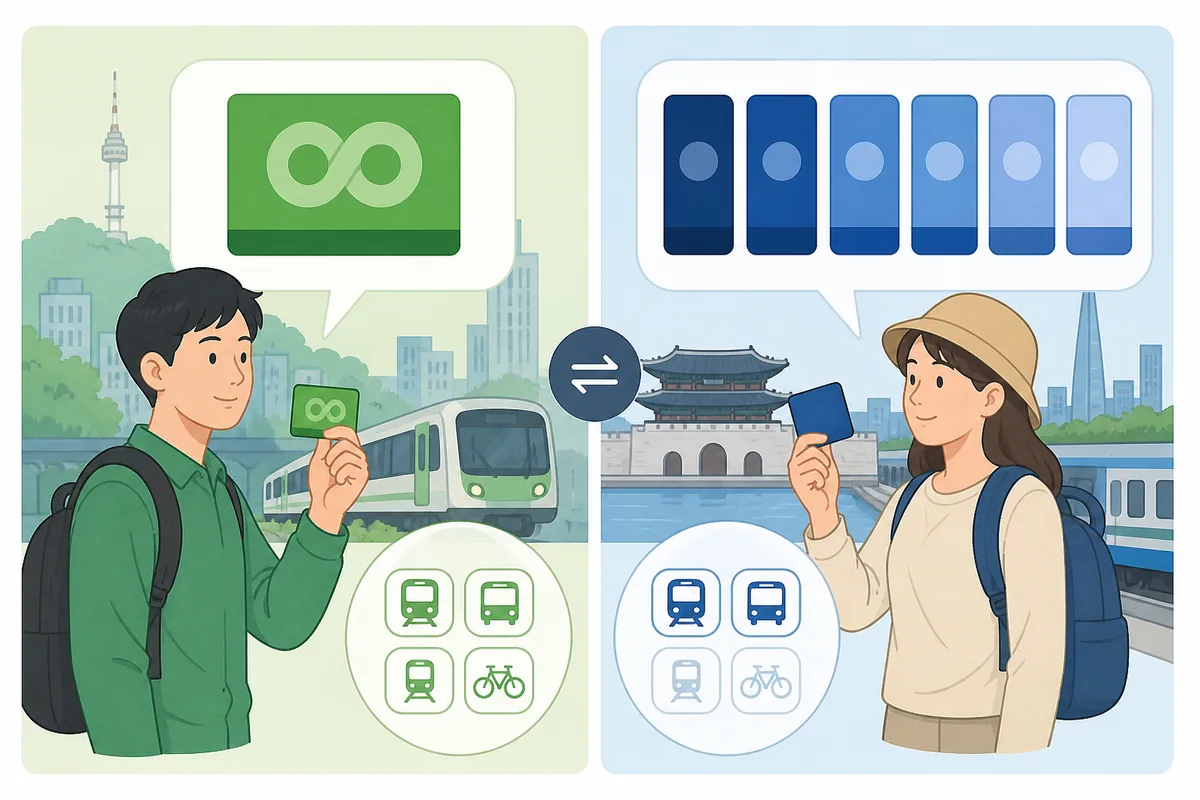
The existing 30-day prepaid Climate Card ends on September 1, 2026. In its place, Seoul is launching Climate Card Plus, which is meant for residents and follows different eligibility rules.
For tourists, the important part is that the day passes continue. The visitor options remain 1-day, 2-day, 3-day, 5-day, and 7-day passes. Those are the cards most travelers should look for.
If you are visiting Seoul for a short trip, Climate Card Plus is not the product to ask for. Ask for the tourist pass by duration instead.
Which Seoul Climate Card Options Tourists Can Still Use
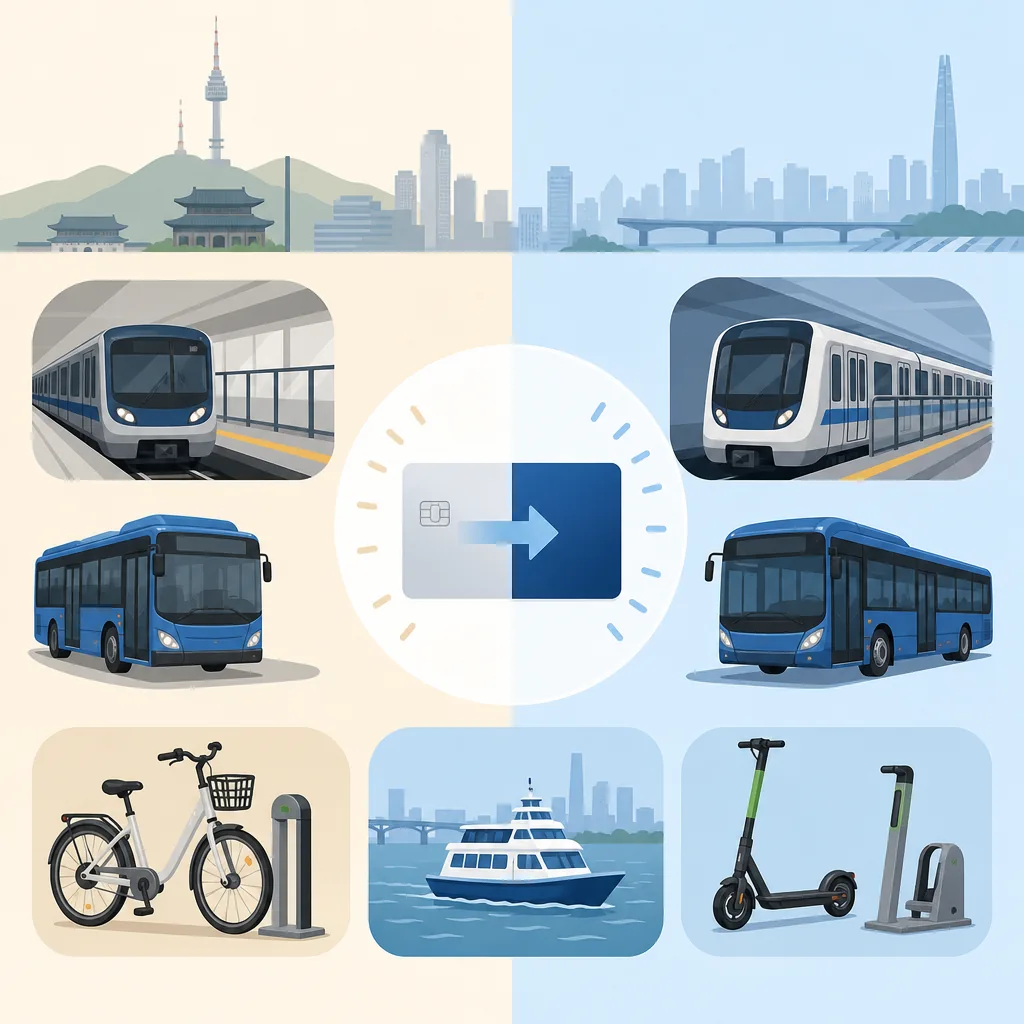
Tourists can still use the short-term Seoul Climate Card passes after the change date. These passes are designed for visitors who want unlimited rides during a set number of days.
The available tourist durations are:
- 1 day
- 2 days
- 3 days
- 5 days
- 7 days
The best choice depends on how many days you will actually ride subway and bus services in Seoul. If you only need a few rides, a pay-as-you-go option may be better.
Climate Card Plus: Who It Is For
Climate Card Plus replaces the old monthly-style card for eligible Seoul residents. That is the part many visitors misunderstand: it is not a new tourist pass with a different name.
If you are on a normal tourist visit, you should expect the resident eligibility rules to exclude you. Long-term foreign residents should check the official sales rules directly before buying.
Payment, Card Cost, and Purchase Points
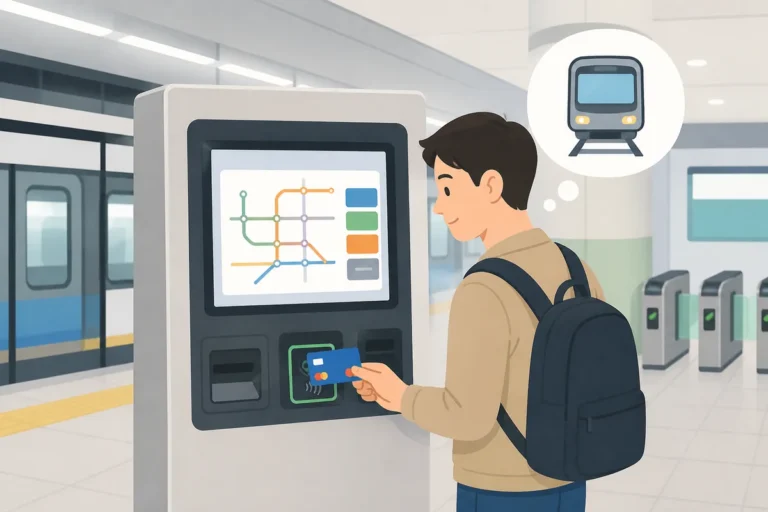
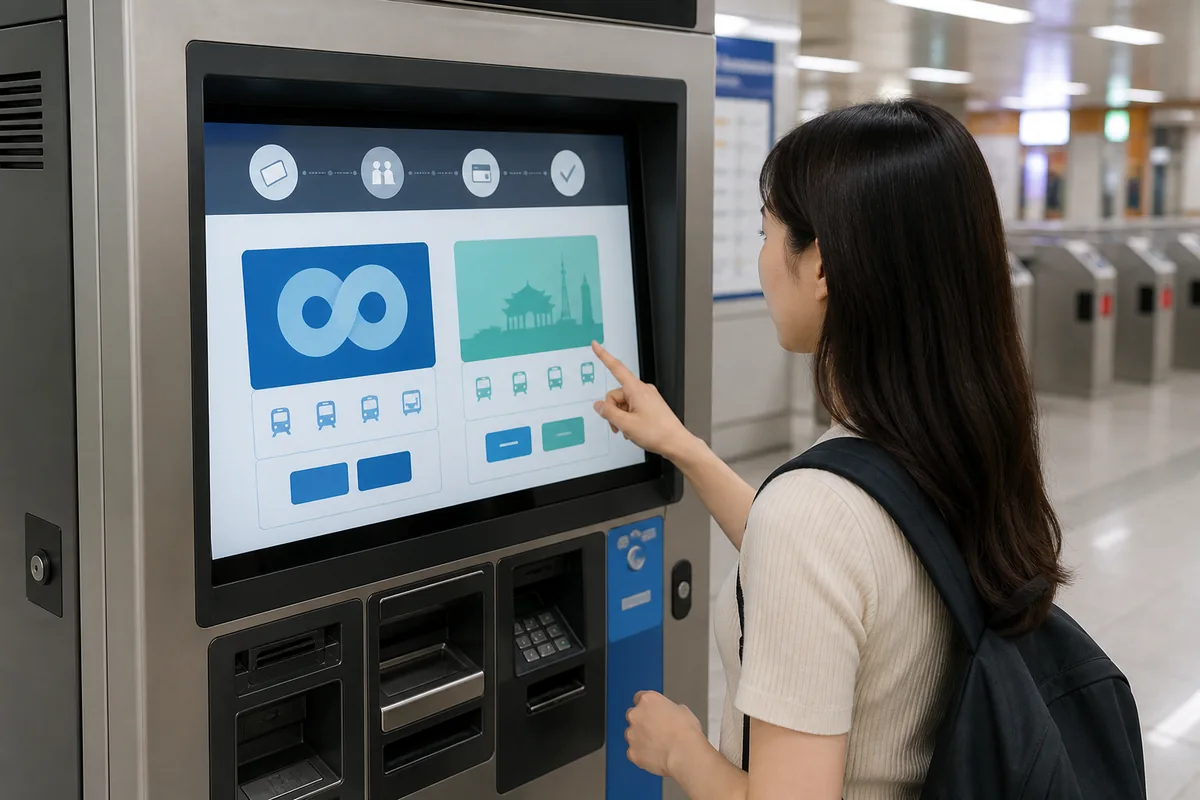
Seoul transit sales points sometimes accept international credit or debit cards, but not every machine does. If you want to pay with a foreign card, check the kiosk screen or ask staff before starting the purchase.
The physical card cost or deposit can also change, so do not rely on older guide prices. Check the current amount at the point of sale, especially at staffed stations or official tourist counters.
Service Area and Excluded Routes
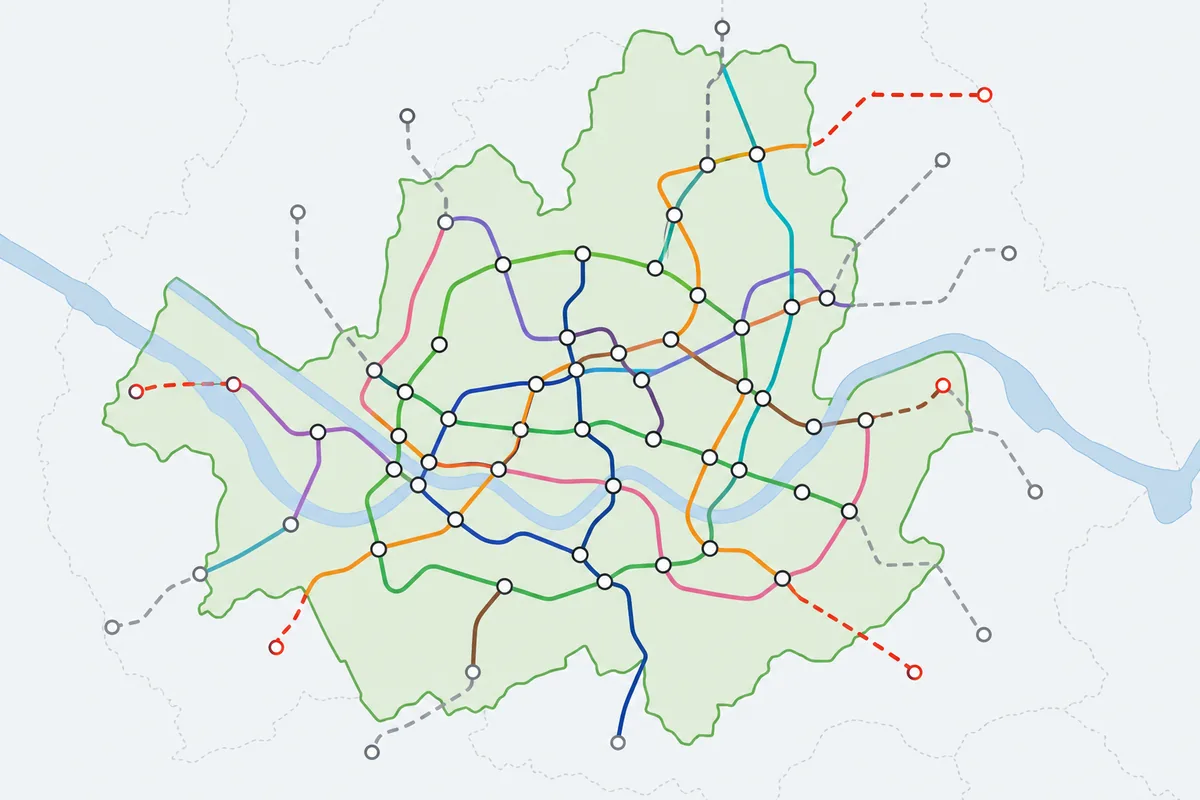
The tourist Seoul Climate Card passes cover most everyday travel inside the Seoul transit network. That usually includes the core subway and city bus routes visitors use most often.
Some routes are excluded, especially airport limousine buses, certain express buses, and a few specialty services. If your plan depends on a specific airport or premium route, verify coverage before you buy.
For many first-time visitors, the easiest rule is this: standard Seoul subway trips are usually fine, but special airport-style buses need a separate check.
Korean Phrases You Can Show
Useful Korean Signs or Words
Where to Get Help
If you are unsure which pass to buy, ask at a staffed Seoul Metro booth or an official tourist information desk. Those are the easiest places to confirm whether the day pass, the resident product, or T-money makes more sense for your trip.
At stations, look for 안내소, which means information desk. Staff can usually point you to the correct machine or counter faster than trying to read every option on the screen yourself.
Common Mistakes
- Buying Climate Card Plus when you meant to buy a tourist pass.
- Expecting the old 30-day prepaid card to still be sold after September 1, 2026.
- Using a tourist pass for an airport limousine bus without checking coverage first.
- Not checking whether the kiosk accepts an international card.
- Forgetting that the physical card fee or deposit is separate from the transit use itself.
Official Resource
For the current rules, eligibility details, and route coverage, check the Seoul Metropolitan Government transit information pages or ask at a staffed Seoul Metro station booth. For airport-related purchase help, use the official Incheon Airport transport information counters.
Climate Card vs T-money
If you will ride transit often over several days, the tourist Climate Card passes are usually the better value. If your trip is short, spread out, or mostly on foot, T-money is easier and more flexible. For a simple general-transit comparison, read the existing Climate Card vs T-money guide before you decide.

FAQ
Can tourists still buy Seoul Climate Card after September 1, 2026?
Yes. The tourist short-term passes continue after September 1, 2026. The discontinued product is the old 30-day prepaid card, not the visitor day passes.
What is Climate Card Plus for in Seoul?
Climate Card Plus is the new resident-focused pass that replaces the old monthly card. It is not the same thing as the tourist short-term passes.
Can I pay for the Climate Card with an international card?
Some sales points accept international cards, but not all do. Check the kiosk or ask staff before you start paying.
Which tourist Climate Card pass should I buy?
Choose 1, 2, 3, 5, or 7 days based on how long you will actually ride transit in Seoul. If you only need a few rides, T-money may be the simpler option.
Note: This guide is for travel navigation in Korea. It is not medical, legal, or emergency professional advice. For urgent situations, contact local emergency services, official staff, or your embassy/consulate as appropriate.