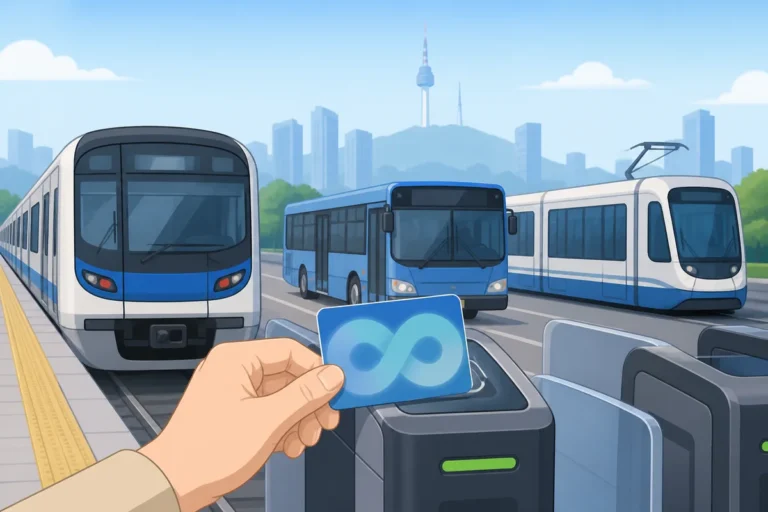
Climate Card T Money Tourists: What You Need to Know
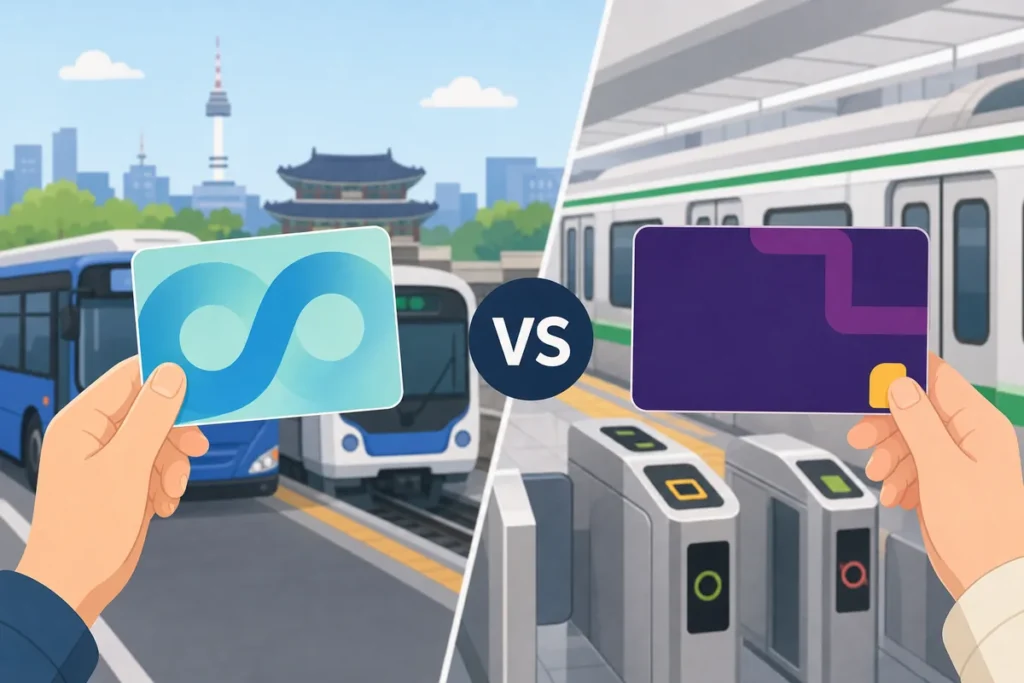
For the climate card vs T-money decision, the practical answer is simple: choose Climate Card if you will ride Seoul subway and city buses heavily for several days and your routes stay within the covered area. Choose T-money if you need airport connections, want pay-per-ride flexibility, or are only in Seoul for a short trip. climate card vs T-money is really a question of how much you will ride and whether the airport leg matters.
What to Do First
- Check your itinerary: heavy Seoul-only riding favors Climate Card.
- Check your airport plan: T-money is the safer choice for airport rail and broader travel.
- Count your daily rides: many subway and bus trips make unlimited rides more useful.
- Buy T-money first if you want the simplest arrival option, then switch later if Climate Card fits better.
- Verify current coverage and card types on official Seoul and T-money sources before you travel.

When This Guide Helps
climate card vs T-money comes up when you want to decide before you arrive in Seoul, not after you are already at the gate. This guide helps if you are booking a hotel, planning subway-heavy sightseeing, or trying to work out whether your airport transfer should be part of the same card you use in the city.
It also helps if you have heard that Climate Card offers unlimited rides but are unsure what that really includes. The useful question is not which card is “better” in general. It is which card matches your trip length, your airport route, and how often you expect to tap in and out.
How the Two Cards Actually Work
T-money: Pay Per Ride, Flexible Everywhere
T-money is the standard rechargeable transit card in Korea. You add money to the card and the fare is deducted each time you tap in or out. For tourists, that usually means fewer decisions: you can use it on subway lines, city buses, and many other transit services, then top it up whenever you need more balance. If you do not want to think about route coverage every time you move around the city, T-money is the easier card.
It is also the more flexible option for mixed itineraries. If you are riding around Seoul one day, taking the airport train another day, and then heading to another city or using a different transport service, T-money keeps things simple because you are paying as you go.
Climate Card: Unlimited Rides on Covered Seoul Routes
The Climate Card is built around unlimited rides during its valid period, but only on covered routes. That makes it attractive for travelers who expect to use Seoul subway and city buses often enough that pay-per-ride costs would add up. The tradeoff is that you need to care about what is included, especially if your trip extends beyond central Seoul.
For tourists, the card makes the most sense when you stay in Seoul, move around the city a lot, and do not need the airport express as part of the same card plan. If your travel pattern is mostly hotel-to-subway-to-attraction and back again, unlimited rides can be useful fast.
The Biggest Difference for Tourists
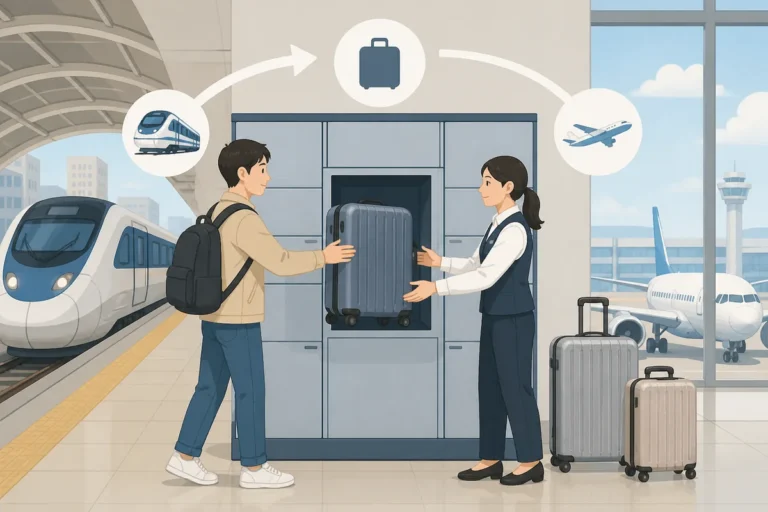
The most important difference in climate card vs T-money is airport use. If you are arriving at Incheon and want a card that can handle the airport connection cleanly, T-money is usually the safer choice. Climate Card is for city travel first, not for every airport transfer option.
That one detail changes the decision for a lot of visitors. A card that looks cheaper on paper is not actually better if you still need another payment method for your first or last ride.
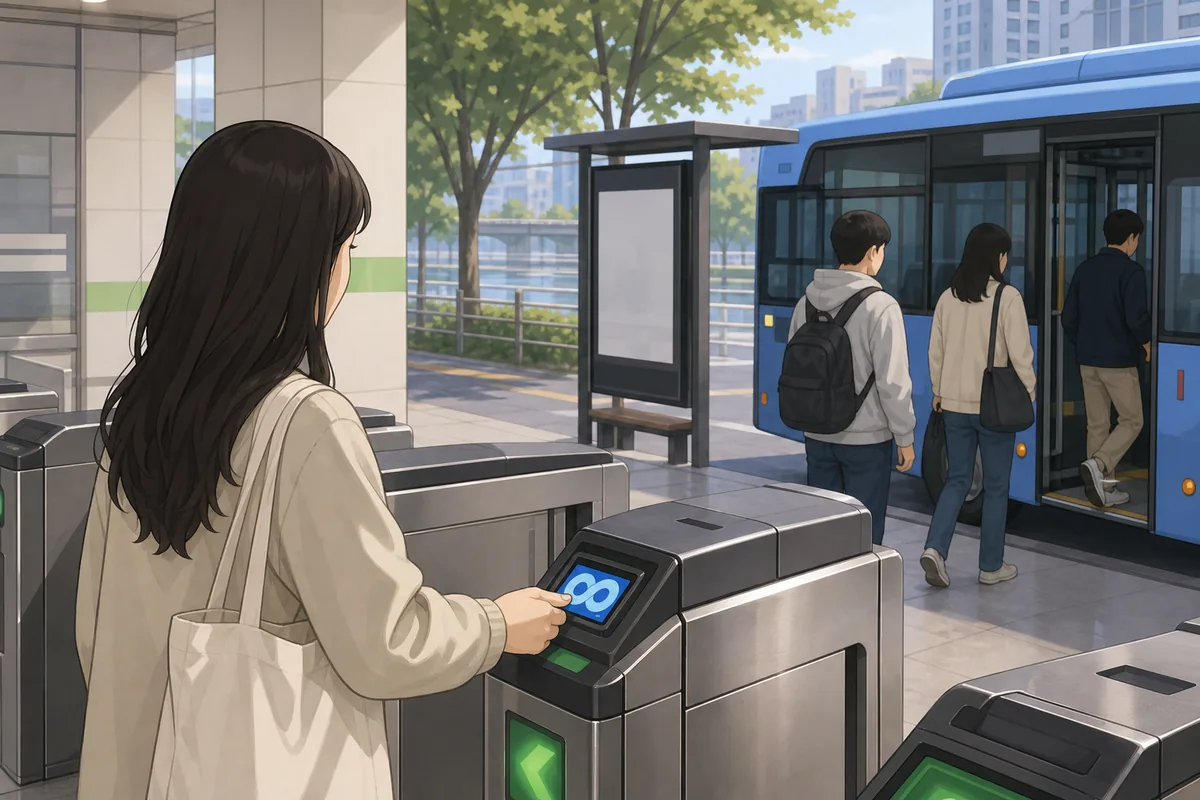
Which Card Fits Your Trip
Choose Climate Card if…
You are staying in Seoul for several days, riding the subway and buses frequently, and your transport stays within the covered area. A city-heavy trip is where unlimited rides become attractive. If you are taking many short rides each day, the flat model can be more convenient than watching your balance drop after every tap.
Climate Card also works well if you like planning one transport budget up front. Once you buy the valid pass, you do not need to keep topping up for every ride inside the covered network.
Choose T-money if…
You are in Seoul for a short trip, need airport transport, or want the broadest and simplest option. T-money is the safer pick for travelers who do not want to think about route eligibility and who prefer to pay only for the rides they actually take.
It is also a better choice if your itinerary includes places outside central Seoul, because pay-per-ride flexibility is easier than trying to fit every journey into a limited coverage pass.
Simple trip examples
- 2 nights in Myeongdong: T-money is usually enough.
- 5 days of heavy Seoul sightseeing: Climate Card is worth checking first.
- Incheon airport arrival plus city rides: T-money is the safest starting card.
- Seoul-only trip with many subway transfers: Climate Card is often the better value.
Eligible Transport: What Usually Matters Most
For tourists, the practical question is not just “subway or bus?” It is which routes are included and whether your daily movement stays inside the card’s covered system. T-money is the broader pay-per-ride option, while Climate Card is the unlimited-pass option for covered Seoul travel.
The airport connection is the usual deal-breaker. If you are planning to use AREX or another airport-linked option, confirm the current official rules before you count on Climate Card. If you want one card that is less likely to surprise you, T-money is the easy answer.

Purchase and Recharge
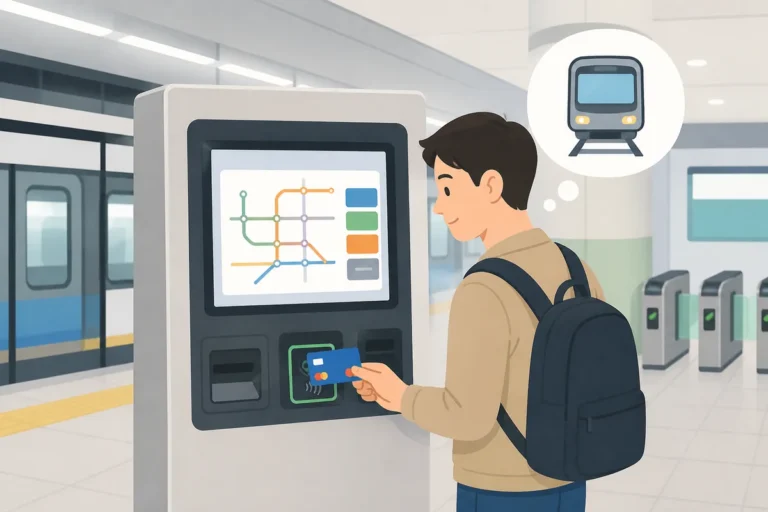
T-money is widely sold and easy to top up at convenience stores, subway stations, and other common transit points. That makes it the most convenient card to buy on arrival. If you land at the airport and want to start moving immediately, T-money is usually the least stressful option.
Climate Card is tied more closely to Seoul’s transit system and is commonly handled through Seoul subway stations and the official app route. That is fine if you are already set up in the city, but it is less convenient if you want a card you can buy anywhere at any time.
If you are deciding before your trip, a good rule is this: buy T-money first for arrival ease, then only switch to Climate Card if your itinerary clearly benefits from unlimited Seoul rides.
Where the Choice Usually Breaks
In climate card vs T-money, the card that feels “better” changes with the length of stay. Short stays, airport arrivals, and mixed-city itineraries usually favor T-money. Longer Seoul-only stays with lots of subway and bus use often favor Climate Card.
If your schedule is uncertain, T-money gives you the most freedom. If your schedule is fixed and city-heavy, Climate Card can be the smarter value.
Check before you buy: current Climate Card coverage, validity options, and airport-route rules can change. Confirm the latest official details if your decision depends on a specific route or fare assumption.
Korean Phrases You Can Show
Useful Korean Signs or Words
Where to Get Help
If you are standing in a station and still unsure, go to the staffed station office first. Staff can tell you whether your route is covered, where to recharge, and whether the card you want is sold at that station. At major Seoul stations, you are more likely to find English support.
For a quick arrival decision, convenience stores are the easiest place to ask about T-money. For Climate Card questions, a subway station ticket counter is usually the better place to check.
If you want to verify the current rules before buying, use official Seoul transit and T-money sources rather than relying on an old travel post.
Common Mistakes
- Assuming Climate Card is always the cheaper option.
- Forgetting that airport transport can change the best choice immediately.
- Buying Climate Card for a very short trip without checking whether you will use it enough.
- Trying to use a city pass as if it covered every route outside Seoul.
- Not checking current official coverage before you travel.
Summary
If you want the simplest tourist answer to climate card vs T-money, use T-money for short stays, airport transfers, and mixed itineraries. Use Climate Card when you will ride Seoul transit often enough for unlimited rides to beat pay-per-ride. The right choice is the one that matches your route, not the one that sounds more attractive on paper.
Climate Card Vs T Money becomes easier to handle when you recognize the situation and follow the practical steps above.
Climate Card Vs T Money becomes easier to handle when you recognize the situation and follow the practical steps above.
Climate Card T Money Tourists becomes easier to handle when you recognize the situation and follow the practical steps above.
Climate Card T Money Tourists becomes easier to handle when you recognize the situation and follow the practical steps above.

For official information, check Incheon Airport official information.
FAQ
Should tourists use Climate Card or T-money in Seoul?
Use Climate Card if your trip is mostly Seoul subway and bus travel and you expect many rides. Use T-money if you want the most flexible card, especially for airport connections or short stays.
Does Climate Card work for airport transportation?
Not as a universal answer. Airport-related routes are the main detail to check before you buy, so confirm the current official coverage if your first or last ride involves Incheon or airport rail.
Is Climate Card unlimited rides?
Yes, for eligible routes during its valid period. That does not mean every transport service is included, so the coverage list matters more than the word “unlimited.”
Can a visitor recharge T-money easily in Seoul?
Yes. T-money is the easiest card to top up because it is widely available at convenience stores and transit locations.
Note: This guide is for travel navigation in Korea. It is not medical, legal, or emergency professional advice. For urgent situations, contact local emergency services, official staff, or your embassy/consulate as appropriate.
Sources & Verification
- Consumer Policy – Fair Trade Commissio — www.ftc.go.kr
Last checked: July 30, 2026