Filipino applicants using KVAC Manila need to check the kvac processing fee before submitting a South Korea visa application from August 25, 2026. The key point is that this KVAC charge is separate from the Korean government visa fee, so confirm both before paying anything. Check Welcome – K-ETA for the current details.
What Changed at KVAC Manila on August 25, 2026
KVAC (Korea Visa Application Center) Manila announced a revision to its service processing fee, effective August 25, 2026. The previous fee structure is being replaced, and the new amount applies to applications submitted on or after that date.
The official announcement contains the exact figures — both the old fee and the new one — along with which visa categories are covered. Because fee amounts are official, time-sensitive data that can affect your actual payment, the confirmed numbers should be taken directly from the KVAC Manila official notice or the Embassy of the Republic of Korea in the Philippines rather than from third-party sources.
The Two Fees You Need to Know About
This is where most applicants get confused, and it matters practically because the two fees are paid at different points and go to different parties.
The Korean government visa fee is set by the Ministry of Foreign Affairs of the Republic of Korea. It covers the cost of processing your visa application and is paid to the Korean government. The amount depends on your visa type — tourist, multiple-entry, long-stay, and so on. This fee is non-refundable regardless of outcome.
The KVAC processing fee (sometimes called a service fee) is charged by KVAC Manila for operating the application center: accepting documents, managing appointments, and forwarding applications to the Embassy. It is not a government fee. It goes to the center, not to Korea’s immigration authority.
Both fees are required. Neither replaces the other.
| Fee Type | Who Charges It | What It Covers | Refundable? |
|---|---|---|---|
| Korean Government Visa Fee | Republic of Korea (Ministry of Foreign Affairs) | Visa application processing | No |
| KVAC Processing Fee | KVAC Manila (service center) | Center operations, document handling | Check with KVAC directly |
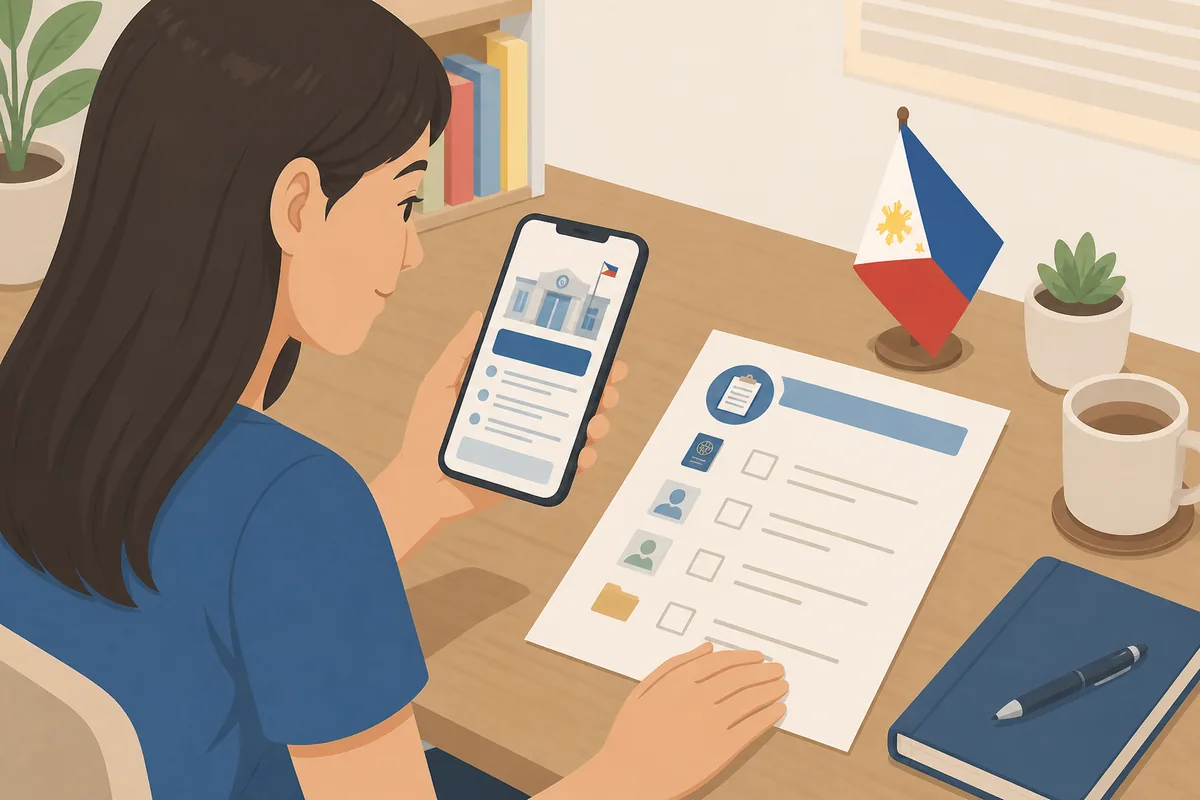
Who the New Fee Applies To
The updated KVAC processing fee applies to Filipino nationals submitting South Korea visa applications through KVAC Manila on or after August 25, 2026. If your appointment or submission falls before that date, the previous fee structure applies.
Visa category matters too. KVAC’s official announcement specifies which visa types are covered under the new fee — tourist (C-3), short-term business, and others may be listed separately. Check the notice for your specific category rather than assuming a flat rate applies to all.
When and How the Fee Is Paid
The KVAC processing fee is typically collected at the application center when you submit your documents in person, not at the time of online booking. Payment method — cash, card, or both — should be confirmed with KVAC Manila directly, as accepted payment types can change alongside fee revisions.
The Korean government visa fee is handled through a different step in the process, usually after your application has been reviewed. Do not bring payment for both fees expecting to settle everything in one transaction at the counter; the two fees have separate collection points.

What Tourist Visa Applicants Should Do Now
- Check the official KVAC Manila website or the Embassy of the Republic of Korea in the Philippines for the exact new processing fee and the date it takes effect
- Confirm which visa category you are applying under and whether it is covered by the new fee structure
- Note the Korean government visa fee separately — these are two different amounts
- Verify accepted payment methods at KVAC Manila before your appointment
- Check the current required documents and processing times from official sources, as these are separate from the fee change and can shift independently
- Book your KVAC appointment after confirming all the above, not before

Visa requirements, supporting documents, and processing times are not changed by this fee update — but they do change on their own schedule. The Embassy of the Republic of Korea in the Philippines publishes the current document checklist for each visa type, and that is the version to follow.
Where to Confirm the Official Details
Two sources are authoritative here. The KVAC Manila official website carries the fee announcement directly, including the effective date and the new amount by visa category. The Embassy of the Republic of Korea in the Philippines is the second source, particularly for questions about the Korean government visa fee and document requirements.
If you cannot find the announcement clearly on the website, KVAC Manila’s inquiry line or email is the right next step. Avoid relying on travel agency summaries or social media posts for the fee amount — those tend to lag behind official updates, and paying the wrong amount at the counter creates a real problem on the day of your appointment.
How much is the new KVAC processing fee starting August 25, 2026?
The exact new amount is published in KVAC Manila’s official fee announcement effective August 25, 2026. Because this is official, time-sensitive pricing that varies by visa category, confirm the figure directly from the KVAC Manila official website or the Embassy of the Republic of Korea in the Philippines before your appointment.
Is the KVAC fee the same as the Korean government visa fee?
No — they are completely separate. The KVAC processing fee goes to the application center for its services. The Korean government visa fee goes to the Republic of Korea for processing your visa application. Both are required, and they are paid at different points in the process.
Who has to pay the new fee starting August 25, 2026?
Filipino applicants submitting South Korea visa applications through KVAC Manila on or after August 25, 2026. Applications submitted before that date follow the previous fee. The specific visa categories covered are listed in the official KVAC announcement — check it for your visa type.
When do Filipinos pay the KVAC fee during the visa application process?
The KVAC processing fee is generally collected when you submit your documents in person at the center, not at the time of booking your appointment. Confirm the exact payment step and accepted payment methods with KVAC Manila before your visit.
Where can I confirm the latest official South Korea visa fee rules for the Philippines?
The KVAC Manila official website and the Embassy of the Republic of Korea in the Philippines are the two authoritative sources. For the KVAC service fee, go to KVAC Manila. For the Korean government visa fee and document requirements, the Embassy is the right place to check.
Note: This guide is for travel navigation in Korea. It is not medical, legal, or emergency professional advice. For urgent situations, contact local emergency services, official staff, or your embassy/consulate as appropriate.
Related Korea Guides
Sources & Verification
- Welcome – K-ETA — Korea Immigration Service
Last checked: August 23, 2026
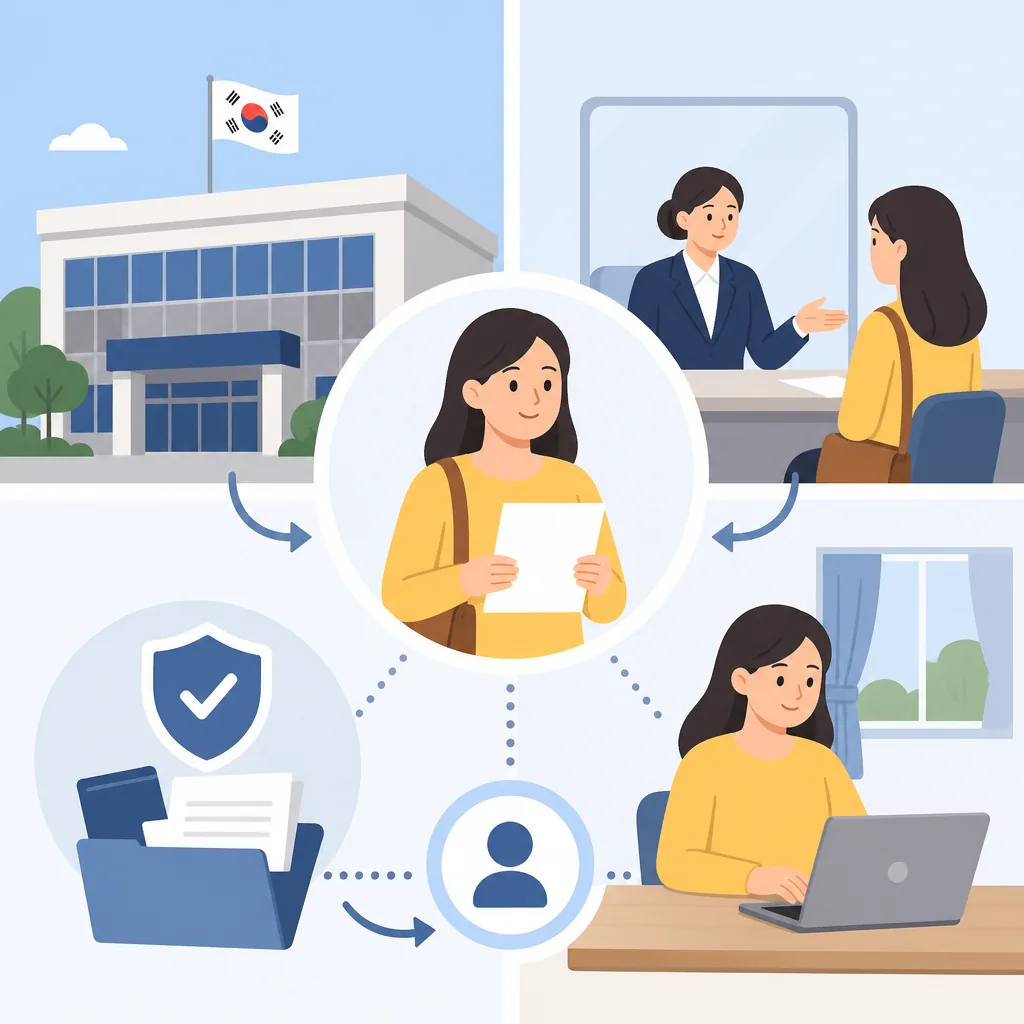
Visual note: This guide uses an explanatory illustration, not an official screen, sign, or document.