Chulipgeumji Meaning: What 출입금지 and 관계자외 출입금지 Mean
If you are new to Korea, the chulipgeumji meaning is one of the most useful sign meanings to know. It tells you that an area is closed to the public, and you should stop before entering.
Chulipgeumji Meaning: What You Need to Know
- What chulipgeumji means
- Difference between the two signs
- Where you will see these signs
- Common mistakes
- Useful Korean phrases
- Warning
- FAQ
- Summary
What chulipgeumji means
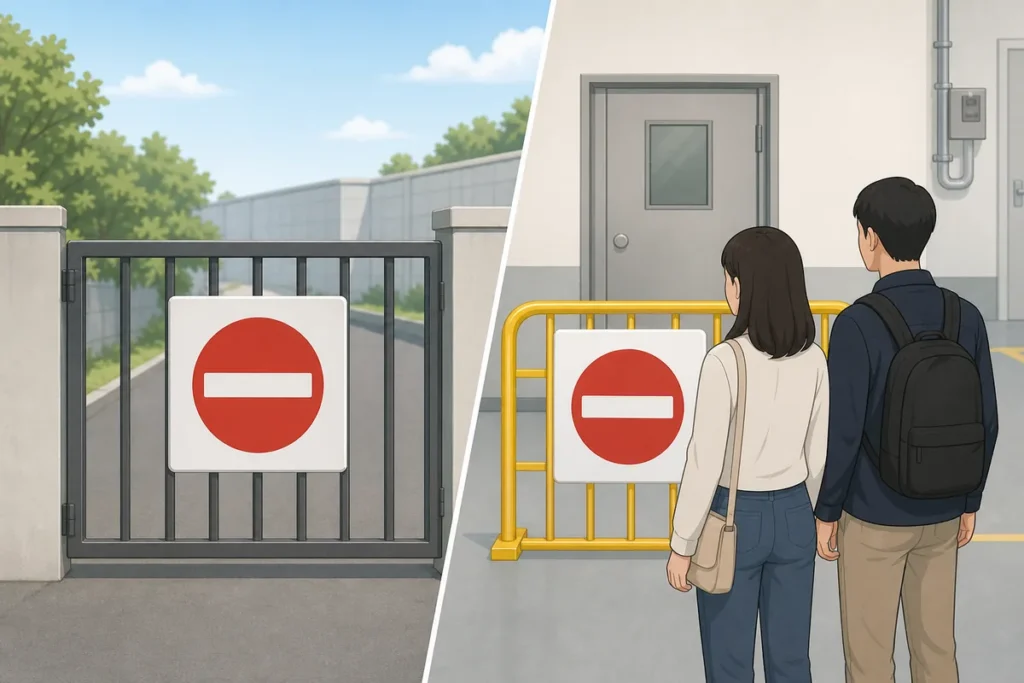
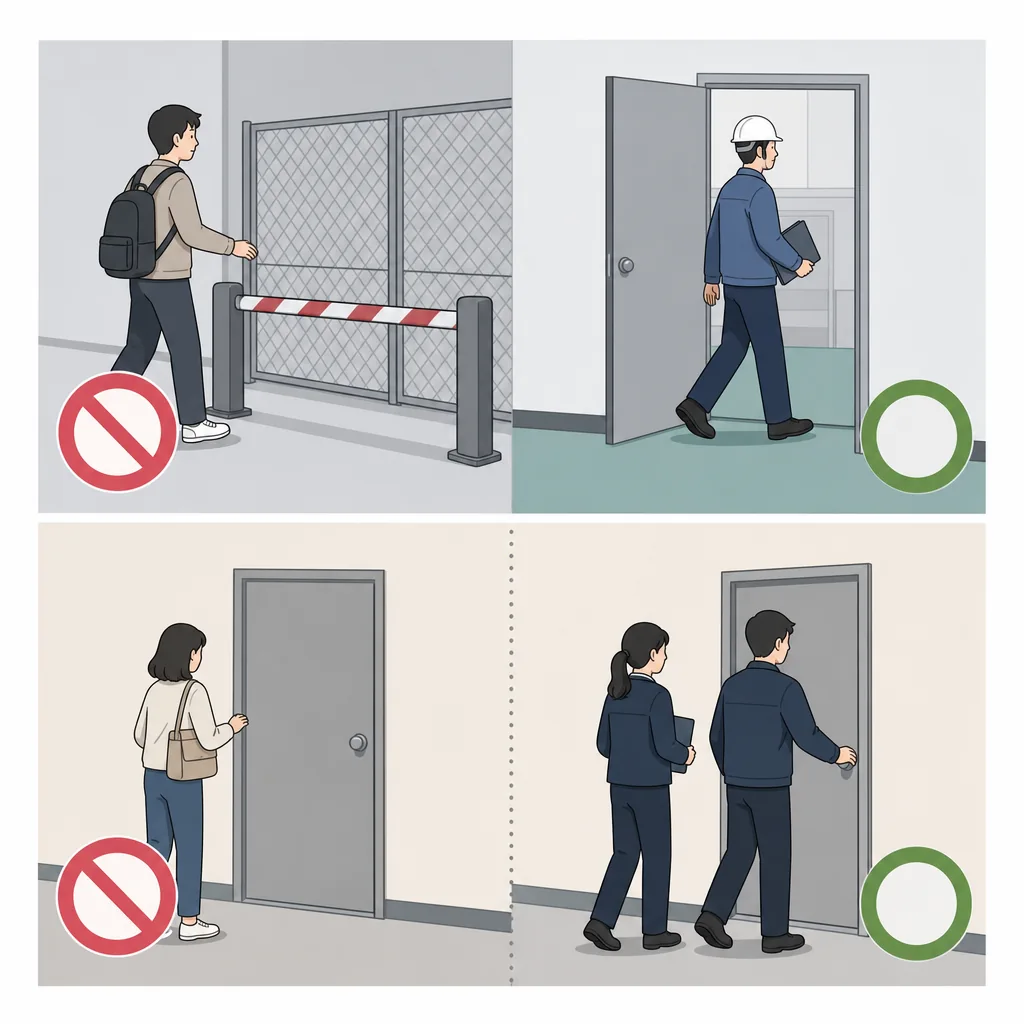
Chulipgeumji means a place is not open for entry. In simple English, it is the same as “No Entry,” “Do Not Enter,” or “Entry Prohibited.” You may see it on doors, gates, fences, hallways, or barriers.
The difference between 출입금지 and 관계자외 출입금지
출입금지
This is the stricter warning. It means no entry at all for the public. You may see it near construction areas, utility rooms, dangerous equipment, or temporarily closed spaces.
관계자외 출입금지
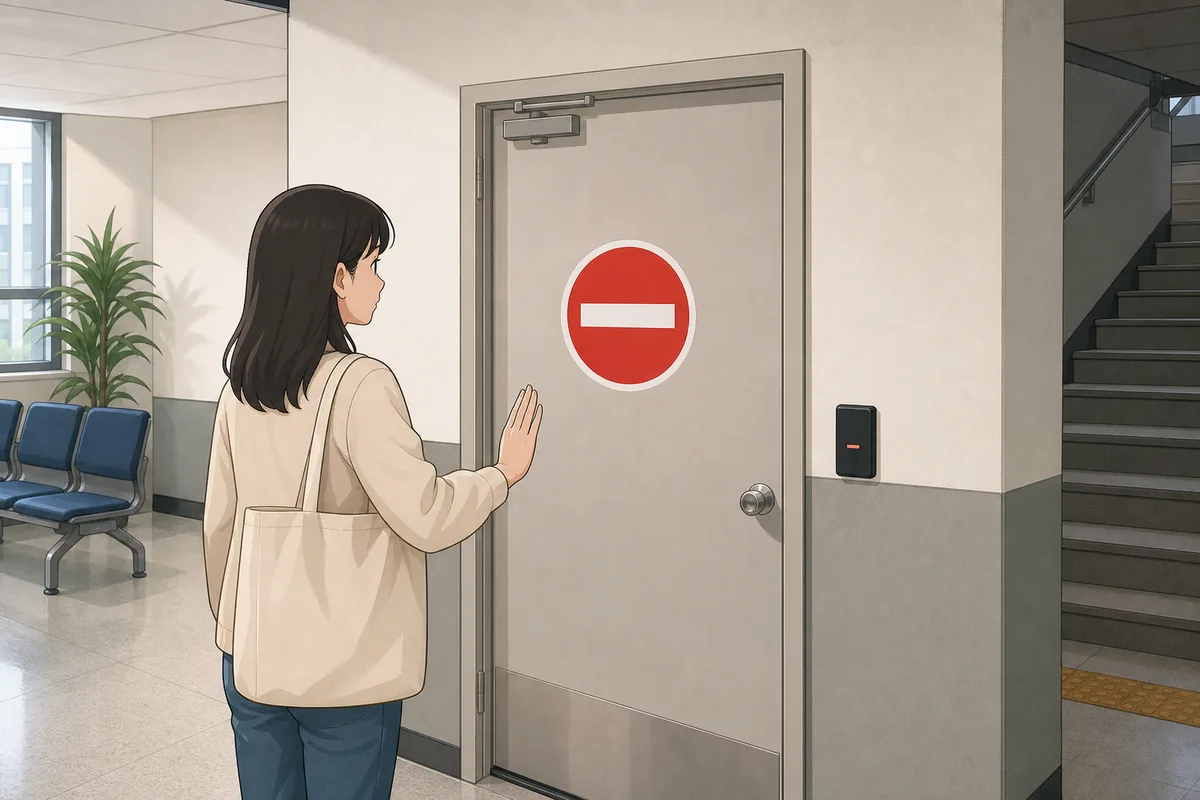
This means only people with permission may enter. The closest English meaning is “Authorized Personnel Only” or “Staff Only.” Customers and visitors should stay outside unless a staff member escorts them.
In other words, 출입금지 is a general stop sign, while 관계자외 출입금지 means only approved staff or workers may go in.
Where you will see these signs
Subway and train stations
These signs often appear near staff corridors, control rooms, electrical areas, and platform back sections.
Shops, malls, and restaurants
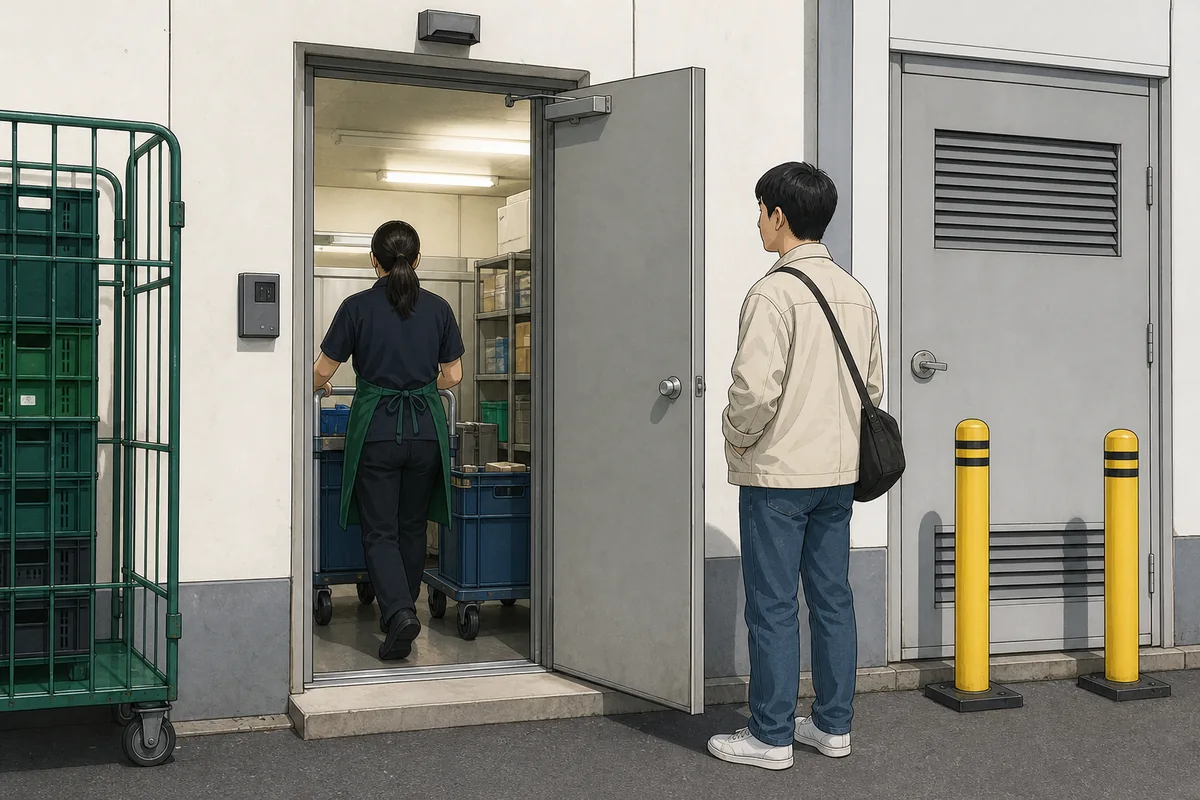
Back rooms, storage areas, kitchens, and loading zones are often marked 관계자외 출입금지.
Construction and maintenance areas
These areas are frequently marked 출입금지 because they can be dangerous.
Hotels and public buildings
Maintenance rooms, service corridors, and office-only spaces are usually restricted.
Useful Korean phrases
Common mistakes foreigners make
- Thinking an open door means it is okay to enter.
- Assuming the sign only applies to locals.
- Believing the sign is decorative or old.
- Walking in instead of asking staff first.
FAQ
Can foreigners enter areas marked 출입금지?
No. The chulipgeumji meaning applies to everyone. If the sign says no entry, do not go in.
Does 관계자외 출입금지 always mean customers cannot enter?
In normal situations, yes. Customers should stay out unless staff explicitly escort them for a specific reason.
What should a visitor do if a visitor am not sure about a door?
Stop, do not enter, and ask a staff member or reception desk for help.
Summary
The chulipgeumji meaning is straightforward: it means “No Entry.” 출입금지 is a full stop, and 관계자외 출입금지 means only authorized staff may enter.
When you see either sign in Korea, do not cross the boundary. If you are unsure, ask staff first. That simple habit will help you stay safe and respectful.
Related and Official Resources
Sources & Verification
- 한국어기초사전 — krdict.korean.go.kr
- National Institute of Korean Language — www.korean.go.kr
Last checked: July 30, 2026