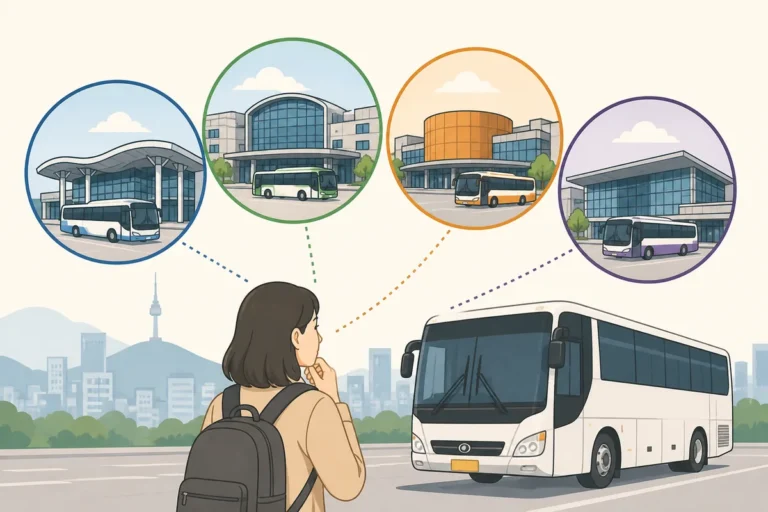
Seoul self driving buses are usable by tourists on the routes that are in the city’s public bus system, and those routes work much like normal city buses. The important part is separating today’s operating passenger routes from pilot-only demonstrations, because the pilot vehicles are not open for casual boarding. Check Climate Card – Seoul Metropolitan Government for the current details.
What Is Actually Operating Now
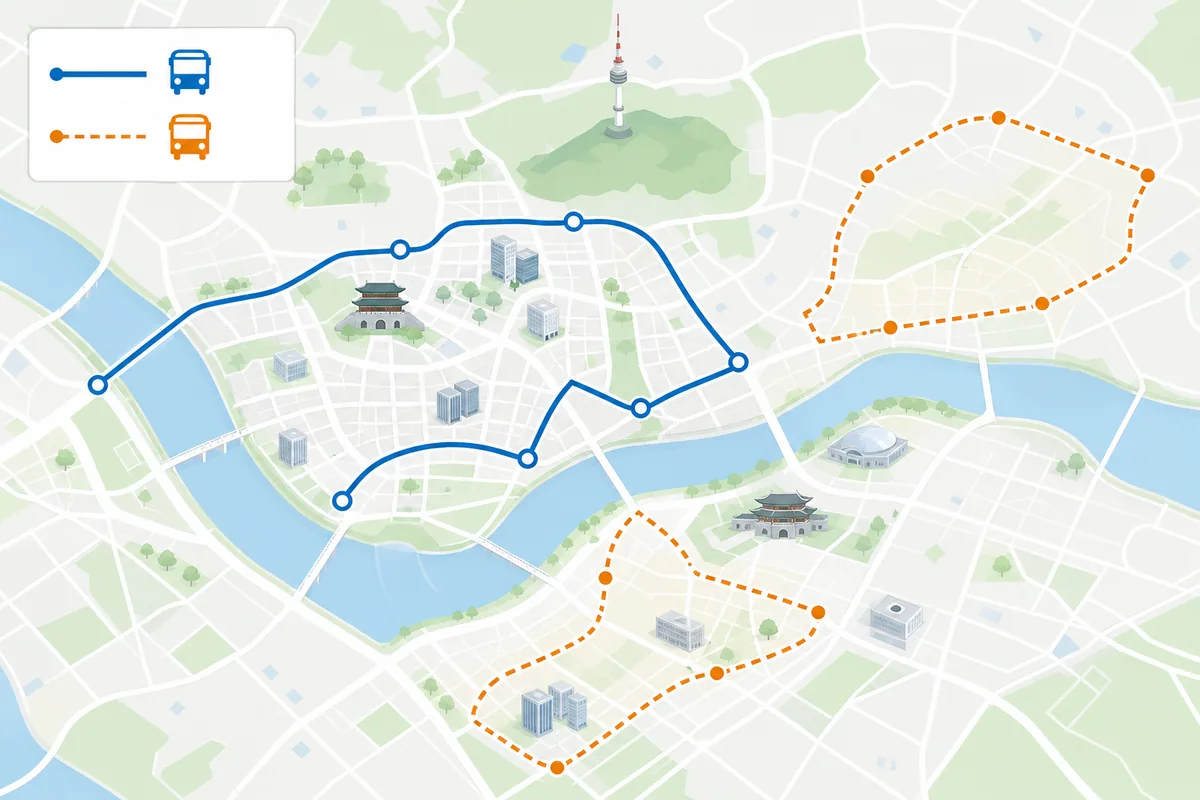
Seoul has a small number of autonomous bus services running as public transport, but they are limited to specific routes and districts rather than the whole city. The best-known passenger route is the Sangam DMC area service, often referred to as Route A21, and Seoul has also operated a Cheonggyecheon-area autonomous route on a fixed public corridor. These are the services travelers should look for, not the demo vehicles shown in news clips.
In practice, that means you can ride a Seoul autonomous bus only if it appears as a real public route with normal bus-stop access and standard route information. If it is listed as a pilot, test, or invitation-only operation, it is not the same thing as a city bus you can simply board.
Route Details, Stops, and Hours
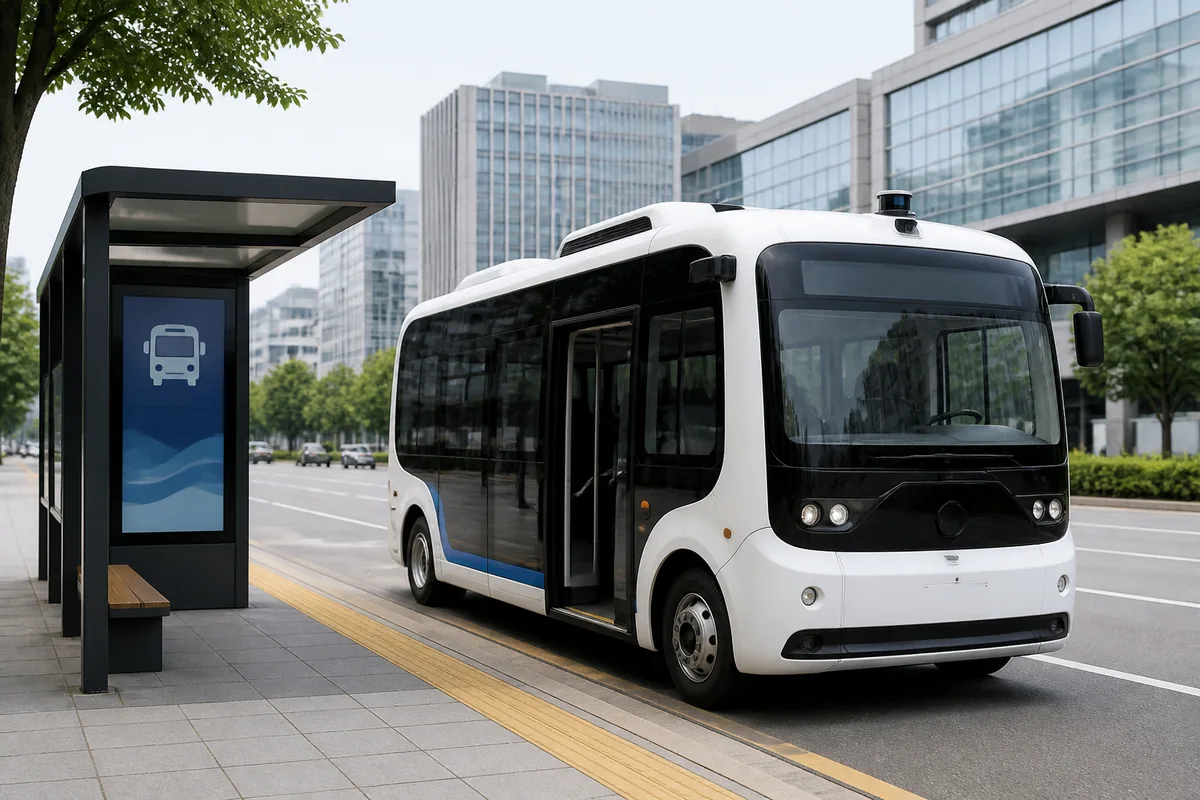
The current public autonomous bus routes have been concentrated in a few areas, especially around Sangam Digital Media City. Public-route stops are integrated into the normal bus-stop network, so you board at an ordinary marked stop rather than at a special terminal. Operating hours are limited and can change, so the safest approach is to check the current route status on official Seoul transit information before traveling to the stop.
These routes do not run like a frequent all-day subway line. They are usually limited to selected daytime service windows and specific weekdays or scheduled operating periods. Because Seoul has adjusted these services over time, route names, stop lists, and operating hours should be verified on the day you plan to ride.
How to Board and Pay
Boarding works like a normal Seoul bus: wait at the stop, let passengers off, then board and tap your card. T-money and other standard Korean transit cards are accepted on public autonomous bus routes, and the fare is handled like a regular city bus fare rather than as a special tourist ticket. Cash handling can vary by bus system, but a transit card is the normal and easiest way to pay.
No separate app is needed to ride a public autonomous bus. No reservation is needed either. If a route is open to the general public, a tourist can board the same way a local passenger does, using a transit card and a valid stop.
Useful Signs and Words at the Stop
Pilot-Only Vehicles: Do Not Confuse These with Public Transit
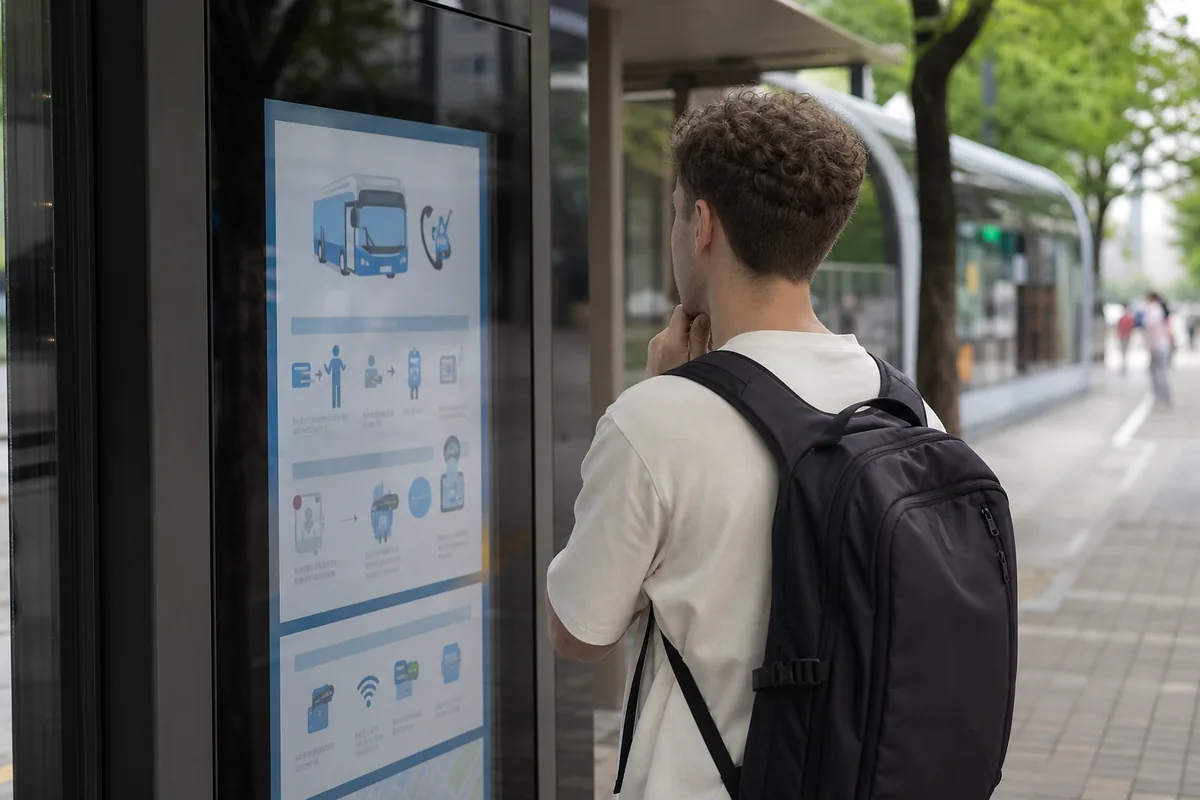
Seoul also runs autonomous vehicle demonstrations that are not open to ordinary passengers. These can use the same words in Korean and may look very similar from the outside, which is why visitors sometimes assume every self-driving bus is a public service. The key difference is simple: if it is a pilot, test, or closed demonstration, it is not a bus you should expect to board like an ordinary city route.
That is also why route verification matters more than the vehicle’s appearance. A true public route appears in the city’s bus information system with normal stop access and a usable timetable; a pilot route does not.
The 2030 Expansion Plan
Seoul has announced a goal of expanding autonomous buses much further by 2030, including a larger citywide fleet integrated into regular transit. That is a future plan, not the number of buses running now. Today’s real passenger service is still limited to a small set of routes.
For travelers, the practical takeaway is straightforward: if you are near a current public route, it can be a fun transit ride; if you are planning a trip around Seoul’s future autonomous network, that network is not in place yet.
Can Tourists Ride Without Any Korean?
Yes. Tourists can ride the public routes without Korean language ability, a local phone number, or resident registration. A loaded T-money card is enough for payment, and the normal Seoul bus boarding flow is the same as for any other public bus.
One local note: because these services are limited and can change, Korean residents often check the route in advance rather than assuming it will still be running exactly as last month. Visitors should do the same.
- Confirm the route is a public passenger service, not a pilot or test run
- Check the current stop list and operating hours on official Seoul transit information
- Bring a T-money card or another accepted transit card
- Go to a normal marked bus stop
- Do not expect a special app or reservation process for public routes
Can foreign tourists ride Seoul self-driving buses?
Yes, if the route is a public passenger service. Tourists can board the same way as local passengers, using a transit card at a public bus stop.
Do Seoul autonomous buses accept T-money?
Public autonomous bus routes use the same transit-card system as regular Seoul buses, so T-money is the normal payment method.
Do I need an app or reservation to board?
No. Public routes do not require a separate app or advance reservation. If a route needs booking, it is not functioning like a normal city bus.
Which Seoul autonomous bus routes are operating now?
The main public services have been concentrated in the Sangam area, including the A21 route, and Seoul has also run a Cheonggyecheon-area route. Current status should be checked before travel because schedules can change.
Are pilot autonomous buses the same as regular city buses?
No. Pilot or demonstration buses are not the same as public routes and are not meant for ordinary boarding by tourists or casual passengers.
Note: This guide is for travel navigation in Korea. It is not medical, legal, or emergency professional advice. For urgent situations, contact local emergency services, official staff, or your embassy/consulate as appropriate.
T-money Tap CheckerCheck when to tap in, tap out, and transfer in Korea.Check taps
Related Korea Guides
Sources & Verification
- Climate Card – Seoul Metropolitan Government — Seoul Metropolitan Government
Last checked: August 28, 2026