Korean Streets Change Quickly: What You Need to Know
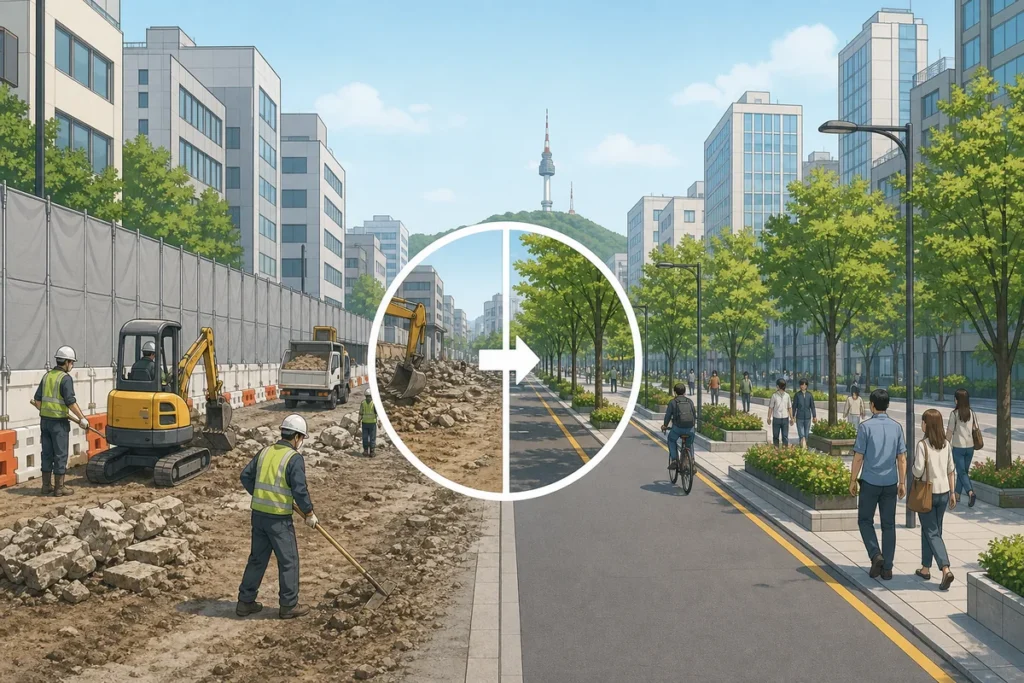
korean streets change quickly because redevelopment, pop-up stores, and fast-moving commercial trends often reshape the same block within a few years. What looks like a neighborhood disappearing is usually demolition, new construction, and businesses chasing the newest foot traffic.
Quick Rule: Reading Street Change in Korea
- Expect central streets to look noticeably different after 12–18 months.
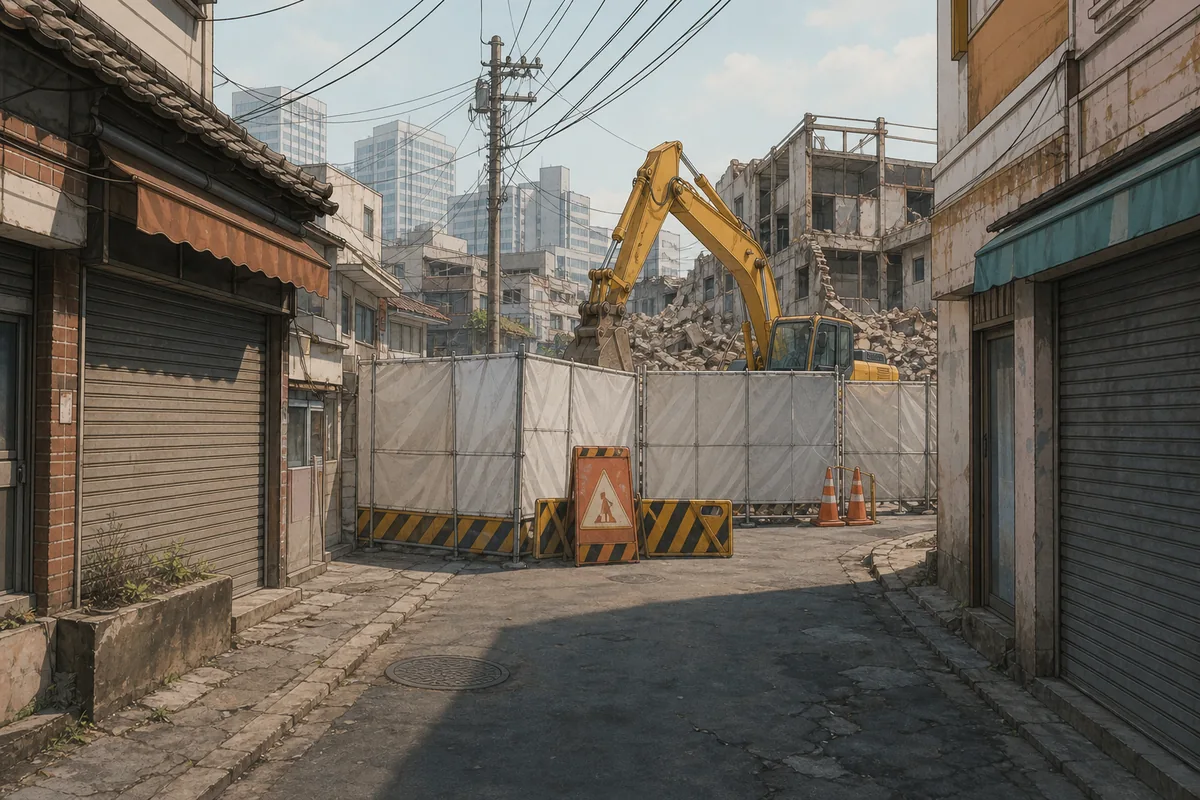
- Construction fences usually mean a full rebuild is underway.
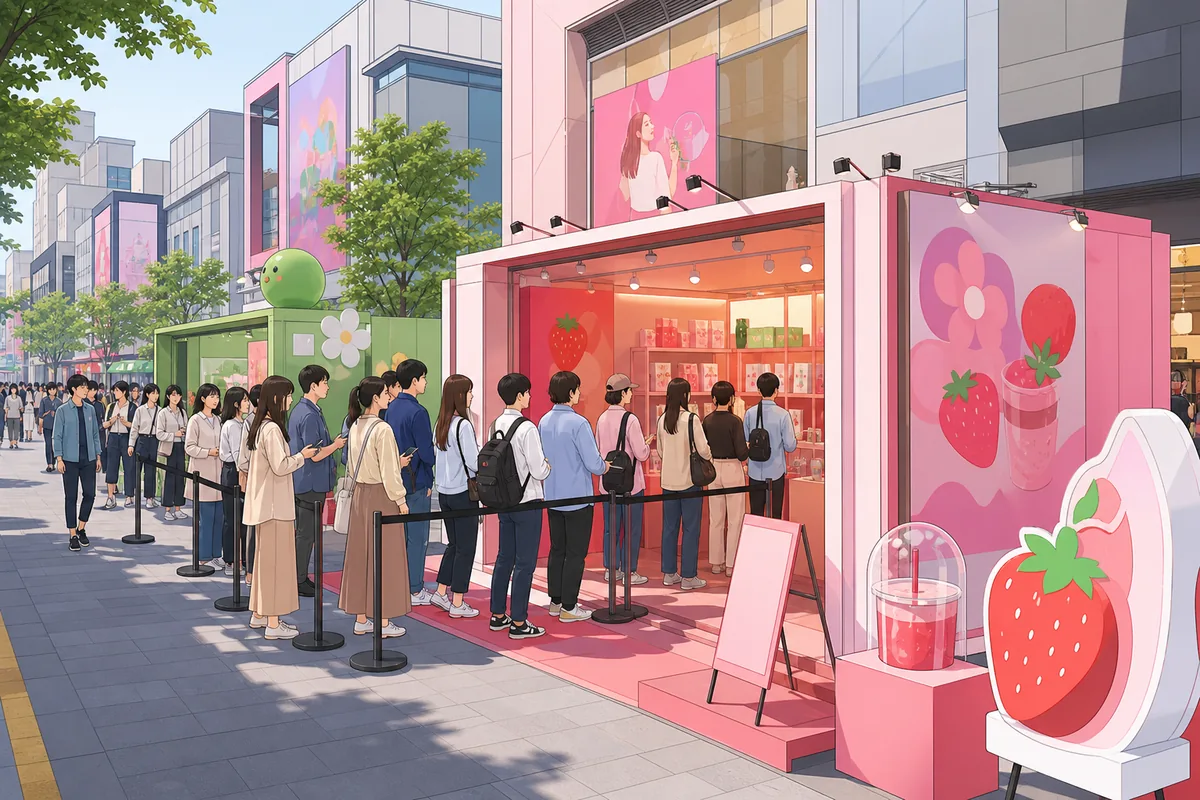
- Bold, temporary-looking shops are often pop-up stores.
- A crowded cafe street can cool down fast when the trend moves on.
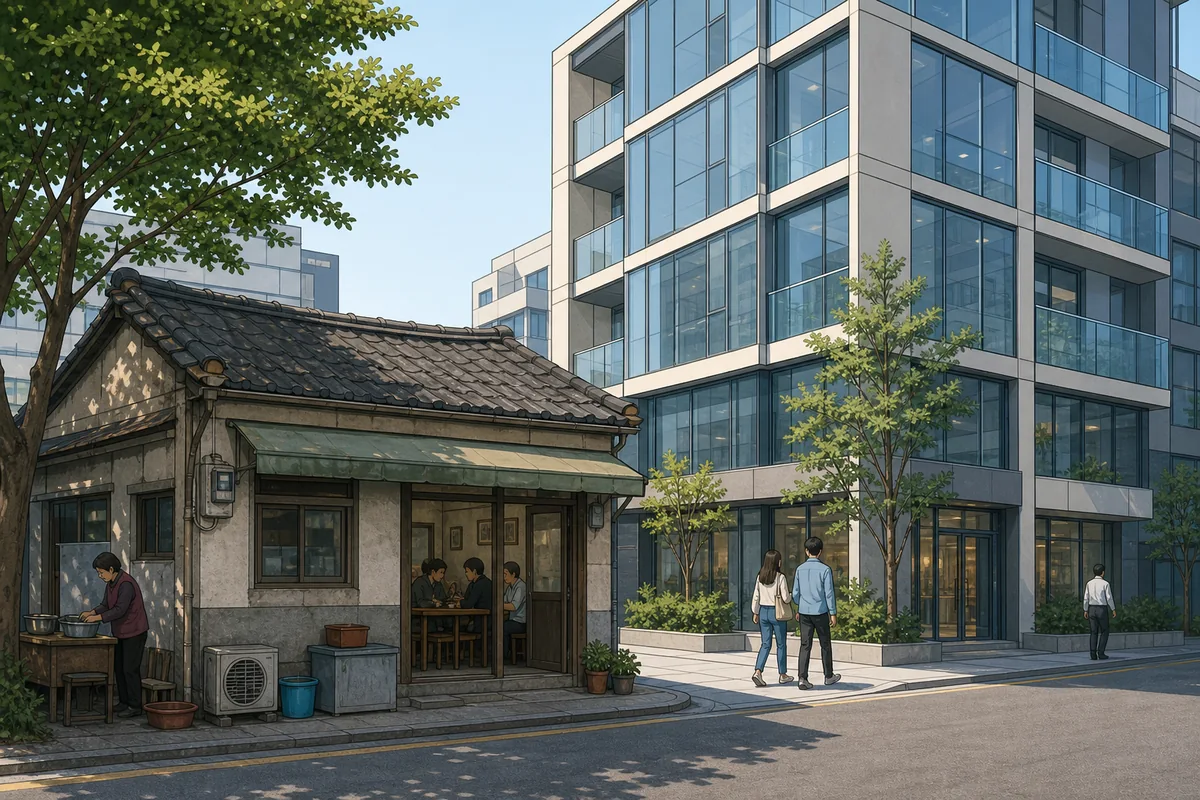
- Old shops next to new buildings are normal in mixed redevelopment areas.
- Recent photos are the best way to check what a street looks like now.
- Construction noise and dust are part of everyday city life in many districts.
Why Korean Streets Can Look Completely Different in a Short Time
korean streets change quickly because redevelopment, short-term retail, and shifting neighborhood popularity all move at once. A street you walked two years ago can return as a construction zone, a cafe cluster, or a mix of old storefronts and brand-new buildings. That is normal in many Korean cities, not a rare exception.
Three forces usually explain what you are seeing: older buildings are replaced through redevelopment, brands and small businesses open temporary pop-up stores in trendy areas, and commercial districts rise and fall as foot traffic moves to the next hot spot. Once you know those three patterns, the changes stop feeling random.
Redevelopment: Why Old Buildings Disappear
Korea built a huge amount of housing and commercial space quickly during its growth years, and many of those buildings are now aging. When a block is set for redevelopment, businesses close, facades are stripped, and demolition starts fast. Visitors often notice shuttered shops, removed signs, and long construction fences before new buildings rise in their place.
The process is usually block by block rather than all at once. That is why you can see one cleared lot, one rebuilt tower, and one older building still standing beside it. The patchwork look is a normal part of urban renewal.
Do not assume a place you saw online is still open. In redevelopment areas, closures can happen with little notice, and temporary stores may disappear before a trip plan does.
Pop-up Stores and Fast-Moving Commercial Trends
One reason korean streets change quickly is the pop-up store cycle. Brands use temporary spaces in busy districts to create attention for a few weeks or months, then move on. These stores are built to stand out, with strong branding, queues, and photo-friendly interiors.
Beyond pop-ups, neighborhood trends move fast. A cafe style, dessert concept, or retail format can spread quickly, then fade just as fast once the crowd moves elsewhere. When one area becomes popular, similar businesses often cluster there until the district becomes crowded and expensive.
Signs You Will See on Changing Streets
Why Some Streets Become Hot Spots and Then Cool Down
Korean commercial districts often follow a fast life cycle. An area starts cheap and quiet, independent businesses move in, social media brings crowds, larger brands follow, and rent rises. Once that happens, the original small places that gave the street character often leave, and the next neighborhood starts the same cycle.
Visitors usually see a district at its peak, when it feels lively, photogenic, and full of new openings. That does not mean the area will stay that way. It simply means you are seeing one stage in a very quick neighborhood cycle.
Seongsu is a clear example. It changed from an industrial area into one of Seoul’s most visited districts, with old workshops, renovated spaces, and new cafes sitting side by side.
Why Old Shops and New Buildings Often Stand Side by Side
One of the most common things visitors notice is a decades-old local restaurant beside a glass apartment tower. That is not a planning mistake. Redevelopment happens on individual plots, and each owner decides separately whether to sell or stay. One building changes while the next remains, so the street ends up showing different eras at once.
Long-running local businesses can survive because they have loyal customers and stable rent. In some neighborhoods, that makes them landmarks. The contrast between the old shop and the new building becomes part of the street’s identity.
That mixed look is why korean streets change quickly without ever becoming fully uniform. Even after major redevelopment, older businesses often remain in the gaps between new projects.
The Short Version
korean streets change quickly because redevelopment, pop-up store culture, and shifting commercial trends all reshape neighborhoods at the same time. Fences, temporary shops, and old-and-new buildings standing together are normal street-level clues. If you return to the same area later, expect a different mix of shops, facades, and crowds.
FAQ
Why do Korean neighborhoods get rebuilt so often?
Many older buildings are replaced as part of redevelopment projects, especially when a block is seen as outdated or underused. Once a project moves forward, change can happen very fast.
What is a pop-up store in Korea?
A pop-up store is a temporary retail space opened for a short run to attract attention, test a location, or follow a trend. Many close after only a few weeks or months.
Why do some Korean streets have old restaurants next to new buildings?
Redevelopment usually happens plot by plot, not across an entire district at once. That is why an older shop can stay open while a new building rises next door.
Does a changing street mean the old area is gone?
Not always. Sometimes only one block is rebuilt while nearby streets keep their older character. In larger redevelopment zones, though, the neighborhood can feel very different after a few years.
Note: This guide is for travel navigation in Korea. It is not medical, legal, or emergency professional advice. For urgent situations, contact local emergency services, official staff, or your embassy/consulate as appropriate.
Sources & Verification
- VISITKOREA – Imagine Your Korea — english.visitkorea.or.kr
Last checked: July 30, 2026