Quick Answer
korea in september can feel like two different trips: early month is still warm and humid, while late month starts to feel more like fall. If you are visiting around Chuseok on September 24 to 26, expect bus, train, and flight crowds to jump and some shops, restaurants, and attractions to close or shorten hours. Book transport and accommodation early, pack layers, and check opening hours before you go.
What to Do First
- Book KTX trains and intercity buses as early as possible if you are traveling around September 24 to 26
- Reserve accommodation before mid-September if you want popular cities or holiday travel dates
- Pack both light summer clothes and a light jacket or cardigan for evenings
- Bring a compact umbrella or packable rain jacket because September still brings rain
- Check official opening hours for any attraction, restaurant, or shop you want to visit during Chuseok
- Download a transit app such as Naver Map or Kakao Map before you arrive
- Confirm your accommodation check-in hours if you arrive during the Chuseok travel rush
When This Guide Helps
korea in september is useful for first-time visitors who are deciding when to travel, what to pack, and how to handle Chuseok without getting stuck with closed doors or packed trains. It is especially helpful if your trip falls near the holiday window or you plan to move between Seoul, Busan, Jeju, and mountain areas.
How korea in september Actually Feels
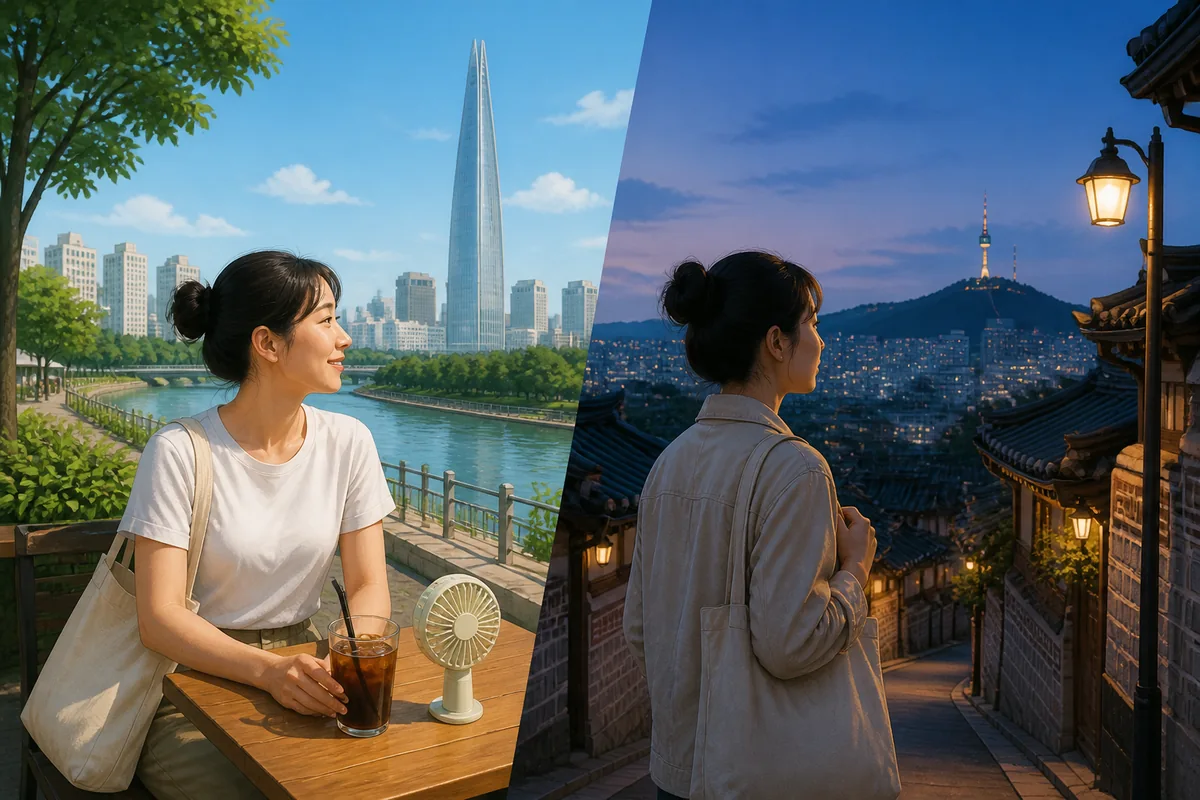
korea in september does not behave like one single season. Early September still feels close to summer, with warm days, humidity, and occasional rain showers. Late September usually feels calmer and cooler, especially in Seoul and other inland areas, with evenings that can need a light jacket.
That shift is exactly why this month works well for travel if you pack for both ends of the range. A trip at the start of the month needs more summer pieces. A trip near the end needs a bit more fall layering, especially after sunset or in air-conditioned indoor spaces.
Seoul, Busan, Jeju, and the Mountains
Seoul and central Korea usually cool down first. Busan stays warmer longer and keeps more coastal humidity. Jeju tends to stay milder still, with a slower transition into fall than the mainland. Mountain areas are the exception: higher elevations can feel cool even in early September and can get cold at night later in the month.
If your itinerary mixes cities and hiking, do not pack for one temperature only. The right outfit for Seoul can feel too light in the mountains and too warm in Jeju on a sunny day.
| Region | Early September | Late September |
|---|---|---|
| Seoul / Central Korea | Warm, humid, some rain | Comfortable days, cooler evenings |
| Busan | Hot, humid, coastal breeze | Warm days, mild evenings |
| Jeju Island | Warm, humid, more summer-like | Warm, slower to cool than mainland |
| Mountain areas | Cooler at elevation, breezy | Noticeably cool, cold nights possible |
Chuseok 2026: What It Means for Your Trip
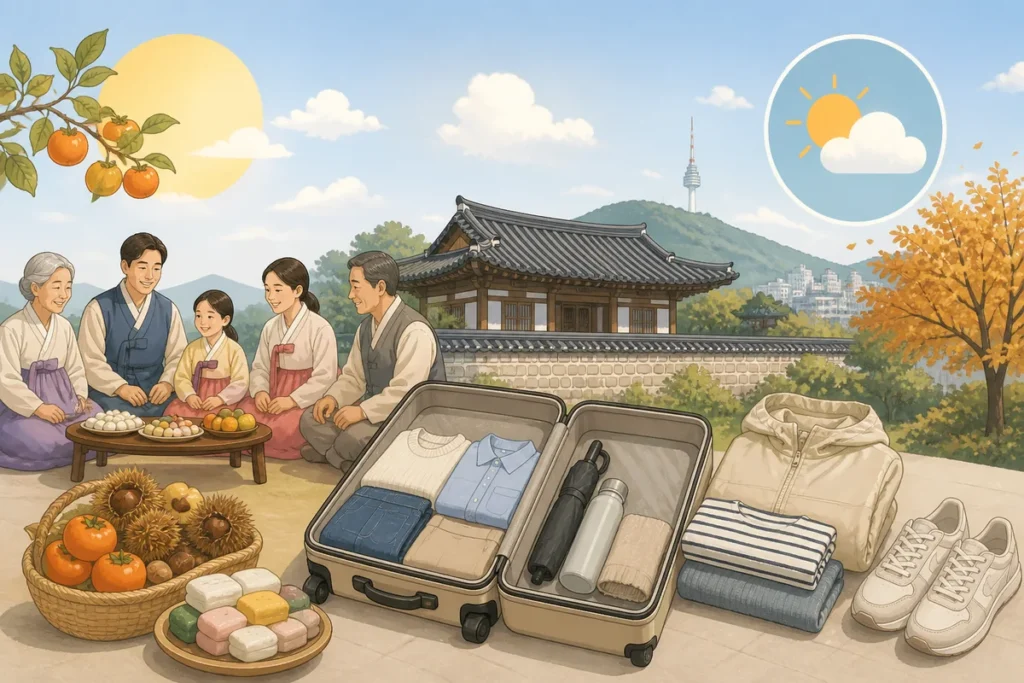
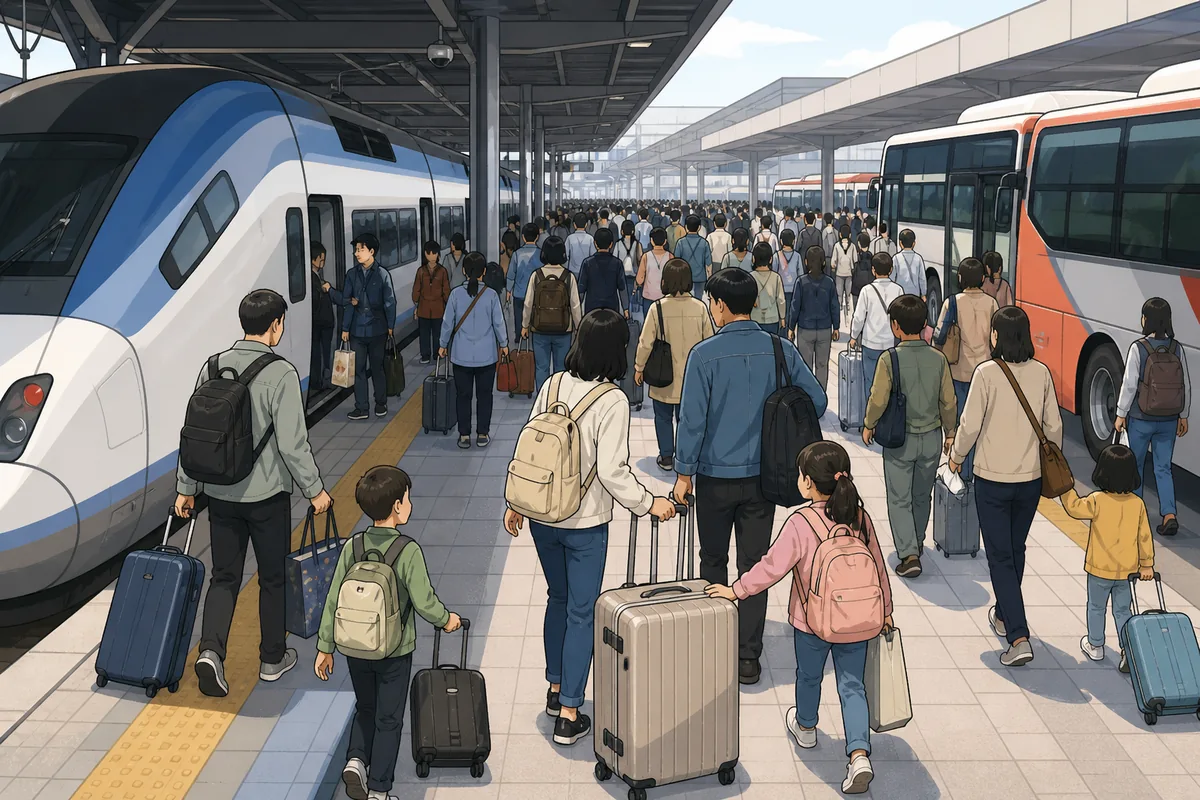
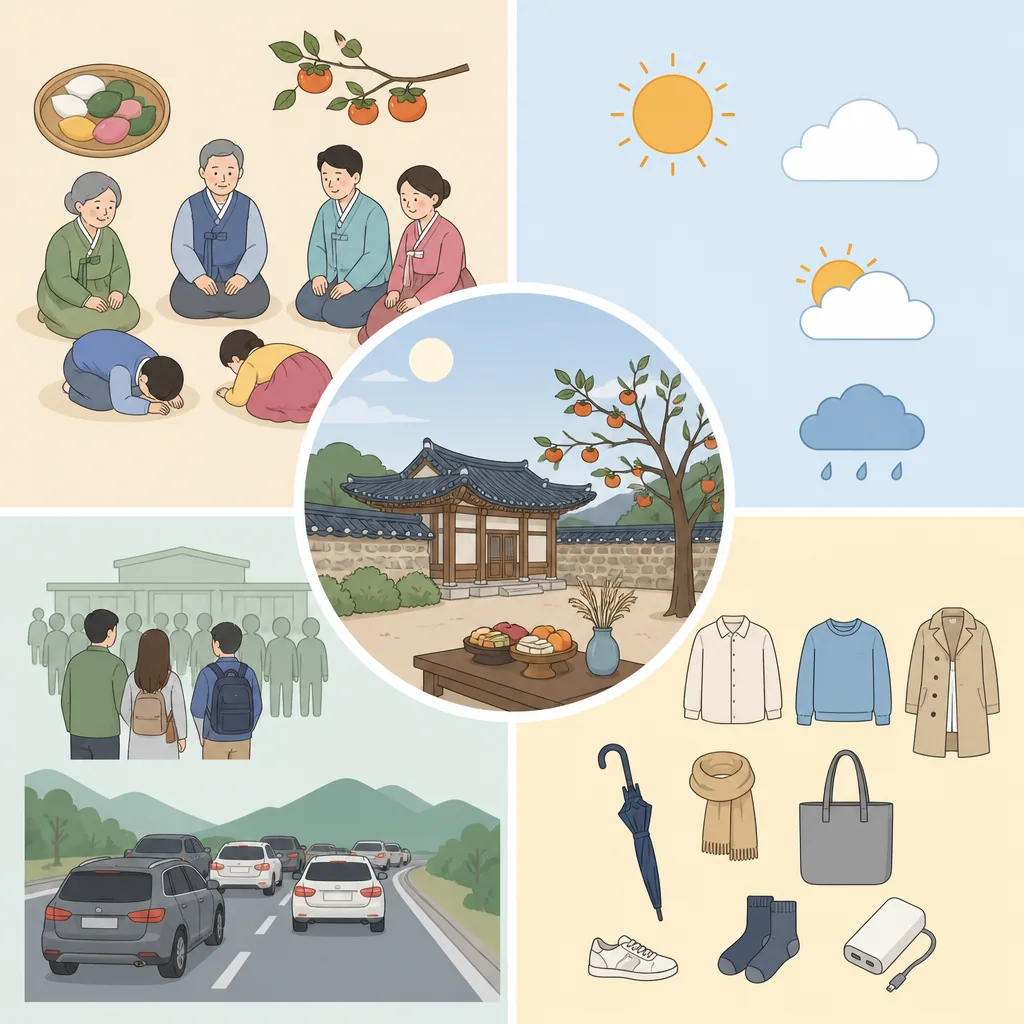
Chuseok is one of Korea’s biggest holidays, and in 2026 the main holiday dates are September 24 to 26. Most Korean families travel home during this period, so domestic transport gets crowded fast and some places shut down or reduce hours.
For visitors, the biggest issues are movement and opening hours. If you plan to travel between cities, visit smaller restaurants, or rely on local transport during the holiday window, you need more lead time than usual.
Transport Crowds
KTX trains, intercity buses, and flights to Jeju can sell out early around Chuseok. The busiest outbound travel period often hits just before the holiday starts, and return travel becomes heavy as the holiday ends. If your schedule includes September 23 to 27, book as early as you can.
Do not assume you can decide later and still find convenient seats. During Chuseok, “last minute” usually means limited choices, longer routes, or a full sellout.
Business Closures and Short Hours
Many family-run restaurants, traditional markets, independent cafes, and small shops close for some or all of Chuseok. Large convenience stores usually stay open, and major malls or department stores may operate with holiday hours. Tourist attractions vary by venue, so check each place individually before you go.
Fall Foliage: What September Really Means
korea in september is too early for most peak fall foliage in the country. In many regions, the best color usually comes in October and into November. Higher mountain areas can start changing first, sometimes with early signs in late September, but full peak color is not something to expect across most of Korea yet.
That means September is better for comfortable walking weather than for chasing peak leaves. If foliage is your main goal, late September can be a preview, not the main event.
What to Pack for korea in september
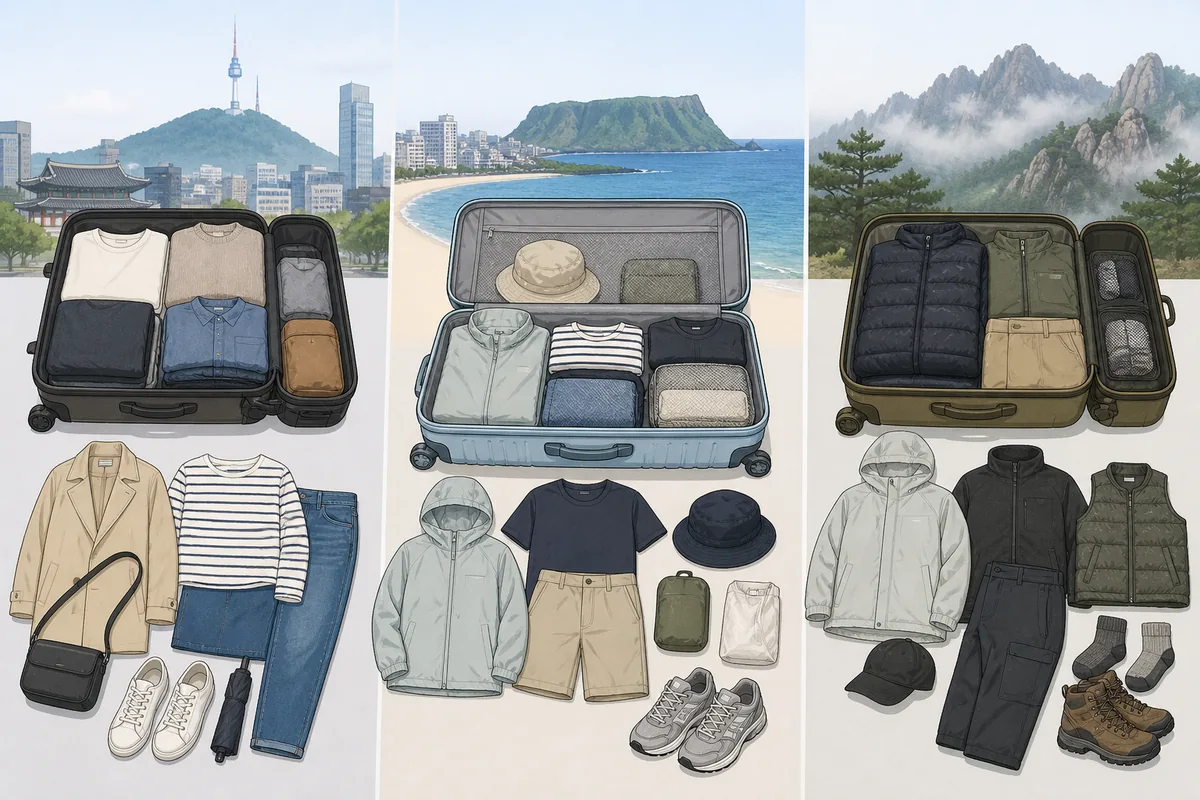
Pack for warmth in the daytime, cooler evenings later in the month, and the chance of rain at any point. Light, breathable clothes work well for early September. A thin jacket, cardigan, or compact layer becomes more useful as the month moves on. Comfortable shoes matter more than sandals alone because wet sidewalks and long walking days are common.
- Breathable tops for warm and humid daytime weather
- One or two long-sleeve layers for evenings and air-conditioned spaces
- A light jacket for late September and mountain areas
- Compact umbrella or packable rain jacket
- Comfortable walking shoes with grip for wet pavement
- Sunscreen for early September UV
Korean convenience stores and pharmacies are good for small forgotten items, but a jacket is better brought from home if you know you will need one.
Korean Phrases You Can Show
Useful Korean Signs or Words
Where to Get Help
The Korea Tourism Organization tourist helpline at 1330 is a useful first stop if you need help with transport, directions, or holiday opening questions. English support is available. Major stations such as Seoul Station, Busan Station, and Dongdaegu Station also have staffed information desks. Incheon Airport has tourist information counters in the arrivals area.
Navigation apps like Naver Map and Kakao Map are helpful for routes and business hours, but they do not replace direct confirmation during Chuseok. If a place matters to your schedule, check it with the venue itself.
Common Mistakes
- Assuming September is all the same. Early September and late September feel different enough that packing only one type of clothing is a mistake.
- Waiting too long for Chuseok transport. Trains and buses around September 23 to 27 can disappear quickly.
- Expecting restaurants and cafes to stay open. Many smaller places close for the holiday, especially outside the main tourist core.
- Planning for peak foliage too early. Most of the country peaks later than September.
- Ignoring regional differences. Seoul, Busan, Jeju, and mountain areas do not share the same weather or evening temperature.
- Forgetting indoor cooling. Even in September, many indoor spaces run strong air conditioning.
Is September a good time to visit Korea?
Yes, especially if you travel outside the Chuseok window. Early September is still warm, while late September is usually more comfortable for walking and sightseeing. The main challenge is holiday crowds and closures around September 24 to 26.
What happens in Korea during Chuseok 2026?
Chuseok falls on September 24 to 26 in 2026. Domestic travel gets crowded, KTX and buses can sell out early, and many small businesses close or shorten hours. Convenience stores usually stay open, but specific attraction hours still need checking.
What should I pack for Korea in September?
Bring breathable clothing, a light jacket or cardigan, a compact umbrella, and comfortable walking shoes. If you plan to visit mountains, add a warmer layer because evening temperatures can drop faster than in the cities.
Are Seoul, Busan, and Jeju the same in September weather?
No. Seoul cools down first, Busan stays warmer longer, and Jeju usually feels milder and more humid than the mainland. Mountain areas are cooler than all of them, especially after sunset.
Note: This guide is for travel navigation in Korea. It is not medical, legal, or emergency professional advice. For urgent situations, contact local emergency services, official staff, or your embassy/consulate as appropriate.