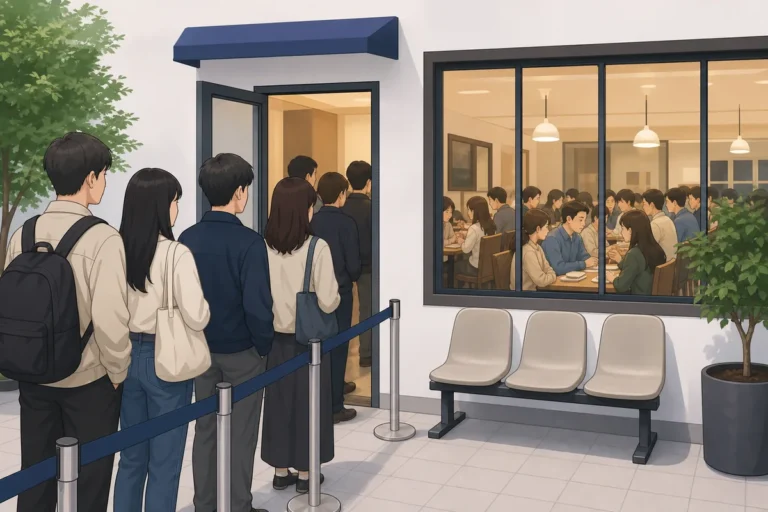
Banap Meaning in Korea: What 반납 Means on Signs, Cups, and Rental Items
Banap meaning is simple: 반납 (ban-nap) means to return or give something back. In Korea, you may see it on signs for cups, dishes, rentals, lockers, and library items. This guide explains what the word means, where you will see it, and what to do when you notice it.
Banap Meaning: What You Need to Know
- Quick Answer
- Main Explanation
- Common Situations
- Signs and Vocabulary
- What Foreigners Often Get Wrong
- Useful Korean Phrases
- Quick Checklist
- Warnings and Things to Check
- FAQ
- Summary
Quick Answer
반납 means return. It usually tells you to place an item in a designated return spot, hand it back to staff, or complete a return process. It is not the same as a refund word, and the exact action depends on the place and the sign.
Main Explanation
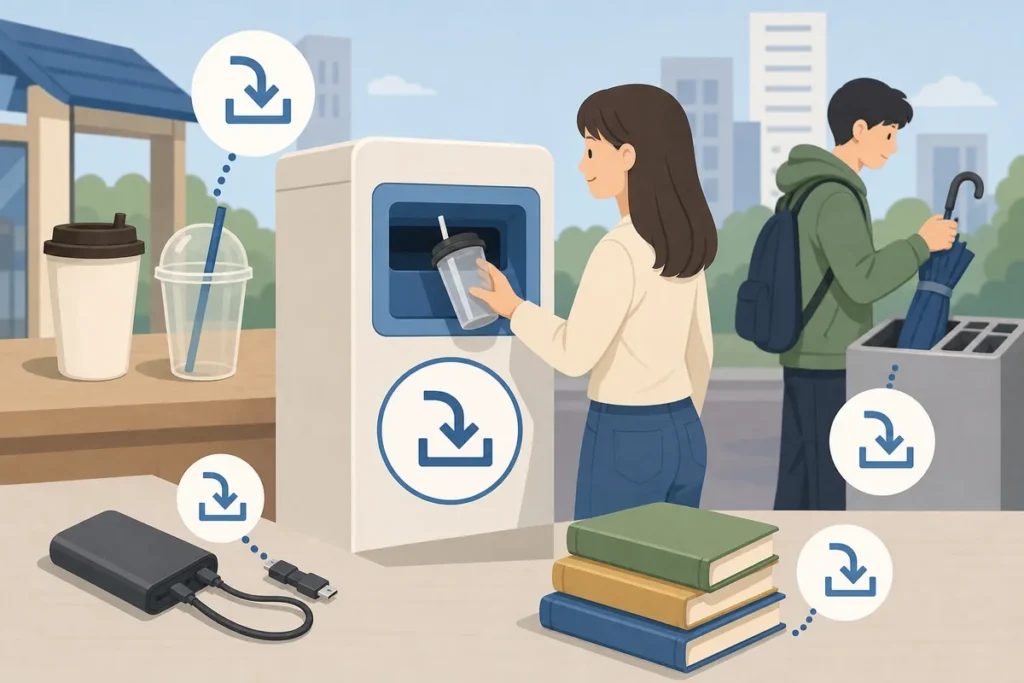
Banap meaning in Korea is easiest to remember as “return”. The word 반납 appears when something has been used, borrowed, or rented and needs to be given back. You may hear staff say it or see it on signs in cafes, cafeterias, rental stations, libraries, gyms, and public facilities.
The pronunciation is roughly ban-nap. In daily use, it often means you should look for a nearby return counter, tray shelf, box, or slot and place the item there. If the item was borrowed from a kiosk or app-based service, you may also need to confirm the return on-screen.
It helps to distinguish 반납 from 반품. 반납 is for returning a borrowed or used item. 반품 is usually for returning a purchased product to a seller, often for an exchange or refund. If you want money back from a purchase, the more relevant word is usually 환불.
Important note
Banap meaning in Korea does not usually mean “refund.” If you see 반납, focus on where to return the item, not on getting money back.
Common Situations Where You See 반납
Cafes and Coffee Shops
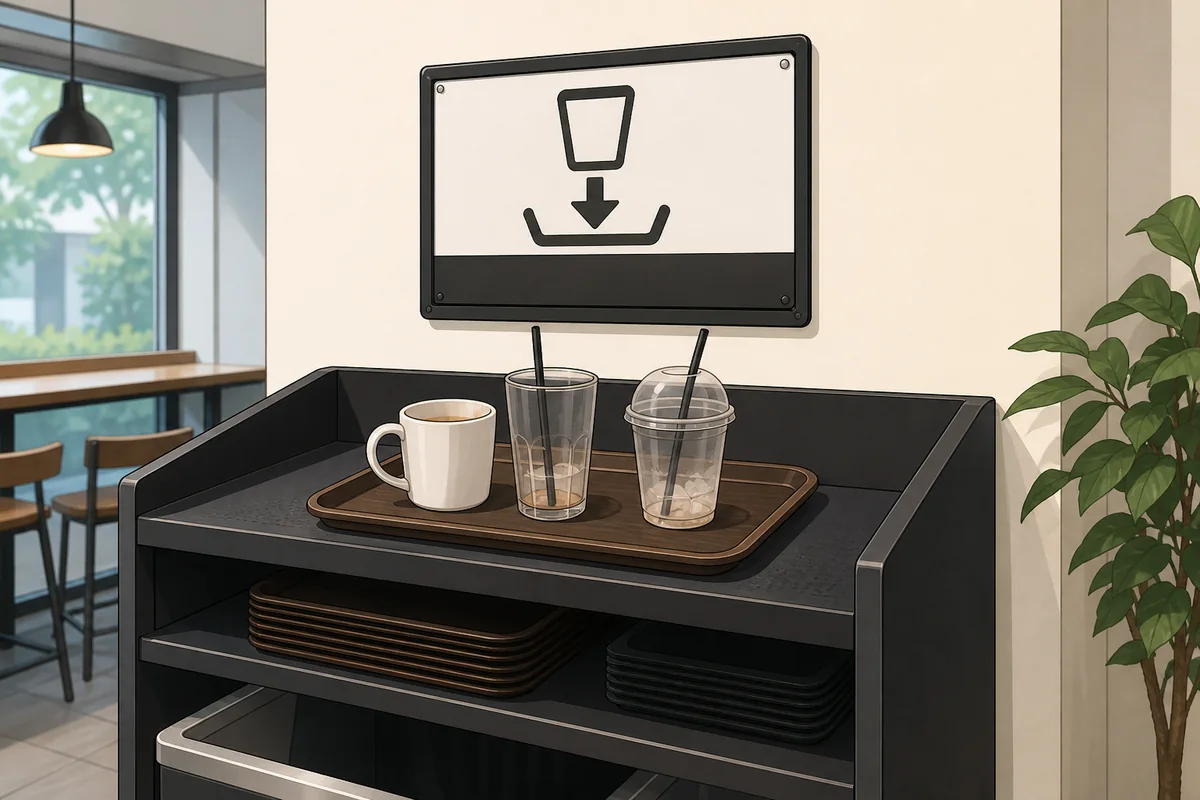
In many self-service cafes, you may see 컵 반납 for cup return or 트레이 반납 for tray return. Place used cups, lids, and trays in the designated area. Some cafes ask you to rinse the cup first, so check for a sink or small instruction sign near the station.
Cafeterias and University Canteens
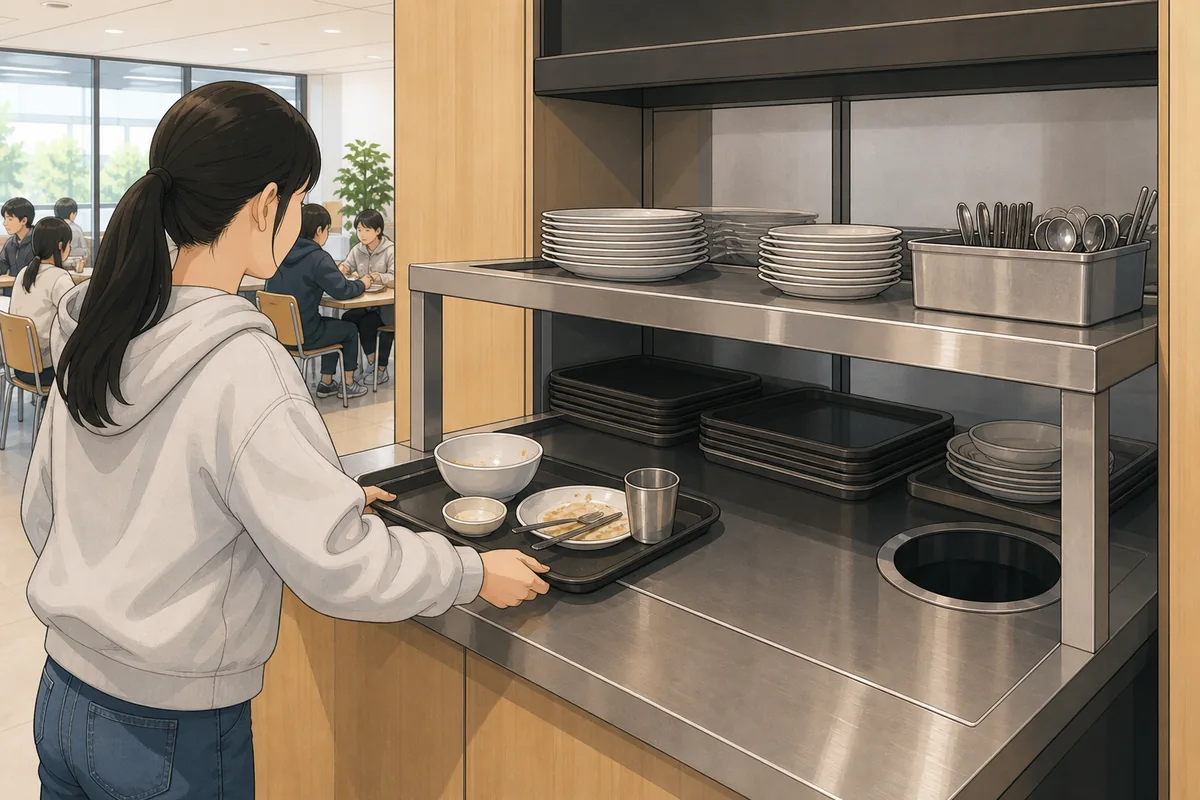
In company cafeterias, school dining halls, and hospital canteens, 식기 반납 tells you where to return plates, bowls, and utensils. Separate food waste, recycling, and trash first if bins are provided, then place the tray or dishes in the return area.
Rental Services
Bikes, scooters, umbrellas, and other rental items often use 물품 반납 or a button such as 반납하기. For app-based rentals, always confirm the return is complete. If you leave without finishing the digital step, charges may continue.
Libraries
Libraries use 도서 반납 for book returns and 반납함 for a return box or drop slot. If the library is closed, there may be an outside return box. For official library information, see the National Library of Korea website.
Gyms and Sports Facilities
Gyms and sports centers may mark key, towel, or equipment returns as 물품 반납 or 열쇠 반납. These signs usually point to a front desk or return counter.
Lockers and Tourist Facilities
Lockers at stations, attractions, and tourist sites may show a return label when you need to give back a key or complete checkout. Follow the instructions carefully so the locker or rental system closes properly.
Stores and Rental Counters
Some stores lend out strollers, wheelchairs, umbrellas, or audio guides. A 반납 카운터 means a return counter where you should bring the item back before leaving.
반납 Signs and Vocabulary You Will See

What Foreigners Often Get Wrong
Thinking It Means a Refund
The biggest mistake is assuming 반납 means a refund. It does not. It means to return an item, not to get money back.
Confusing 반납 with 반품
반품 is for returning a product you bought. 반납 is for returning something borrowed, rented, or used. The context tells you which one is correct.
Leaving Items on the Table
In many Korean self-service places, you are expected to return the item yourself. If a sign says 반납, do not assume staff will collect it later.
Skipping the Digital Return Step
For some rentals, placing the item back is not enough. You may need to press a button or finish the return in the app before the system recognizes it.
Useful Korean Phrases for 반납 Situations
Quick Checklist
- Find the return area, counter, box, or slot.
- Separate trash or food waste if needed.
- Rinse cups if the sign asks for it.
- Complete the app or kiosk return if required.
- Ask staff if you are not sure where to place it.
Warnings and Things to Check
- Rental charges may continue if the return is not completed in the app or kiosk.
- A deposit refund may be separate from the item return.
- Library late fees can still apply even if the book is physically returned.
- Some return counters have limited hours, so check before closing time.
- Venue rules can change, so follow the specific sign or staff instructions.
FAQ
What does banap mean in Korean?
Banap meaning in Korea is return. The Korean word 반납 refers to giving back a borrowed, used, or rented item.
Is 반납 the same as a refund?
No. 반납 means returning an item. Refund is usually 환불.
What should a visitor do when a visitor see 컵 반납?
Look for the cup return area and place the cup there. Some cafes also ask you to rinse it first.
Does 반납 always mean I hand the item to staff?
Not always. Sometimes you place it in a return box, slot, or shelf. In other places, you hand it to staff or finish the return on a screen.
Summary
The return process in Korea is simple: 반납 means to return or give something back. You will see it on signs for cups, dishes, books, rental items, and more. When you see it, look for the correct return area and follow the instructions for that place.
For more official travel and culture information, check the links below.
Related and Official Resources
Sources & Verification
- 한국어기초사전 — krdict.korean.go.kr
- National Institute of Korean Language — www.korean.go.kr
Last checked: July 30, 2026