Quick Rule: Pop-Up Stores in Korea
- Check the official brand or department store social media for the exact open dates before visiting.
- Look for a reservation link — many pop-ups require booking a timed entry slot in advance.
- Arrive early if there is no reservation system; walk-in queues form fast, especially on weekends.
- Confirm the pop-up is still running — short operating periods mean it may already be over.
- Check whether a Naver or Kakao account is needed to reserve; some systems require Korean phone verification.
- Treat it as an experience, not a guaranteed shopping trip — popular items sell out quickly.
Why pop up stores are everywhere in Korea
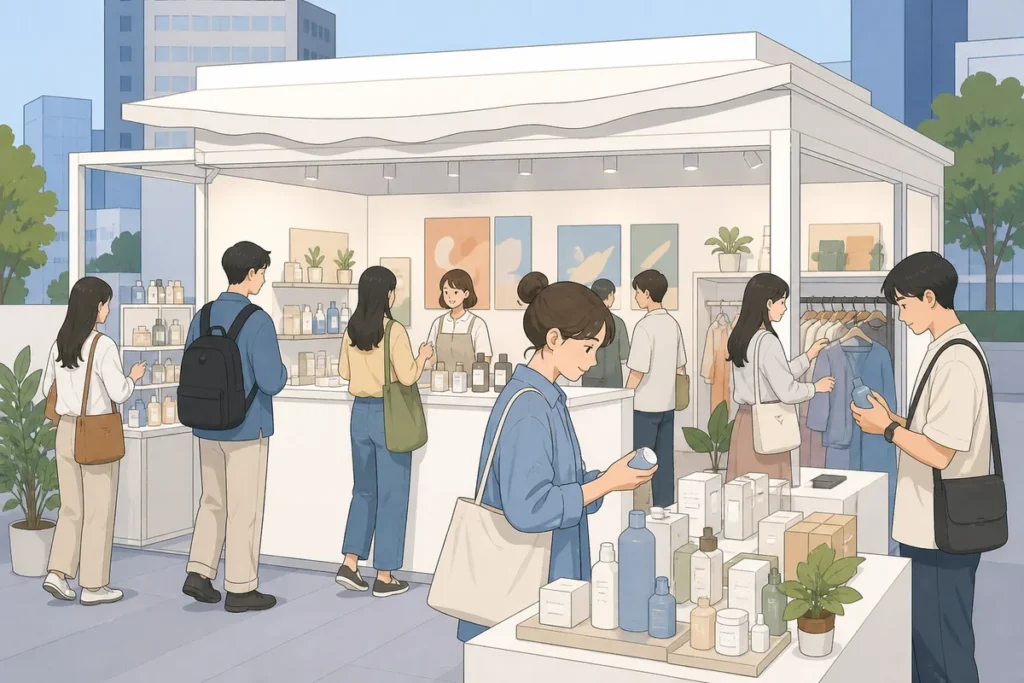
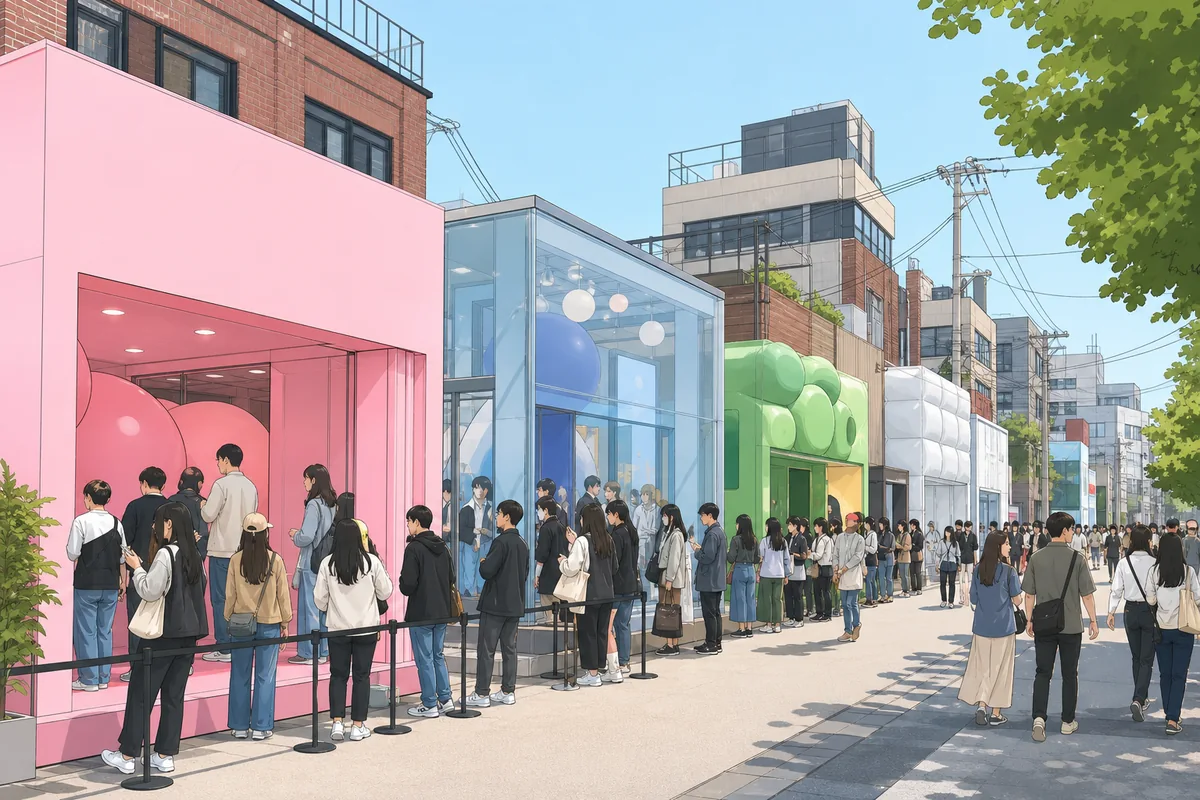
Pop up stores are everywhere in Korea because brands use them as short-term marketing events. The focus is not only selling products; it is creating a moment people want to visit, photograph, and share. A temporary store does that better than a permanent shop because the short run creates urgency, the design feels special, and visitors feel they need to go before it disappears.
Korean shoppers also respond strongly to limited-time experiences. A product that will be available forever is easy to delay. The same product available for only a few weeks suddenly feels worth a trip. Brands know that response and build pop-ups around it.
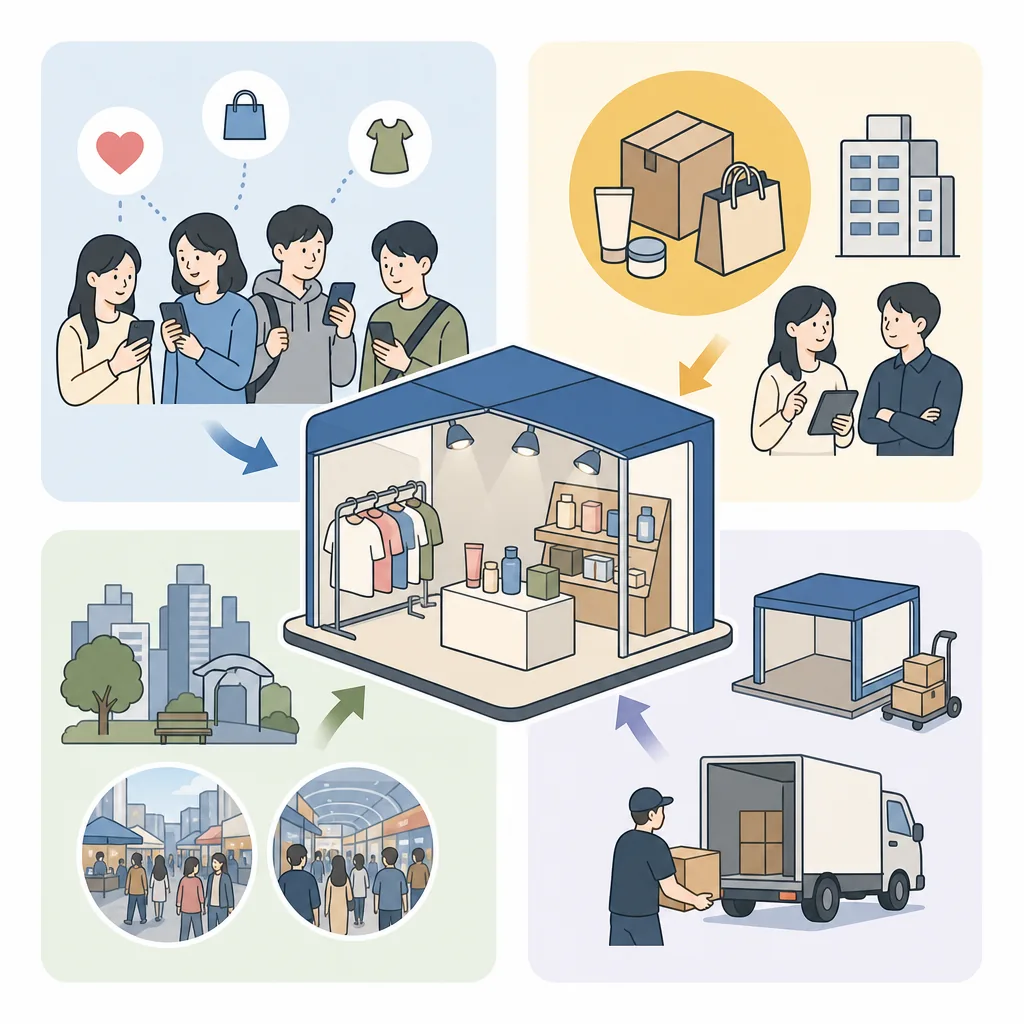
There is a practical business reason too. Opening a permanent store in Seoul takes more money and commitment. A pop-up lets a brand test a new product, measure interest, or enter the market with less risk. For many brands, it is the fastest way to get a physical presence in Korea.
What brands get from a short-term pop-up
The real goal is often attention, not just direct sales. Brands look at how many people visited, how much social media activity the pop-up created, and whether the event made the brand feel more visible. Merchandise sales help, but the bigger win is awareness.
A good pop-up is built for photos. The interior, displays, and limited-edition items are designed to make visitors want to post them online. In Korea, that kind of sharing spreads quickly and can turn a small event into a major talking point.
Brands also use pop-ups to gather useful feedback. They can see what visitors liked, what sold out first, and whether there is enough interest to justify a permanent store later. That makes the pop-up a test market as much as a retail space.
Why Seongsu and The Hyundai have so many of them
Seongsu has become one of the busiest pop-up areas in Korea because it has the right mix of trend-conscious visitors, industrial-style spaces, and strong social media appeal. Former factory buildings and warehouse-style spaces are easy to transform into striking temporary stores, and people already go there expecting to find something new.
The Hyundai Seoul in Yeouido is another major pop-up hub. It is a high-traffic department store with a steady flow of visitors, so brands like placing temporary events there because they can reach a large audience quickly. On many weekends, you will find several pop-ups running at once across different floors.
Both places have built their reputation around this culture. If you visit without checking what is currently on, you may miss the exact pop-up you came for — or find that it is already over.
Why reservations, timed entry, and queues are common
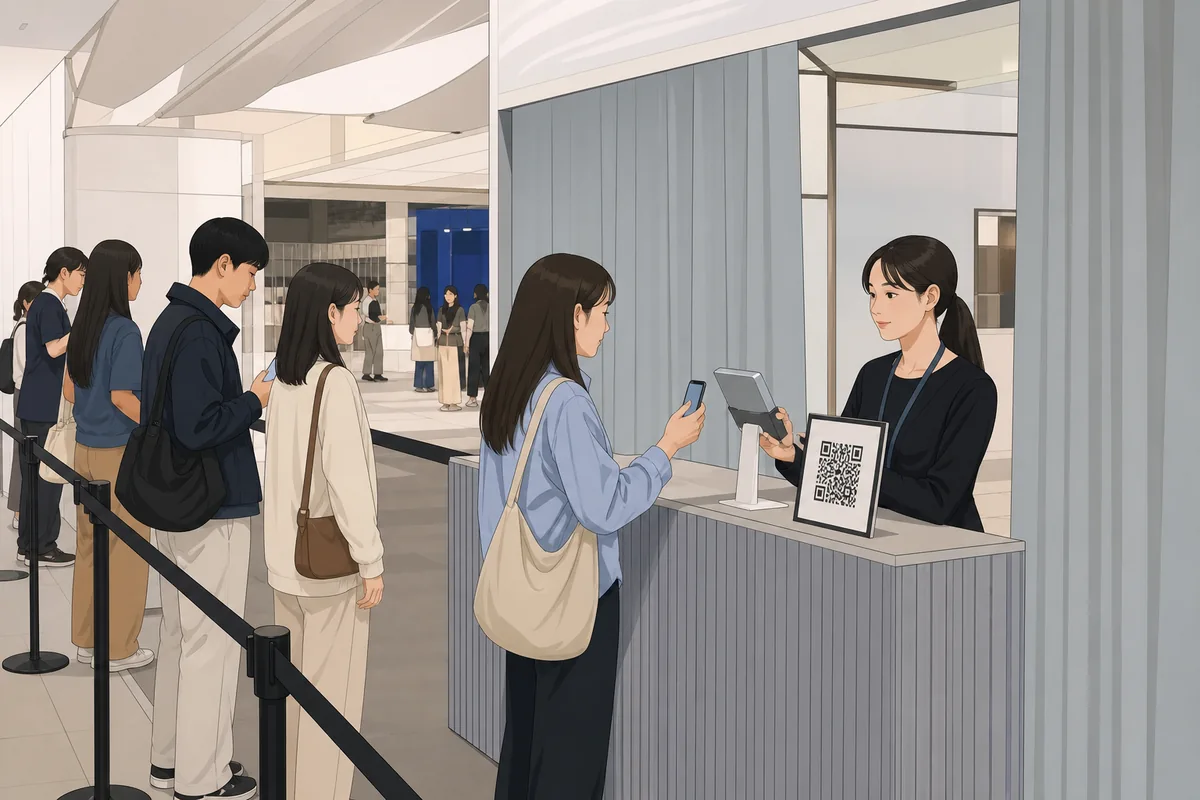
When a pop-up is small and demand is high, brands use reservations or timed entry to control the crowd. A limited space cannot handle hundreds of people at once, so the brand opens specific time slots and lets visitors in gradually. That keeps the experience manageable inside the store.
Reservation systems also add to the feeling of exclusivity. Getting a slot feels like getting access to something special, which makes the event even more desirable.
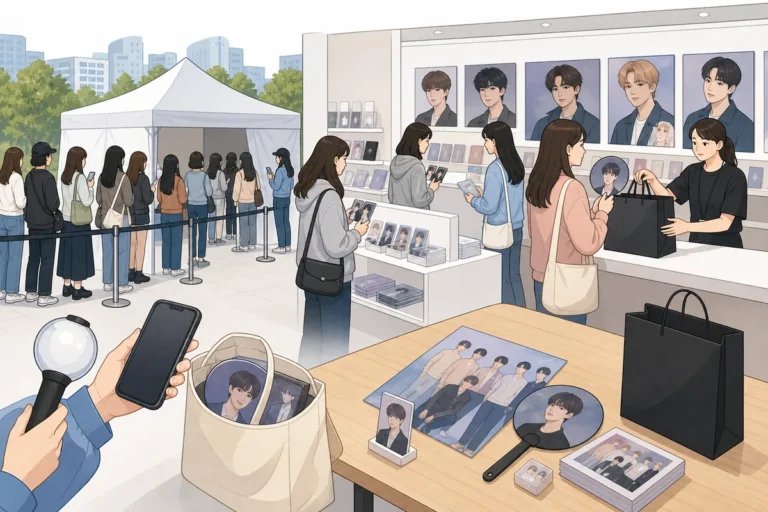
When there is no reservation system, lines form quickly. This is especially common at popular Seongsu pop-ups and at high-profile events inside The Hyundai. Some pop-ups use a same-day number ticket system, while others combine reservations for the main experience with walk-in access for the merchandise area.
Useful Korean words to recognize at pop-up stores
What visitors should check before going
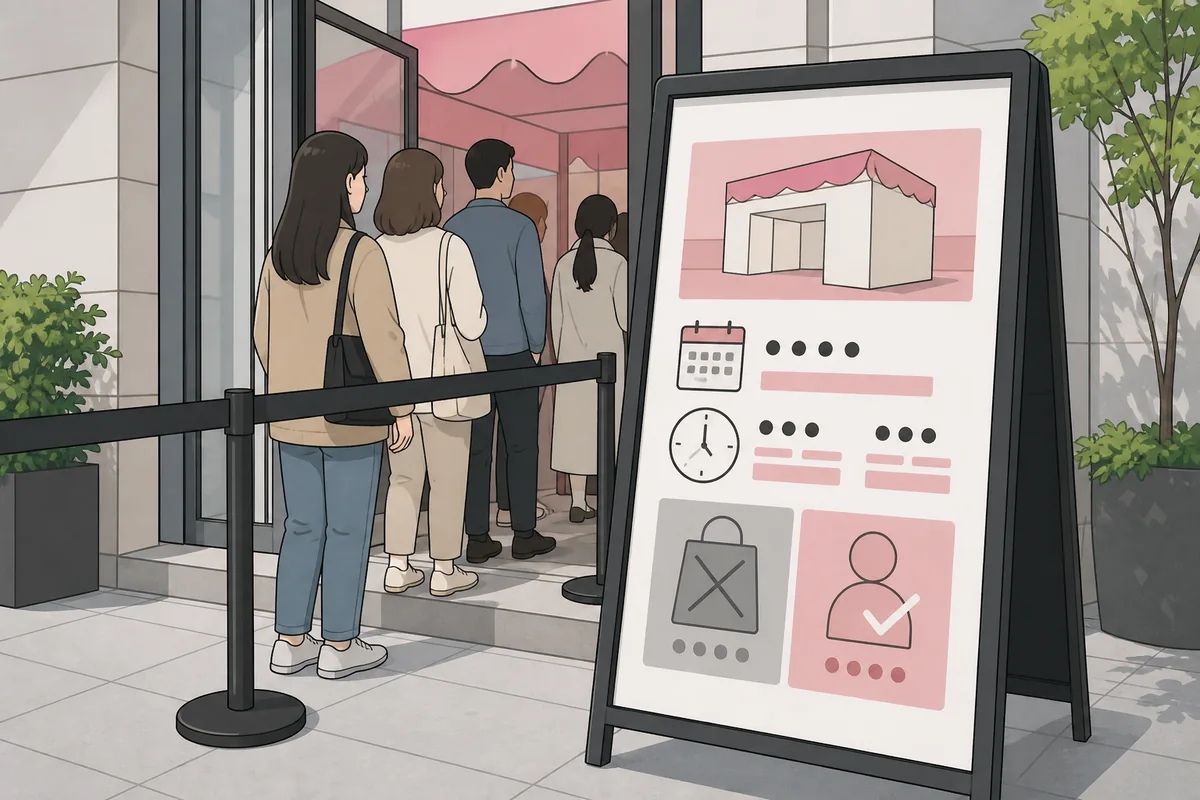
The first thing to confirm is whether the pop-up is still running. Many pop-ups last only a short time, often one to three weeks. The brand’s official social media is usually the best place to check the current schedule.
Next, check whether entry requires a reservation. The booking link is often in the brand’s Instagram bio, a Naver post, or a department store event page. Some reservation systems require a Korean phone number, so it is worth checking that detail before you plan your visit.
Also look at the opening hours and any purchase limits. Popular pop-ups often limit how many exclusive items one person can buy, so it helps to know that before you go.
If you have flexibility, weekdays are much easier than weekends. In Seongsu especially, a weekday afternoon is usually calmer and faster than a Saturday visit.
Why pop up stores in Korea are often worth planning around
For a tourist with limited time, the best pop-ups are the ones tied to a brand you already like or a product you cannot easily get at home. If a pop-up has a long line and you do not care much about the brand, it is usually not worth losing a big part of your day.
A simple rule helps: if you did not reserve a slot and the line is already long, move on unless the pop-up is a top priority. If you are mainly exploring Seongsu, treat any pop-up visit as a bonus rather than the main plan. That makes the neighborhood more enjoyable and saves you from feeling stuck in a queue.
The Hyundai is useful if you want to see the culture without committing to one brand. You can browse multiple pop-ups in one place, and many of the general areas do not require waiting. Save the reservation-only events for the brands you really want to see.
Frequently Asked Questions
Why are pop-up stores so common in Korea?
Brands use pop up stores as short-term marketing events to create urgency, generate social media attention, and test products without opening a permanent location. The format works well in Korea because limited-time experiences attract strong interest.
Why do pop-up stores in Korea need reservations?
Most pop-up spaces are small, so brands use timed entry slots to manage crowd size and keep the experience comfortable. Reservations also make the event feel more exclusive, which increases demand.
Why are there such long lines for pop-up stores in Seongsu and The Hyundai?
Both places are known for pop-up events, so they attract a lot of visitors. When a popular brand opens a short-term store in a busy location, demand rises quickly and queues form fast, especially on weekends and opening days.
How long do pop-up stores usually stay open in Korea?
Many Korean pop-ups run for one to four weeks, and some high-profile events last only a weekend. Always check the operating period on the brand’s official channel before going.
Note: This guide is for travel navigation in Korea. It is not medical, legal, or emergency professional advice. For urgent situations, contact local emergency services, official staff, or your embassy/consulate as appropriate.
Related Korea Guides
Sources & Verification
- VISITKOREA – Imagine Your Korea — english.visitkorea.or.kr
Last checked: July 30, 2026