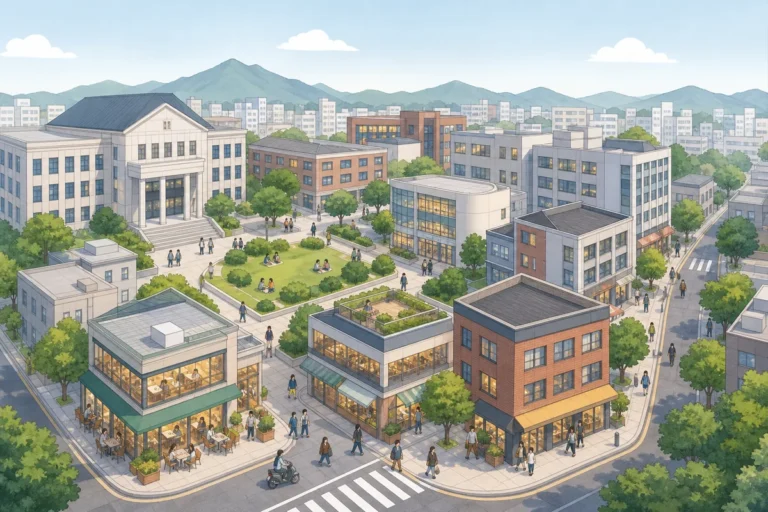
Why Daejeon Middle Everything: What You Need to Know
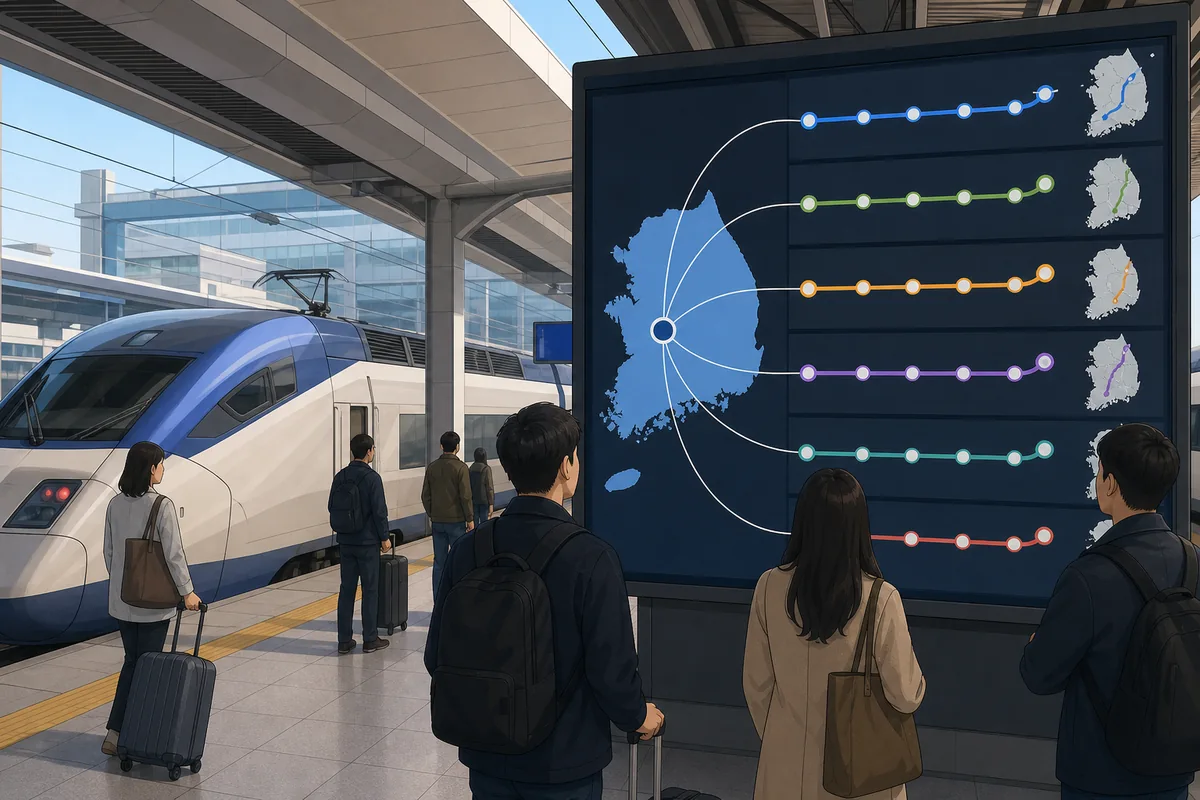
daejeon science city is in the middle of everything because Daejeon sits at the center of Korea’s main rail routes and became a national hub for research and administration. If you keep seeing it on KTX maps, that is because the city links Seoul, Busan, and the southwest through one of the country’s most important rail junctions.
What to Do First
- Check the station name on your ticket first. Daejeon Station and Seodaejeon Station are different stops.
- Use Daejeon Station if you are changing KTX lines or moving between major intercity routes.
- Keep in mind that the science district is north of the station area, not next door.
- If you want a short city stop, focus on the station area and Jungang Market.
- Look for the Gyeongbu Line and Honam Line on rail maps to understand why Daejeon matters so much.
When This Guide Helps
daejeon science city is the phrase you need when you want a simple explanation for why Daejeon appears so often on Korean train maps and city lists. This guide helps if you are passing through on KTX, trying to understand the city’s role in Korea, or deciding whether Daejeon is worth a stop between Seoul and Busan.
This is not a sightseeing rundown. It is a practical guide to how Daejeon works as a city, why it sits where it does, and what travelers actually notice once they arrive.
Korea’s Geographic Center and Why It Matters
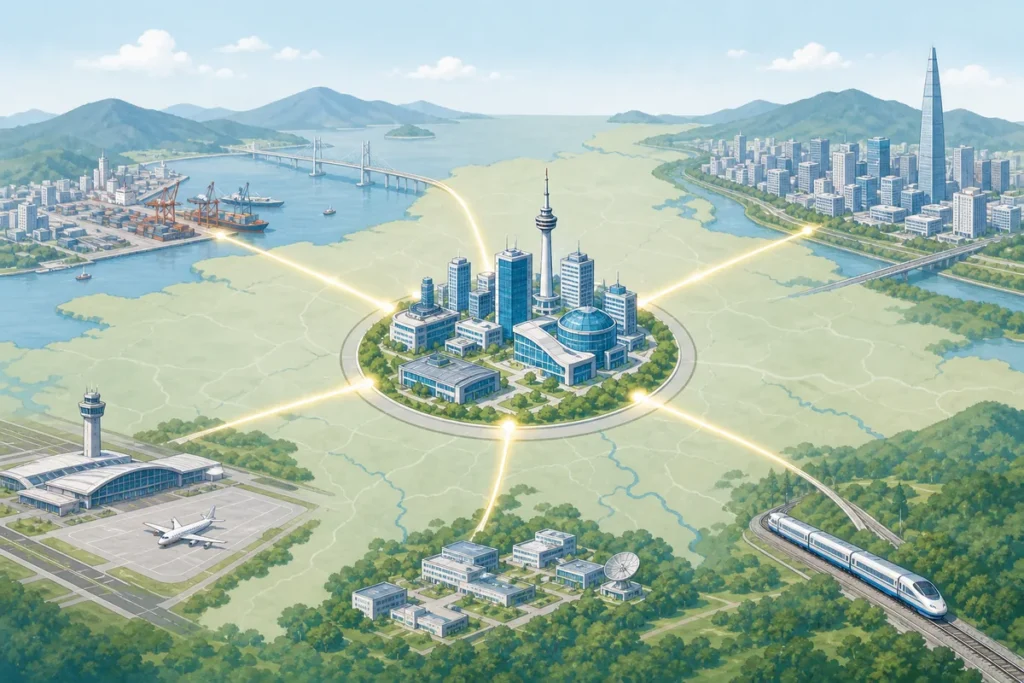
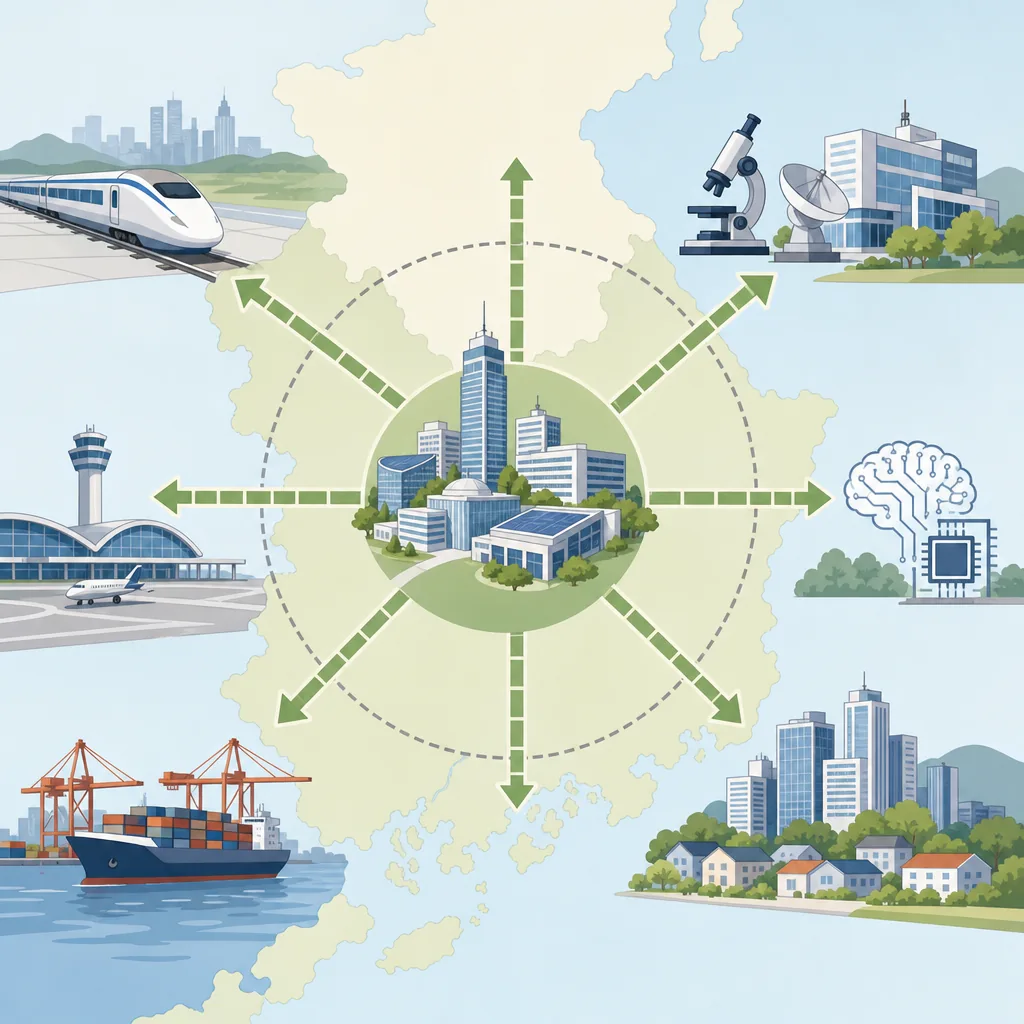
daejeon science city makes sense once you look at the map. Daejeon sits in the central corridor of the Korean Peninsula, so it naturally became a meeting point for rail lines, highways, and national services. It is not the biggest city in Korea, but it is one of the most strategically placed.
The city’s rail importance comes from the split between the Gyeongbu Line, which continues toward Busan, and the Honam Line, which branches toward Gwangju and Mokpo. That is why so many long-distance trains pass through Daejeon. For rail travel, it is a true junction city.
How Daejeon Became a Science City
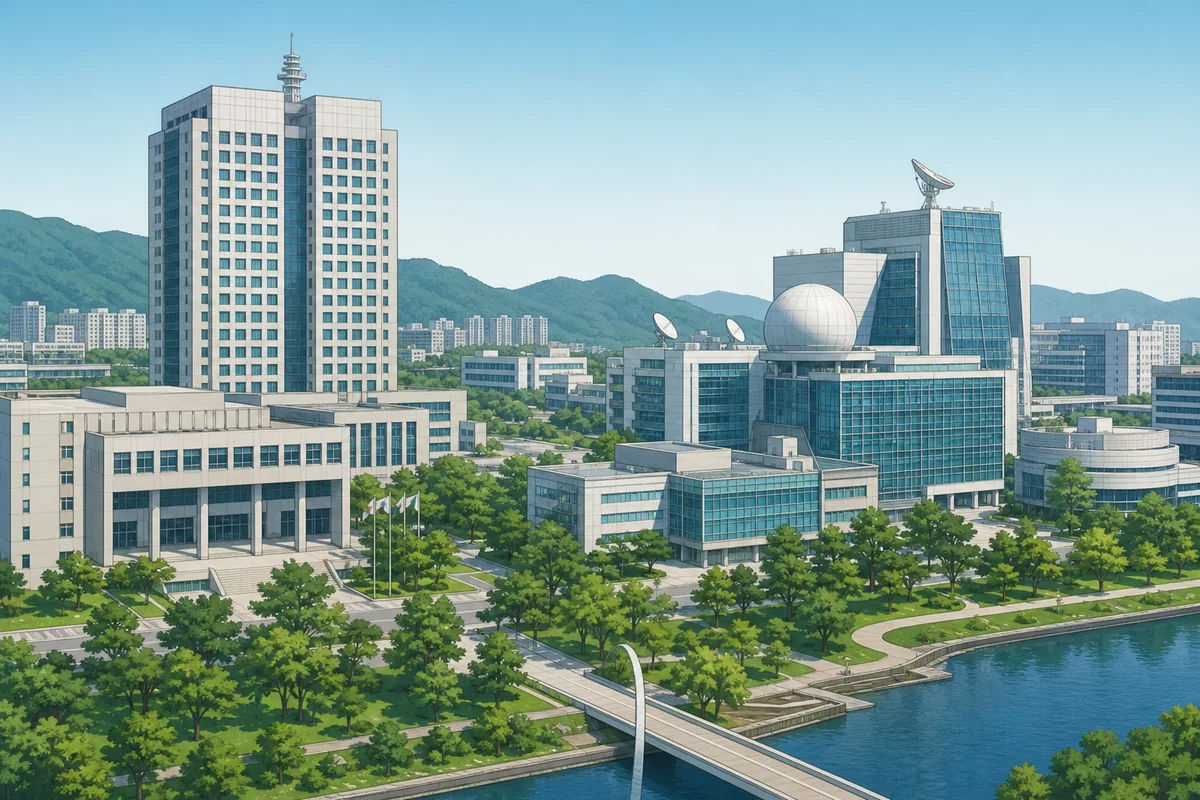
The label daejeon science city comes from Daedeok Innopolis, a planned research district in the northern part of the city. The Korean government concentrated research institutes, universities, and technology organizations there so science and innovation could grow in one connected area.
That planning gave Daejeon a clear identity. Instead of developing only as a transit stop, it also became a center for national research and high-tech work. Visitors usually notice that the science district feels more institutional and spacious than a typical dense city neighborhood.
Government Presence and City Growth
Daejeon also gained weight through government relocation and city planning. Several national agencies and public institutions are based here, which helped the city grow beyond its rail role. Nearby Sejong City strengthened that administrative corridor even more, but Daejeon remained the established center with strong transport links and a larger urban core.
The city’s growth pattern is easy to read: an older downtown around Daejeon Station, a separate research zone in Daedeok, and local neighborhoods and markets filling in between. That mix is why the city feels both practical and lived-in.
What You Will Actually Experience at Daejeon Station
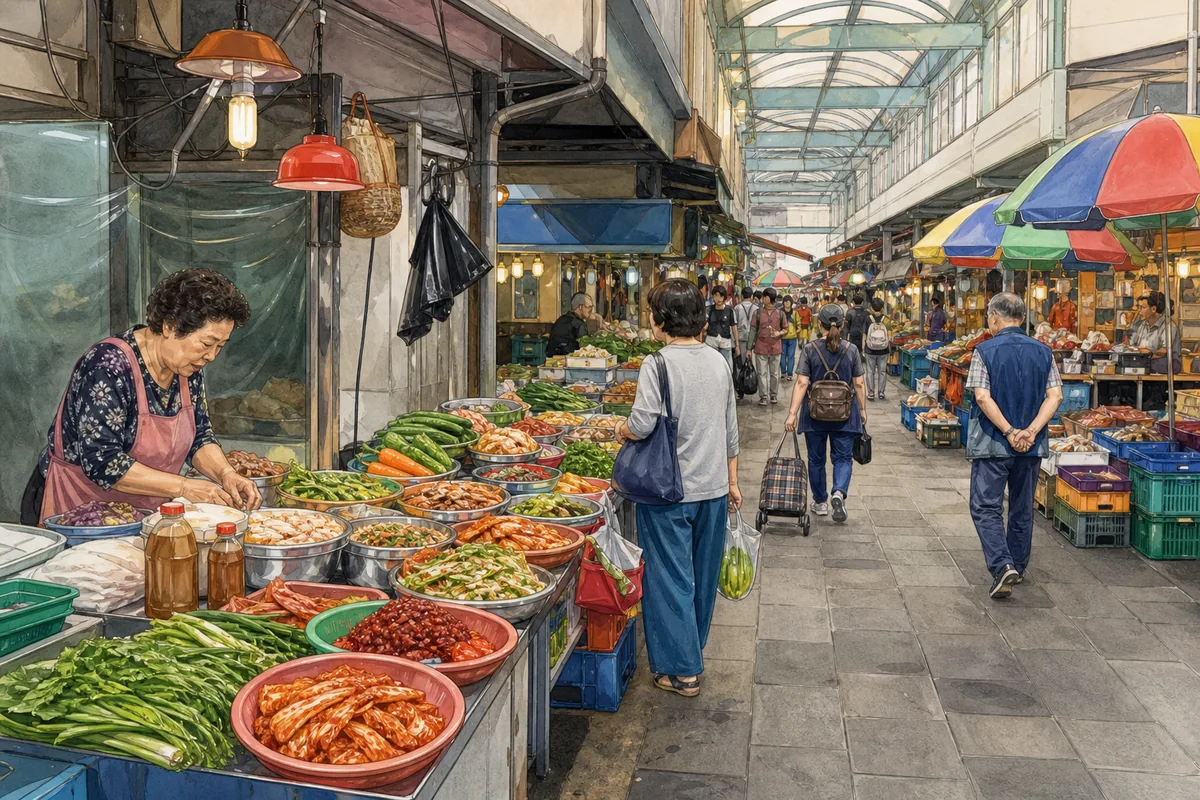
daejeon science city is easiest to understand once you step into the station area. Daejeon Station is large, clearly signed, and built for transfers. English signs are common, and station staff can help with platform numbers, train directions, and basic city navigation.
Right around the station, you will find convenience stores, local restaurants, bus connections, and a working city-center atmosphere. Jungang Market is nearby and gives a more everyday view of Daejeon beyond the rail network. If you are heading to the science district, plan another ride; it is not a walking distance from the station.
How the daejeon science city label helps travelers
For travelers, Daejeon is useful because it is easy to read on the map. If your trip runs between Seoul and Busan, or between Seoul and the southwest, Daejeon often marks the main rail decision point. That makes it a convenient transfer city and a good place to break a long journey.
It also helps explain the city’s feel. Daejeon is not built around one tourist attraction. It is built around movement, research, and everyday urban life. That is why it appears so often in practical travel planning.
Korean Phrases You Can Show
Useful Korean Signs or Words
Where to Get Help in Daejeon
If you are unsure where to go, the main help point is Daejeon Station’s staffed information desk. Staff can help with platform numbers, train times, and basic directions. For local movement, bus stop boards and station signage are the most useful tools.
If you need city maps or local visitor help, look for tourism information near the station area. Daejeon is easy to navigate once you understand the station split, the downtown area, and the science district as separate zones.
Common Mistakes
- Mixing up Daejeon Station and Seodaejeon Station. They are different places and serve different routes.
- Expecting the science district to be next to the station. Daedeok is a separate trip by bus or taxi.
- Thinking Daejeon is only a transfer point. It has a real downtown and a busy market area.
- Confusing Daejeon with Sejong. They are nearby but not the same city.
- Ignoring the rail split at Daejeon. Understanding the Gyeongbu and Honam lines makes Korea train travel much easier.
For official information, check Visit Korea official travel information.
FAQ
Why is Daejeon called Korea’s science city?
Because Daedeok Innopolis was built as a concentrated research district, bringing national institutes, universities, and technology organizations into one place. That planning gave Daejeon its science city identity.
Is Daejeon a good stop between Seoul and Busan?
Yes. It is one of the easiest places to break a long KTX trip, and the station area is practical for a short city stop. You can also get a feel for a working Korean city instead of just passing through.
What is Daejeon known for besides KTX?
It is known for the Daedeok research district, national institutions, local markets, and a strong everyday city center. Expo Science Park also adds to its science-related identity.
Why do so many trains go through Daejeon?
Because it sits on the main rail corridor where the Gyeongbu and Honam lines connect. That makes it one of Korea’s main rail junctions.
The Short Version
this topic is Korea’s central hub because the city combines rail geography, research planning, and government presence in one place. Travelers see it on KTX maps because it sits at a major rail split, and they hear the science-city label because of Daedeok Innopolis and the national institutes clustered there. If you understand Daejeon, Korea’s train network and city structure make much more sense.
Why Daejeon Middle Everything becomes easier to handle when you recognize the situation and follow the practical steps above.
Why Daejeon Middle Everything becomes easier to handle when you recognize the situation and follow the practical steps above.
Note: This guide is for travel navigation in Korea. It is not medical, legal, or emergency professional advice. For urgent situations, contact local emergency services, official staff, or your embassy/consulate as appropriate.