Daegu Explained: What You Need to Know
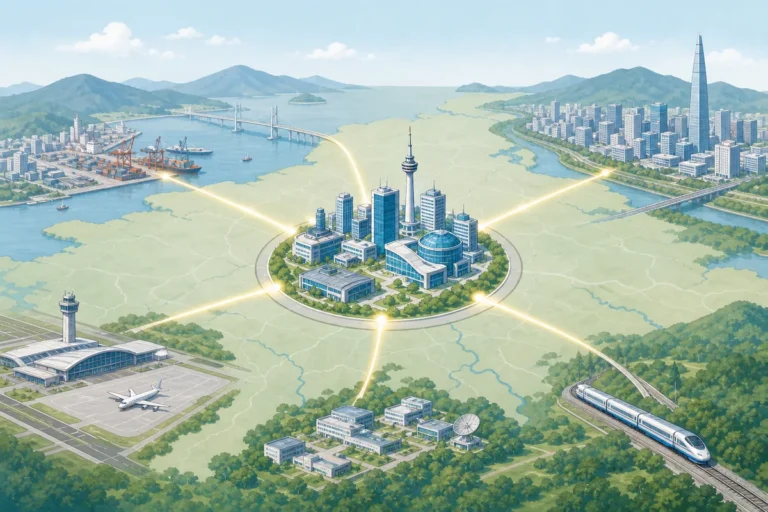
Daegu explained in one idea: it is a large inland city with its own rhythm, shaped by summer heat, textile history, Seomun Market, and old downtown alleys that make it feel unlike Seoul or Busan.
What to Do First
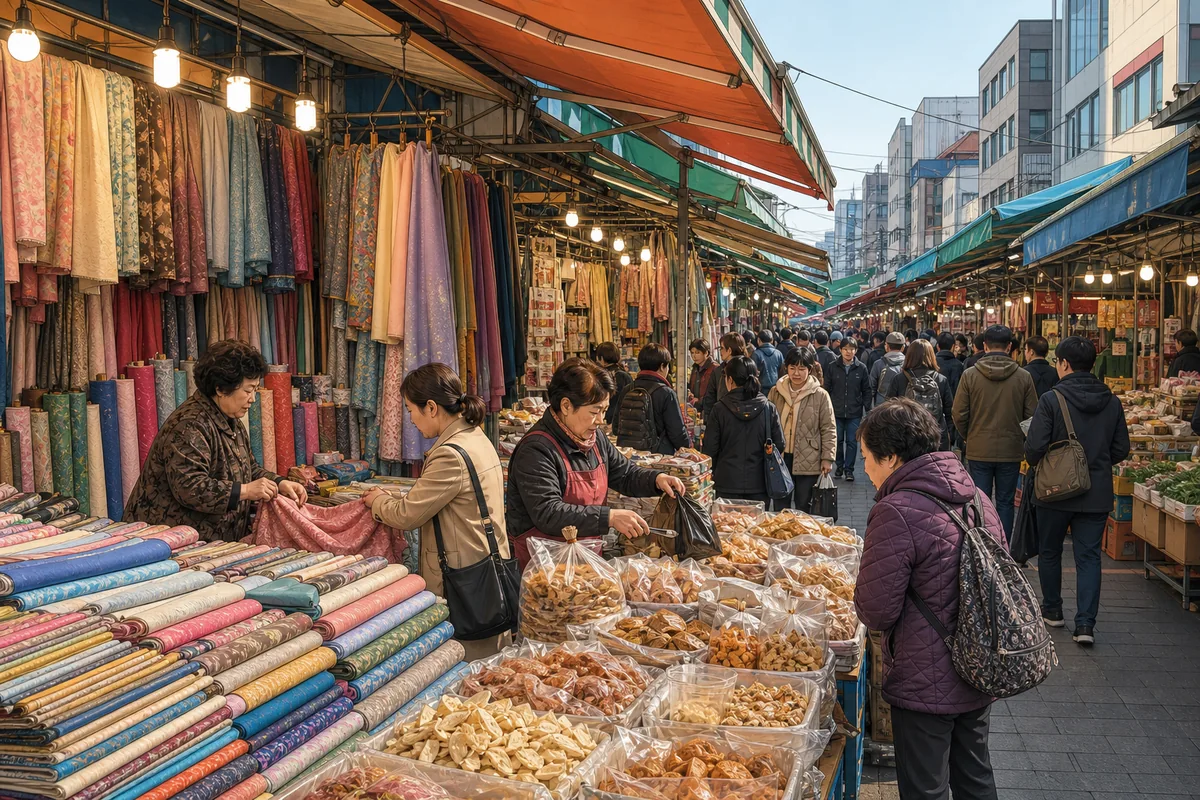
- Start at Seomun Market to feel the city’s commercial heartbeat
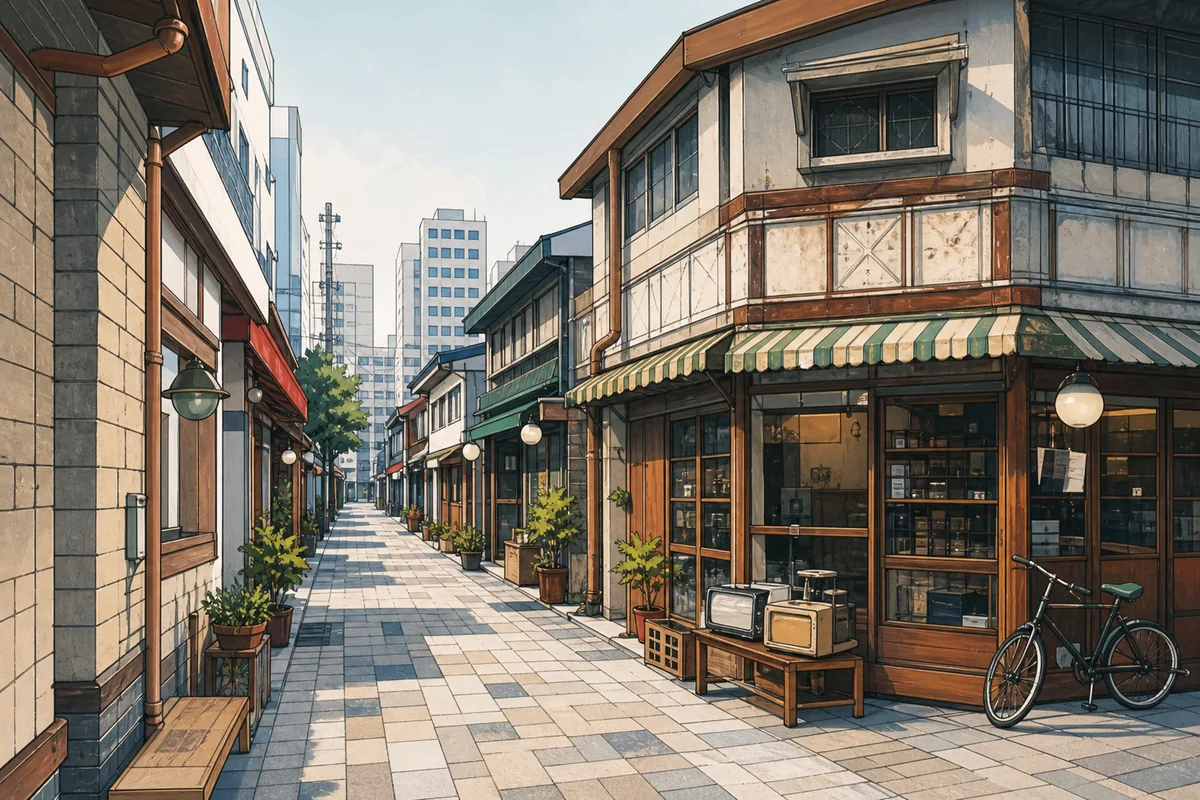
- Walk the modern alleys in Jung-gu to see how old downtown history still sits on the street
- Notice fabric and clothing shops, which reflect Daegu’s textile past
- Plan indoor breaks in summer because the heat can be intense
- Try local names like napjak mandu and ttaro gukbap
- Use the subway as your main navigation tool; the system is easy to follow
When This Guide Helps
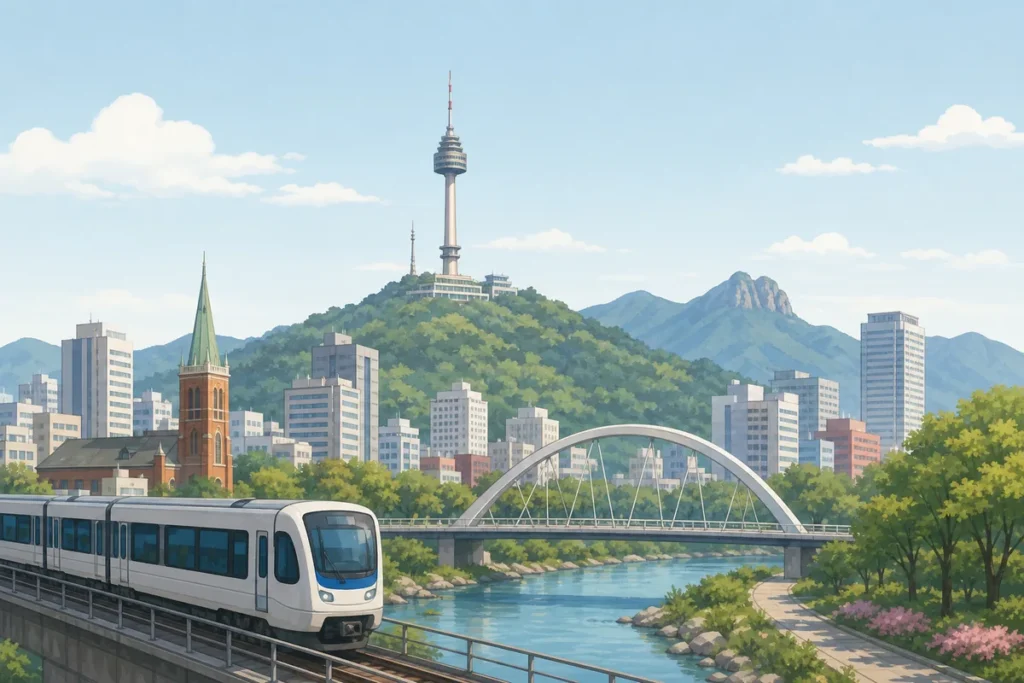
Daegu explained is useful if you know Seoul or Busan but cannot quite place Daegu’s mood. The city does not present itself through a sea view or a big river. It feels more compact, more commercial, and more local, with a downtown that still runs on markets, old streets, and neighborhood routines.
It also helps if you are arriving with only a day or two. Once you understand the city’s logic, Daegu becomes easier to read on foot.
What Makes Daegu Feel Different
Inland geography shapes the pace
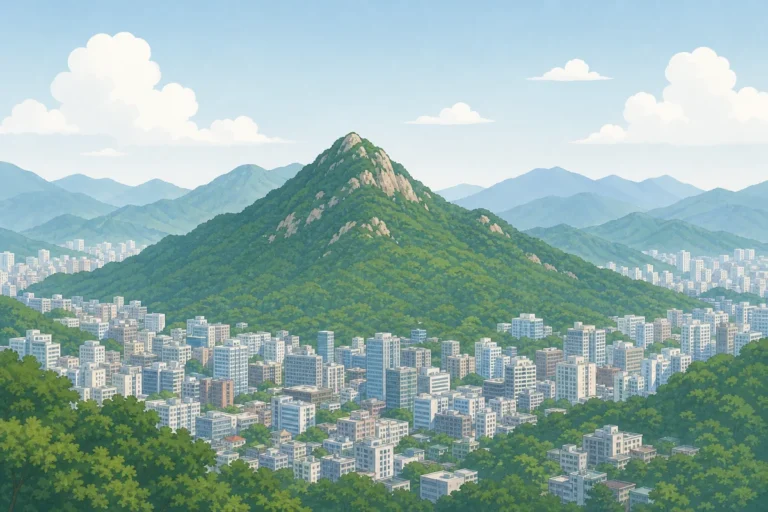
Daegu sits inland in a basin, and that changes the feel of the city. Without a coastline to define the landscape, the city turns inward toward markets, shopping streets, and neighborhood blocks. The result is a city that feels practical and concentrated rather than scenic and expansive.
This is one reason Daegu feels different from Busan, which opens toward the sea, and from Seoul, where riverfronts and wide urban layers shape the view. In Daegu, daily life is more street-level and less about landmarks.
Textile history still shows up on the street
Daegu was once a major center of Korea’s textile and fabric industry. That history still shows in the city center, where fabric shops, clothing wholesalers, and trade-oriented blocks are part of normal everyday scenery.
You do not need to visit a museum to notice it. In Daegu, the old industry is visible in the street pattern, the shop signs, and the dense commercial blocks around downtown.
Seomun Market is a working market, not just a sightseeing stop
Seomun Market is one of the clearest reasons Daegu feels distinct. It is large, busy, and still used by locals for everyday shopping, especially in sections tied to fabric, clothing, and food.
That working atmosphere matters. You are not walking through a set piece made for visitors. You are walking through a living market that reflects how Daegu has traded, eaten, and moved for decades.
The modern alleys show history without feeling frozen
Daegu’s modern alleys in Jung-gu are one of the best places to understand the city. The route brings together old storefronts, heritage buildings, narrow lanes, and signs of early twentieth-century urban life in a compact walkable area.
What stands out is how lived-in it feels. The streets are historic, but they are not sealed off. Shops, cafes, and small businesses still make the area part of daily city life.
The heat changes how the city works
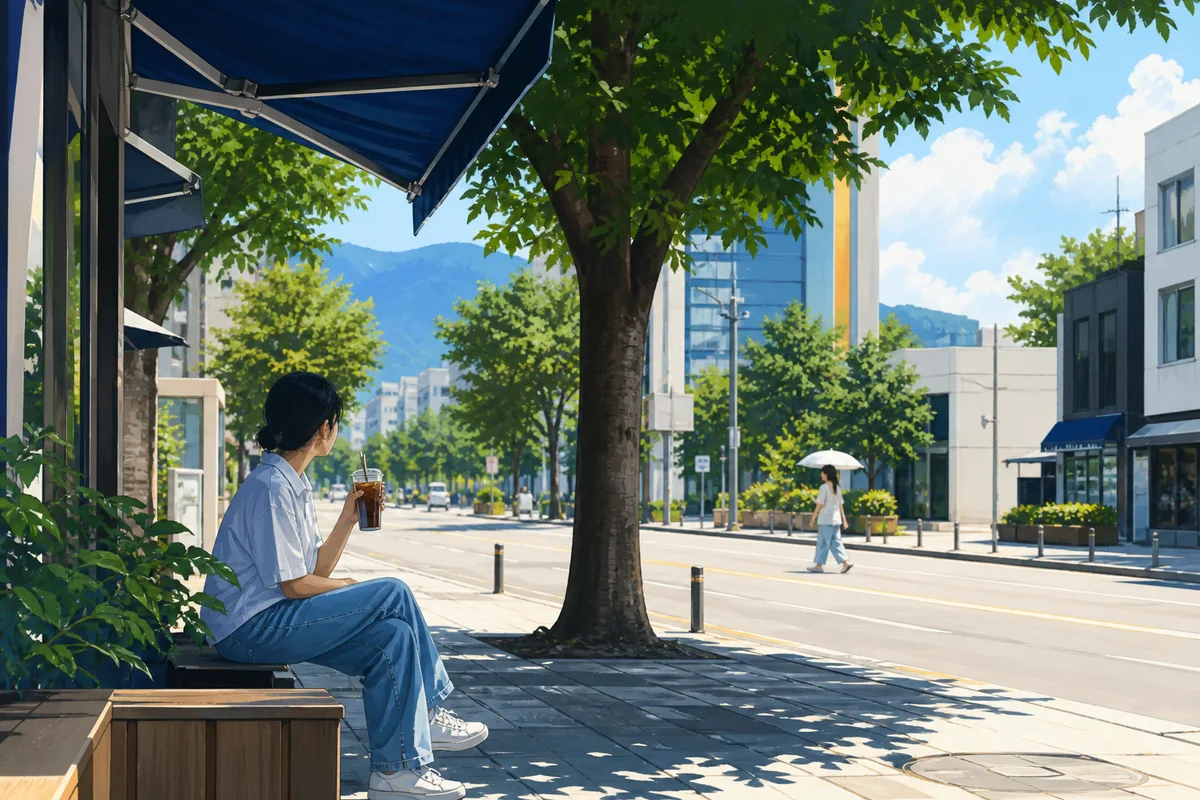
Daegu is widely known for hot summers, and that heat affects the rhythm of the city. Covered market areas, subway connections, and indoor rest stops become part of normal travel planning.
For visitors, that means the best way to understand Daegu is not to rush around in the afternoon heat. Early mornings, evenings, and shaded downtown streets are the easiest times to enjoy the city.
What the Food Tells You
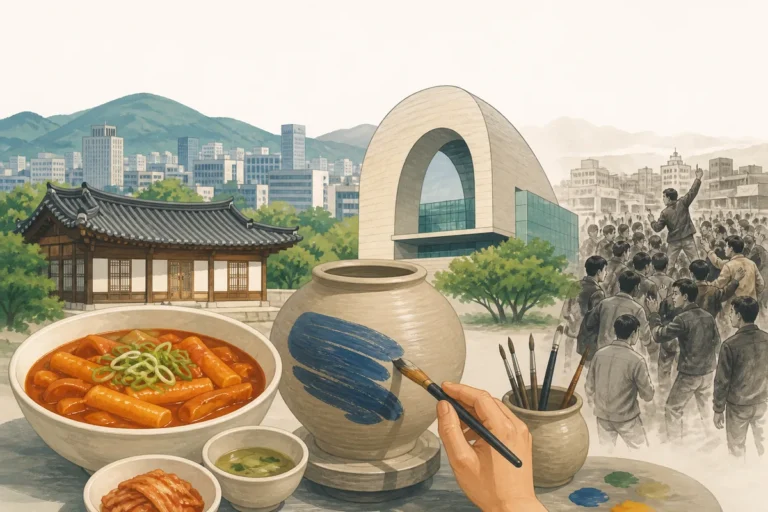
Daegu food matches the city’s practical, direct personality. Dishes like napjak mandu and ttaro gukbap are closely associated with the city and show up often in local market areas and downtown restaurants.
The food tends to feel straightforward, filling, and strong in flavor. That fits a city built on trade, work, and everyday routines rather than on a highly polished tourist image.
How Daegu Compares to Seoul and Busan
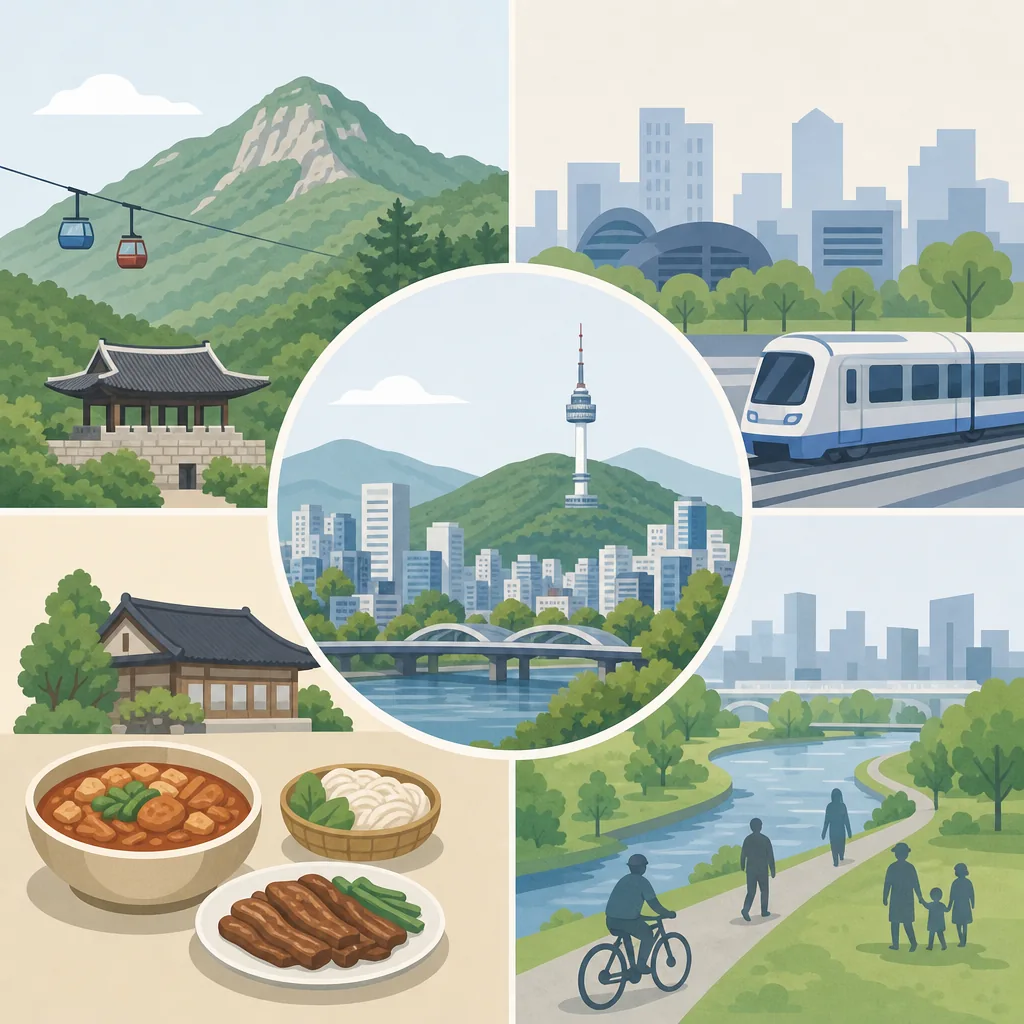
Simple comparison: Seoul feels fast and layered, Busan feels coastal and open, and Daegu feels inward, commercial, and neighborhood-driven. If you keep that contrast in mind, the city starts to make sense quickly.
- Seoul: larger, faster, and more obviously capital-centered
- Busan: shaped by the sea, ports, and coastal movement
- Daegu: inland, market-based, and built around downtown commercial life
Lee Says
I think Daegu is easiest to understand when you stop looking for a grand skyline or waterfront view. The city’s identity is in the market aisles, the fabric streets, the old downtown lanes, and the heat that pushes life indoors and into covered spaces.
Korean Phrases You Can Show
Useful Korean Signs or Words
Where to Get Help
If you want to orient yourself, start with the tourist information desk at Dongdaegu Station or ask at Seomun Market’s information points. Staff there can help with maps, market sections, and basic directions.
Daegu’s subway stations also have clear English signage, so the metro is a reliable way to move between downtown areas, Banwoldang, and other key stops.
Common Mistakes
- Passing through Daegu without leaving the station
- Going to Seomun Market and expecting a staged tourist market
- Ignoring the modern alleys because they look too quiet at first
- Underestimating summer heat and skipping indoor breaks
- Looking for a waterfront atmosphere that the city does not have
The Short Version
Daegu feels different because it is inland, market-driven, and shaped by textile history, old downtown streets, strong food culture, and hot summers. Once you see Seomun Market, the modern alleys, and the fabric-heavy city center, the city’s personality becomes much easier to read.
For official information, check Visit Korea official travel information.
FAQ
Why does Daegu feel different from Seoul and Busan?
Daegu is inland, so it does not build its identity around a river or the sea. Its atmosphere comes from markets, textile history, old downtown streets, and a city rhythm that feels more local and neighborhood-focused.
What is Seomun Market known for in Daegu?
Seomun Market is known for its size, its long history, and its role as a real working market. Fabric, clothing, food, and local shopping all come together there, which makes it one of the clearest places to understand the city.
Is Daegu very hot compared with other Korean cities?
Yes. Daegu is one of the hottest major cities in Korea during summer, so visitors usually plan more indoor breaks and shorter outdoor walks in the middle of the day.
What are modern alleys in Daegu?
The modern alleys are a heritage walking area in Jung-gu with old storefronts, narrow lanes, and historic buildings. They are one of the best places to see how older city layers still remain in downtown Daegu.
Note: This guide is for travel navigation in Korea. It is not medical, legal, or emergency professional advice. For urgent situations, contact local emergency services, official staff, or your embassy/consulate as appropriate.