Tourist Misunderstandings: What You Need to Know
tourist misunderstandings in Korea are usually easy to fix: you do not tip in most places, English works in tourist areas but not everywhere, cash is still useful as backup, Korean food ranges from mild to very spicy, and transit is straightforward once you get a T-money card.
What to Do First
- Do not leave a tip at restaurants, cafes, or taxis unless a bill or sign clearly says otherwise.
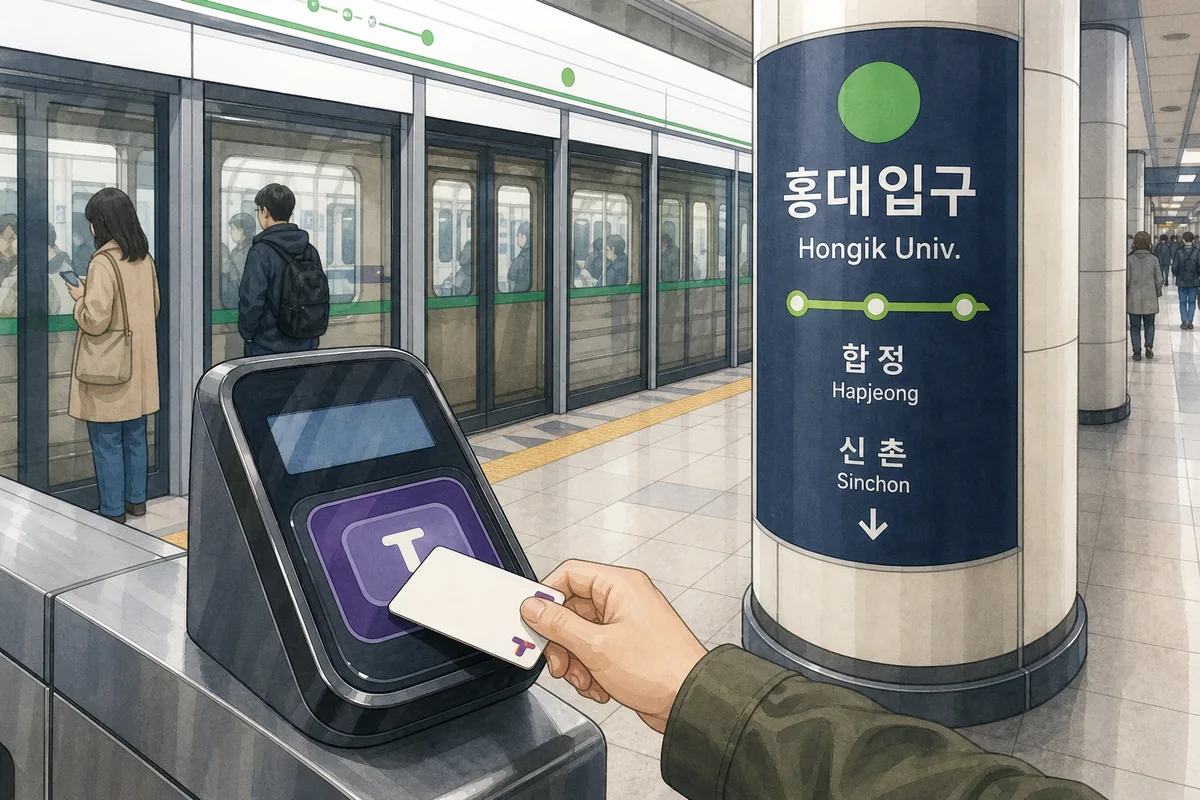
- Pick up a T-money card at a convenience store before your first subway or bus ride.
- Keep a small amount of cash for markets, street stalls, and older local shops.
- Use Naver Map or Kakao Map for directions in Korea.
- Show a Korean phrase on your phone when ordering food, asking about payment, or taking a taxi.
When This Guide Helps
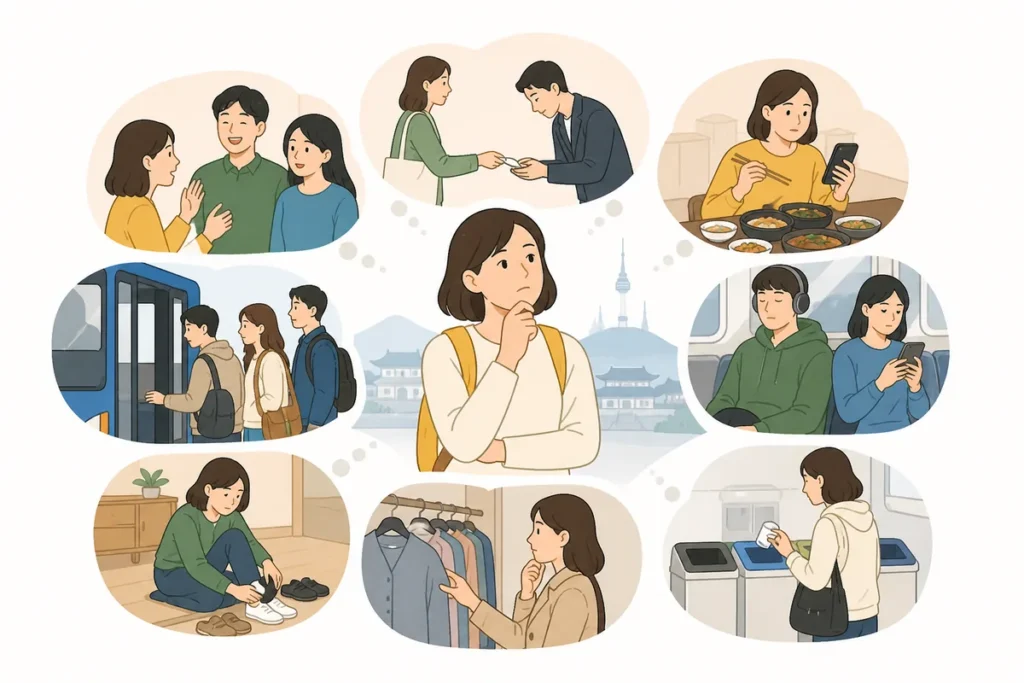
tourist misunderstandings in Korea usually start with a few assumptions from social media or older travel advice. This guide clears up the practical stuff before you arrive, so you can handle meals, transport, payments, and neighborhood travel without guessing.
It is especially useful if this is your first trip, if you do not speak Korean, or if you plan to visit places outside the most obvious tourist zones.
What Tourists Commonly Get Wrong
1. You are expected to tip
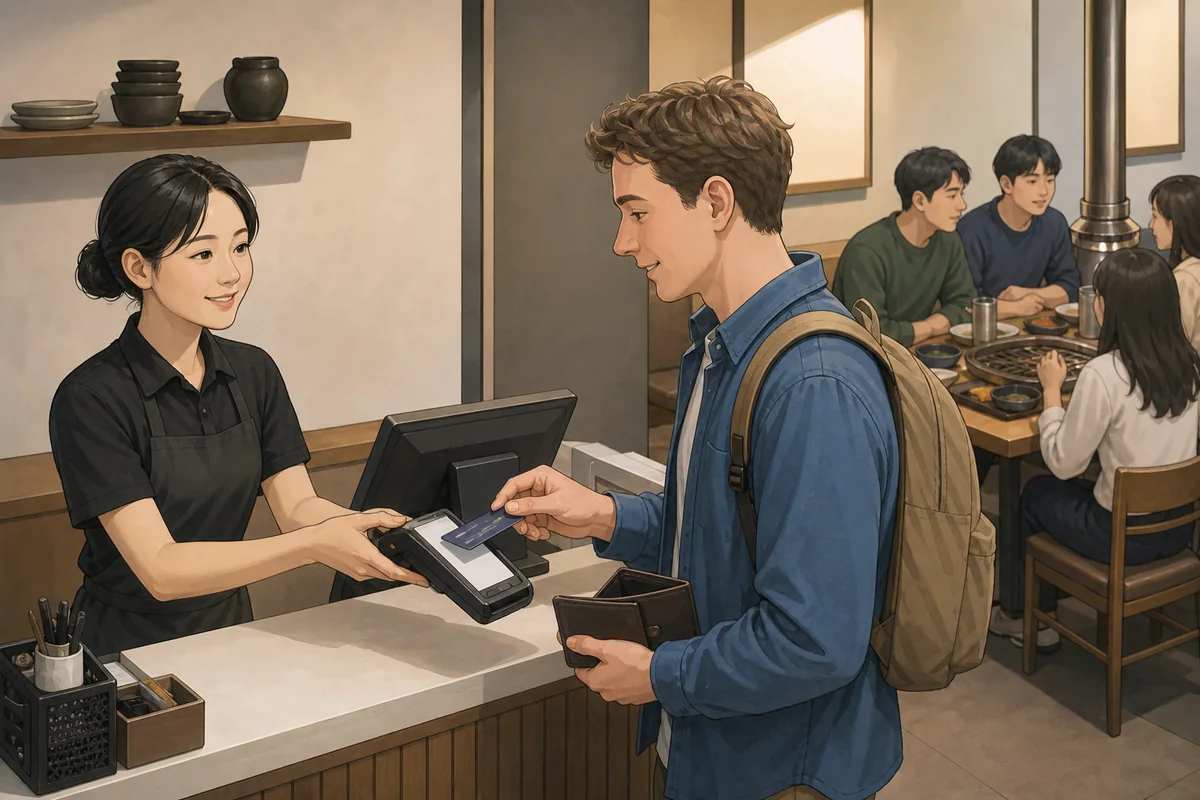
In most everyday places, tipping is not part of the normal bill in Korea. Restaurants, cafes, taxis, and hotels generally expect you to pay the listed price only. If you leave extra money, staff may try to return it because it looks like you forgot change.
2. English is available everywhere
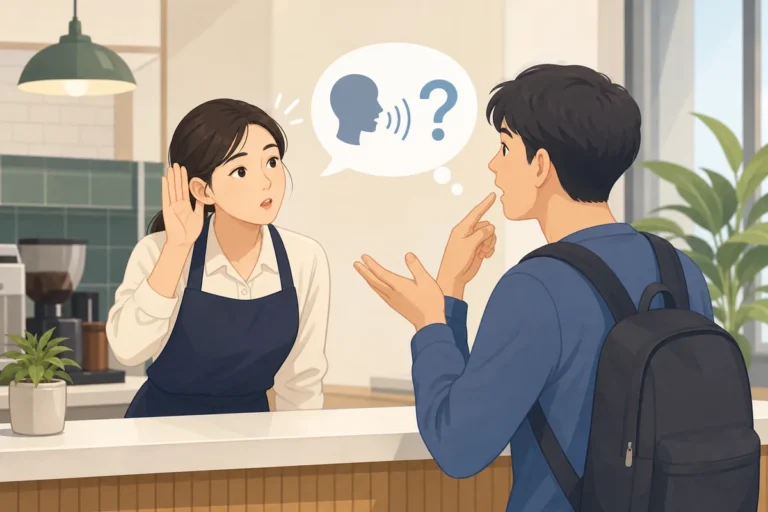
English is common in airports, major hotels, subway stations, and popular tourist streets. It is much less common in small neighborhood restaurants, traditional markets, and older local businesses. A translation app and a few saved Korean phrases go a long way.
3. You will need a lot of cash
Most larger shops and transit systems accept cards, so you do not need to carry piles of cash. That said, cash is still useful for street food, some market stalls, and smaller local places. A modest backup amount is enough for most trips.
4. Korean food is always spicy
Some famous dishes are spicy, but many are not. Grilled meats, noodles, rice bowls, and plenty of soups can be mild. If you want less heat, ask before ordering or show a phrase that says you want it not spicy.
5. Transit is hard to use
Transit in Korea is one of the easiest parts of the trip once you know the basics. Subway signs are usually bilingual in major cities, stations are clearly numbered, and buses and trains are well organized. The main thing to learn is how to tap in and out with a transit card.
6. Taxis are difficult
Taxis are practical and widely used. The easiest method is to show your destination in Korean on your phone or use a ride-hailing app that handles the address for you. For late-night trips, it helps to expect a short wait near busy nightlife areas.
7. Nightlife is chaotic everywhere
Korea has busy nightlife districts, but they are concentrated in specific areas rather than spread across every neighborhood. Streets can be lively late at night, convenience stores stay busy, and many places are orderly. The practical issue is usually transport home after the last subway train.
8. Seoul is the only place that works for tourists
Seoul is the easiest starting point, but it is not the only city that is manageable. Busan, Gyeongju, Jeonju, and many other places have clear visitor infrastructure, especially in central districts and around major attractions.
9. Korea is unsafe for ordinary travelers
For most visitors, normal city awareness is enough. Keep an eye on your belongings in crowds, stay alert late at night, and use staffed places when you need help. Serious trouble is not the daily travel reality most visitors imagine.
10. You need to know Korean well before you go
You do not need strong Korean to travel well in Korea. A few useful phrases, a map app, and clear destination names are enough for many situations. Written Korean on your screen is often more useful than trying to say a long sentence.
Korean Phrases You Can Show
Useful Korean Signs or Words
Where to Get Help
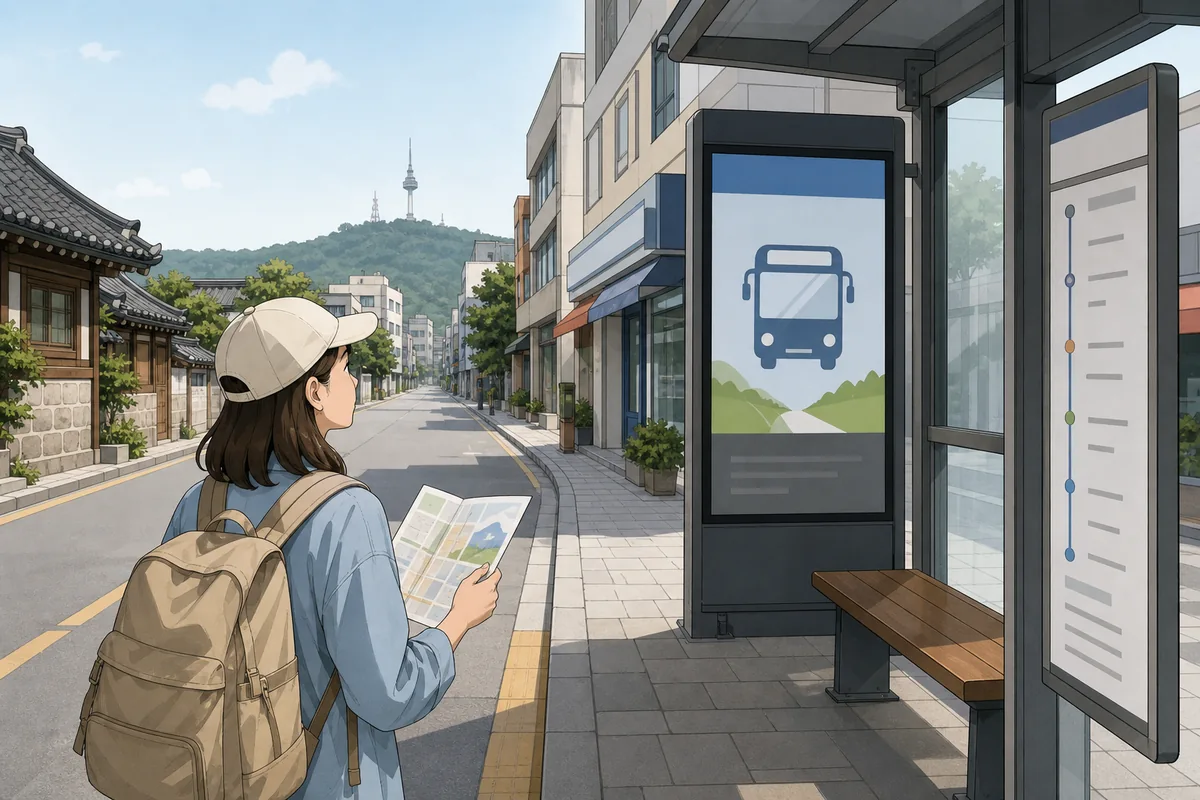
If you need help finding a route, reading a sign, or solving a normal travel problem, staffed places are your best option.
- Tourist information centers: Good for maps, directions, and basic travel questions.
- Hotel front desks: Useful for local directions and transport advice.
- Convenience store staff: Helpful for buying transit cards, topping up cash, or finding a nearby ATM.
- Official tourism phone support: Helpful for general visitor questions and route guidance.
Do not assume one travel rule applies everywhere in Korea. The safest approach is to check the sign, show your destination, and ask staff when the situation is unclear.
Common Mistakes
- Leaving a tip and expecting it to be normal.
- Depending only on English signage outside the main tourist areas.
- Arriving with no cash at all.
- Ordering a dish without checking spice level.
- Trying to navigate every trip without a transit card.
- Assuming only Seoul is practical for visitors.
Short Version
tourist misunderstandings in Korea are mostly easy to fix. Tip nothing in normal situations, carry a little cash as backup, use a transit card, and ask about spice before ordering. English is common in tourist areas, but a map app and a few Korean phrases make the trip smoother anywhere you go.
FAQ
Do you tip in Korea?
No. In most everyday places, tipping is not expected. Pay the listed price unless a clear service charge or special policy is shown.
Can a visitor travel in Korea without speaking Korean?
Yes. Major tourist areas, airports, hotels, and big transit stations are easy to navigate with English, map apps, and a few saved phrases.
Should a visitor bring cash to Korea?
Yes, but only as backup. Cards work in most places, while cash is still useful for some markets, street food, and smaller local shops.
Is Korean food always spicy?
No. Many Korean dishes are mild, and you can often ask for less spice or check the menu for mild options.
Is it hard to travel outside Seoul?
No. Many cities and towns are manageable for first-time visitors, especially if you use a map app and stay in central, well-used areas.
Note: This guide is for travel navigation in Korea. It is not medical, legal, or emergency professional advice. For urgent situations, contact local emergency services, official staff, or your embassy/consulate as appropriate.
Sources & Verification
- VISITKOREA – Imagine Your Korea — english.visitkorea.or.kr
Last checked: July 30, 2026