Quick Answer
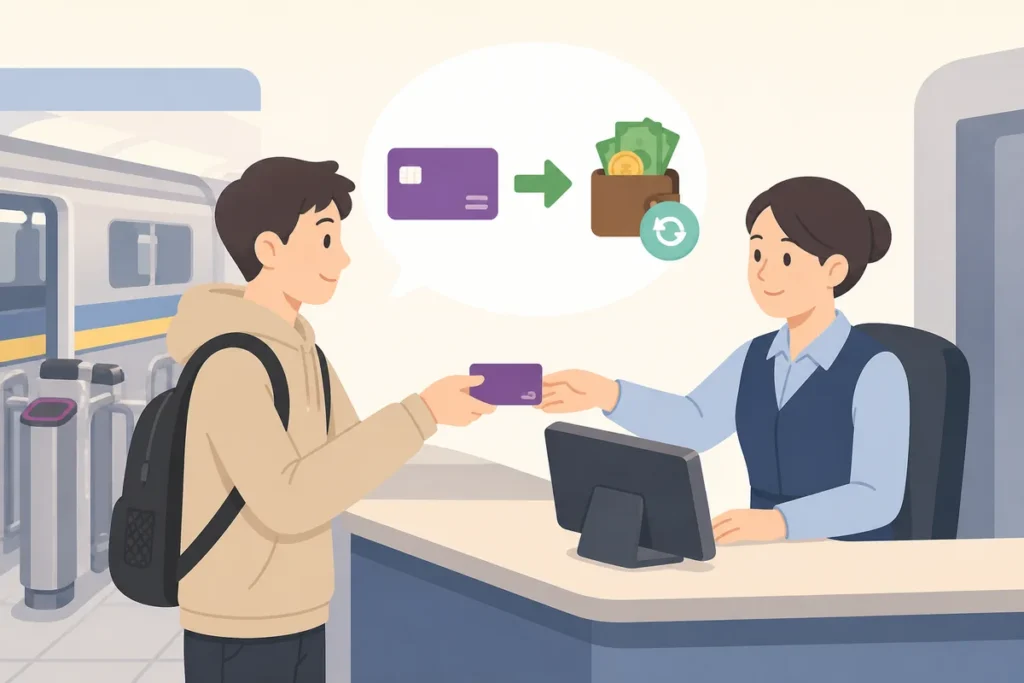
If you still have money on your card, a T-money refund is usually handled at a staffed counter such as a subway customer service center, and sometimes at a participating convenience store. The refundable part is usually the stored balance, while the card price or deposit follows separate rules. Bring the physical card, ask the staff to check it, and confirm the current policy before making a special trip.
What to Do First
- Keep the physical T-money card with you.
- Check the remaining balance at a gate reader, station machine, or convenience store counter.
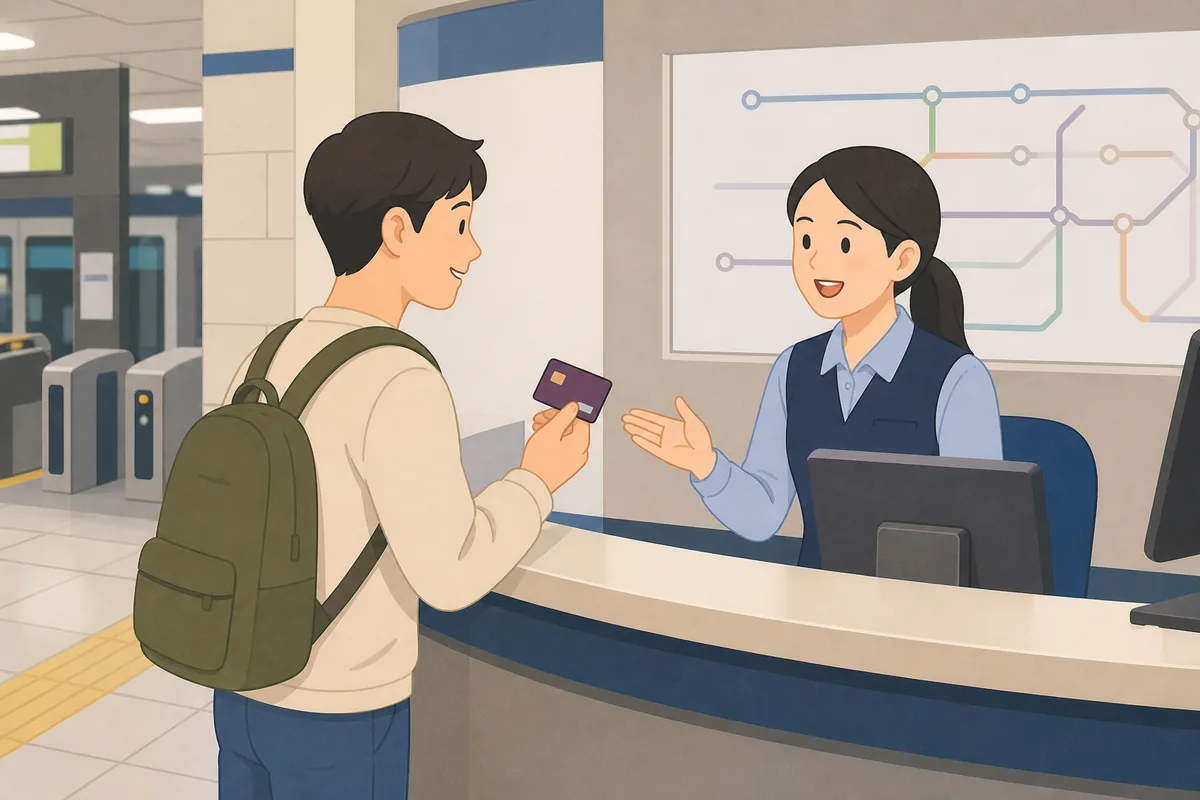
- Go to a staffed subway customer service center if you want the most reliable refund point.
- Ask whether your card type is eligible for a refund.
- Ask separately about the stored balance and the card price or deposit.
- Check the latest official guidance before you go, because participating locations and limits can change.
When This Guide Helps
If your card still has value left and you want the money back before leaving Korea, this guide shows the normal refund flow for a T-money refund. It is most useful for standard physical cards, where the remaining balance is the main thing travelers want to recover. Check Climate Card – Seoul Metropolitan Government for the current details.
It also helps with the most common confusion: the money you loaded onto the card is not the same as the card’s purchase price or deposit. Those can be handled differently depending on the card type and where it was bought.
What to Do First
Start by checking the balance, then go to a staffed location. That is the fastest order for most visitors because not every place that sells or reloads T-money can process refunds.
- Look for a subway station customer service center or another staffed refund counter.
- If a convenience store is nearby, ask whether that branch handles T-money refunds before you line up.
- Show the card and ask staff to confirm whether the balance can be refunded there.
- If you are holding a special edition or tourist card, ask about the exact card type first.
t money refund: Where It Is Usually Available
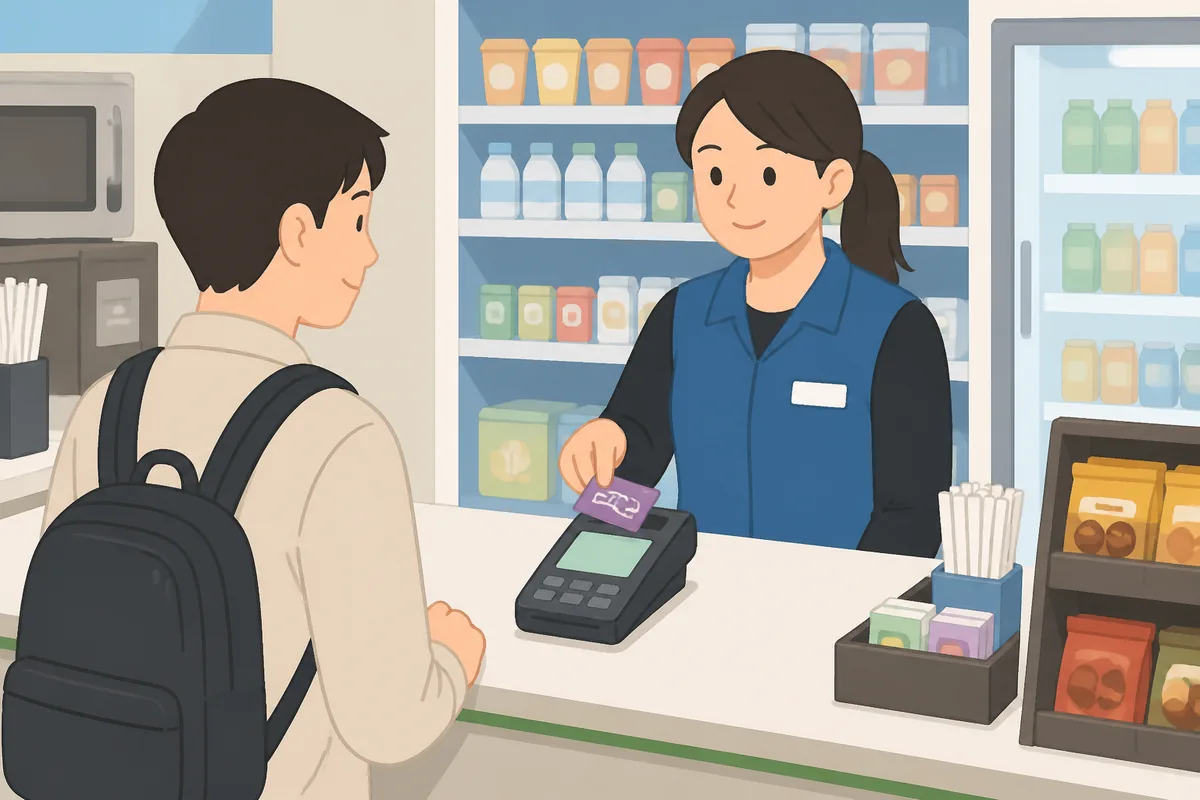
A t money refund is normally handled at staffed subway customer service centers, especially in major metro stations. These counters are the most dependable place to ask because the staff can check the card and tell you what can be refunded.
Some convenience stores also handle refunds, but only certain branches and only certain cases. It is common for travelers to assume any large chain store can do it, but that is not guaranteed. If the first store says no, do not waste time arguing — go to a station counter instead.
If the card was sold as part of a special tourist package or a bundled pass, the correct refund point can be different from a normal station counter. In that case, the card information or official operator guidance matters more than guesswork.
t money refund: Balance vs Card Price
This is the part most visitors mix up. A t money refund can involve two separate amounts:
- Stored balance: the money you loaded and did not spend. This is the amount travelers usually want back.
- Card price or deposit: the cost of the card itself. This follows separate rules and is not always returned the same way.
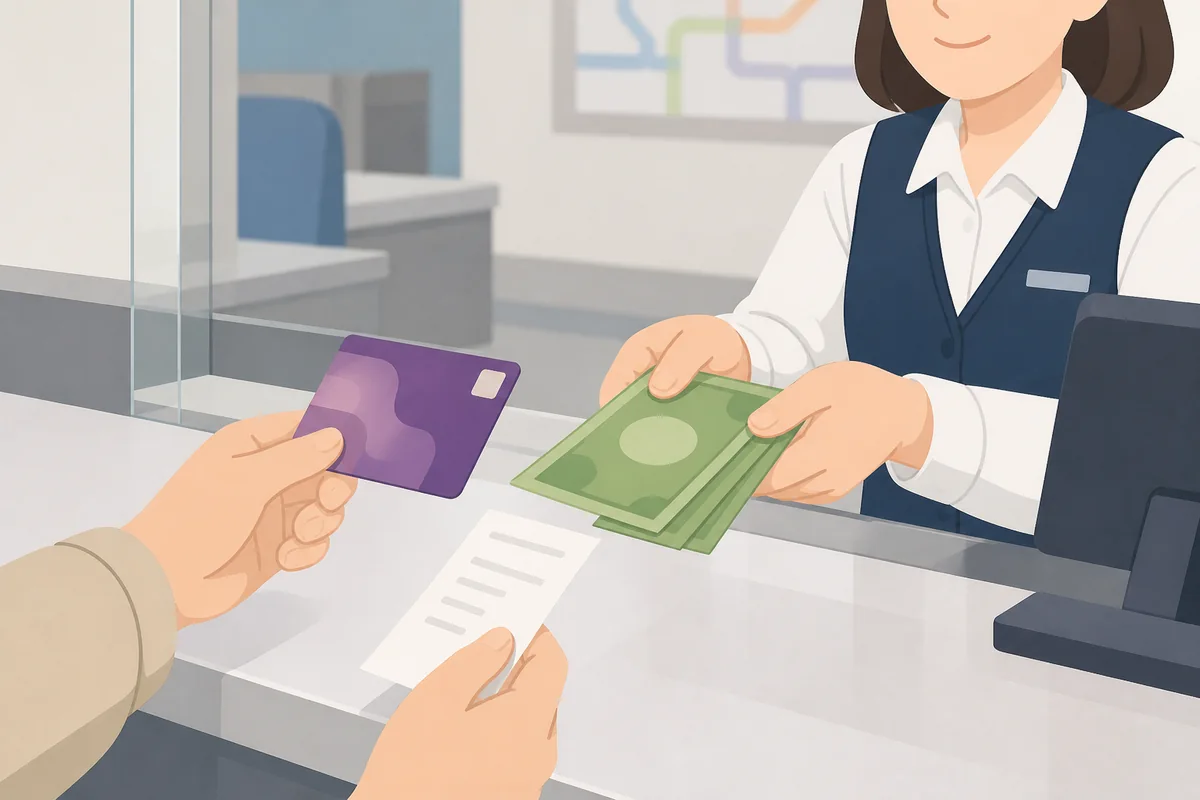
In practice, the stored balance is the part most often refunded at a staffed counter. A small handling fee may be deducted. The card price or deposit depends on the card type, where it was purchased, and the current policy.
Korean Phrases You Can Show
Show these lines on your phone if you do not want to explain everything in English.
Useful Korean Signs or Words
These are the main signs and words to watch for near station offices and counters.
Where to Get Help
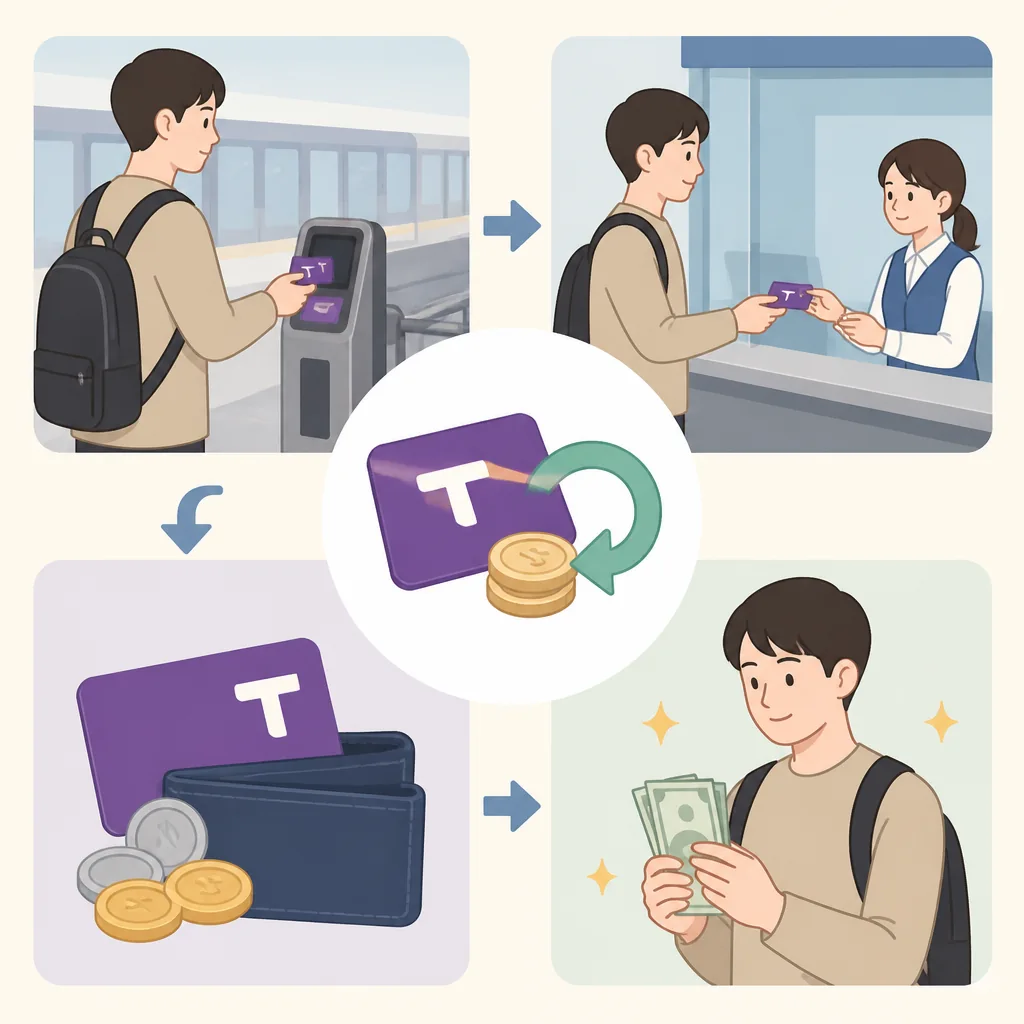
The most reliable place for a T-money refund is a staffed subway customer service center. Staff there can usually confirm whether the card can be processed and whether the remaining balance is refundable at that location.
Some convenience stores can help, but participation is uneven. If you are near the end of your trip and only have a small amount left, a convenience store is worth asking first. If you have a larger balance or a special card, use a station counter instead.
If the card came with a tourist pass or special promotion, check the original card insert or the official operator instructions for the correct refund location.
Common Mistakes
- Going to a ticket machine instead of a staffed counter.
- Assuming every convenience store can process a refund.
- Expecting the card price and the stored balance to work the same way.
- Leaving the card in your hotel room.
- Waiting until the airport and running into a busy counter.
- Using the word for top-up when you actually need a refund.
Official Resource
For current refund rules, fees, and participating locations, check the official T-money operator information before you go. That is the only safe way to confirm the latest policy, because service points and rules can change.

FAQ
Where can I refund T-money in Korea?
The usual place is a staffed subway customer service center. Some convenience stores also process refunds, but not every branch does, so it is best to ask before you rely on one.
Can I get all my T-money money back?
You can usually get the remaining stored balance back, but the card price or deposit may follow different rules. A small fee may also be deducted from the refundable amount.
Can I refund T-money at a convenience store?
Sometimes yes, but only at participating branches and only for certain card types or amounts. If the store cannot do it, go to a subway customer service center.
What do I need to bring for a T-money refund?
Bring the physical card. If you have the original purchase receipt or card information sheet, that can help, especially for special cards or deposit questions.
Note: This guide is for travel navigation in Korea. It is not medical, legal, or emergency professional advice. For urgent situations, contact local emergency services, official staff, or your embassy/consulate as appropriate.
Sources & Verification
- Climate Card – Seoul Metropolitan Government — Seoul Metropolitan Government
Last checked: August 7, 2026
Visual note: This guide uses an explanatory illustration, not an official screen, sign, or document.