Quick Answer
Why do Korean restaurants give so many side dishes? Because banchan are part of the meal, not an extra add-on. They are served to balance flavors, support shared dining, and usually come with free refills for simple items at casual restaurants. The number and style change by restaurant type, so a barbecue place and a noodle shop will look very different.
Quick Restaurant Rule
- Expect small shared dishes to arrive before or with your main order.
- Eat from them freely; they are normally included in the meal price.
- Simple banchan like kimchi and seasoned vegetables are often refillable at no charge.
- Do not assume premium or specialty items are automatically free to refill.
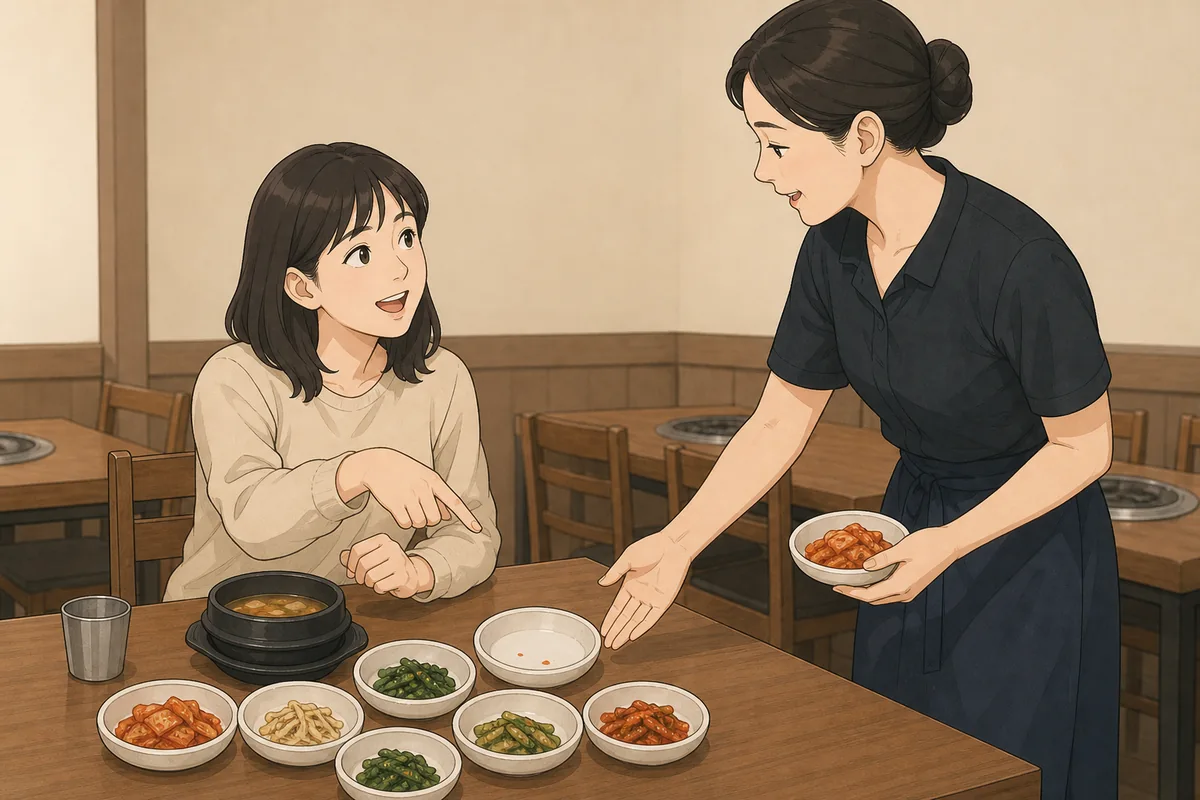
- To ask for more, point to the empty dish and say 이거 더 주세요 (ee-geo deo ju-se-yo).
- Barbecue and set-meal restaurants usually serve more dishes than noodle or soup shops.
- Shared banchan for the whole table is normal.
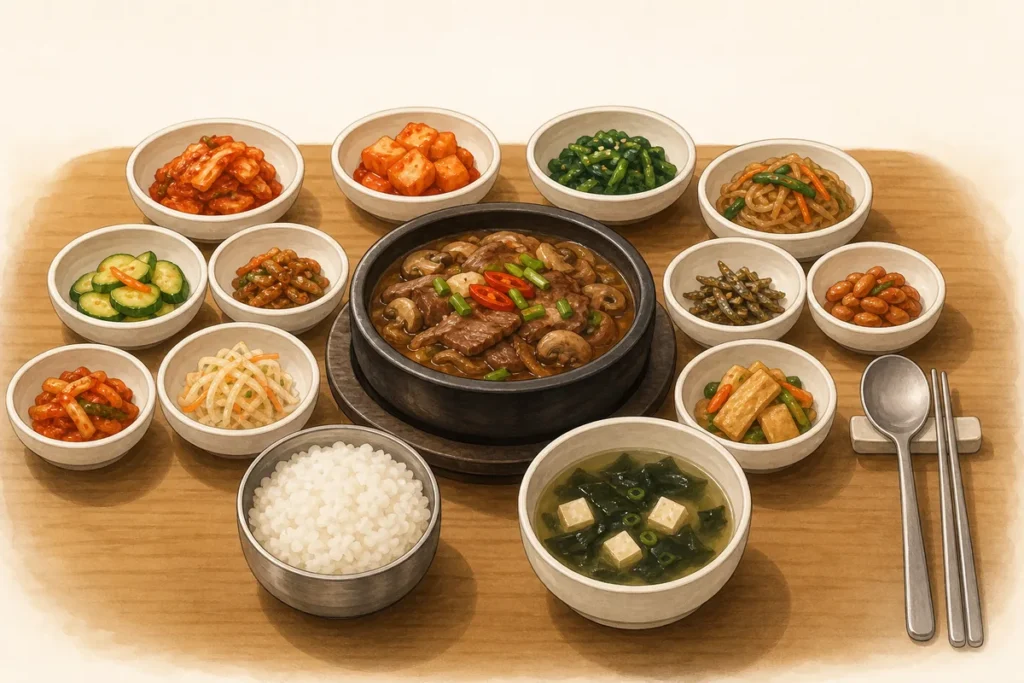
Why do Korean restaurants give so many side dishes? Because banchan are part of the meal, not an extra add-on. They help balance flavors, let people share dishes, and often come with free refills for simple items. The exact number and style change by restaurant type, so what you see at a barbecue place can be very different from a noodle shop or a casual rice meal spot.
What banchan are and why they appear at the table
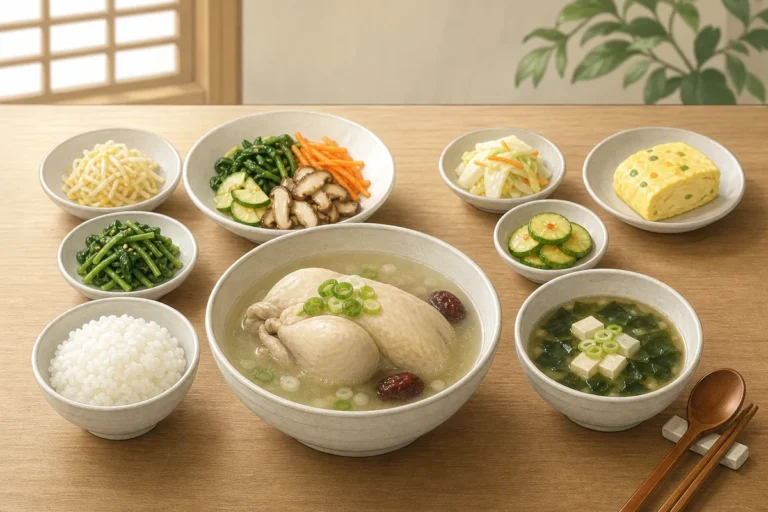
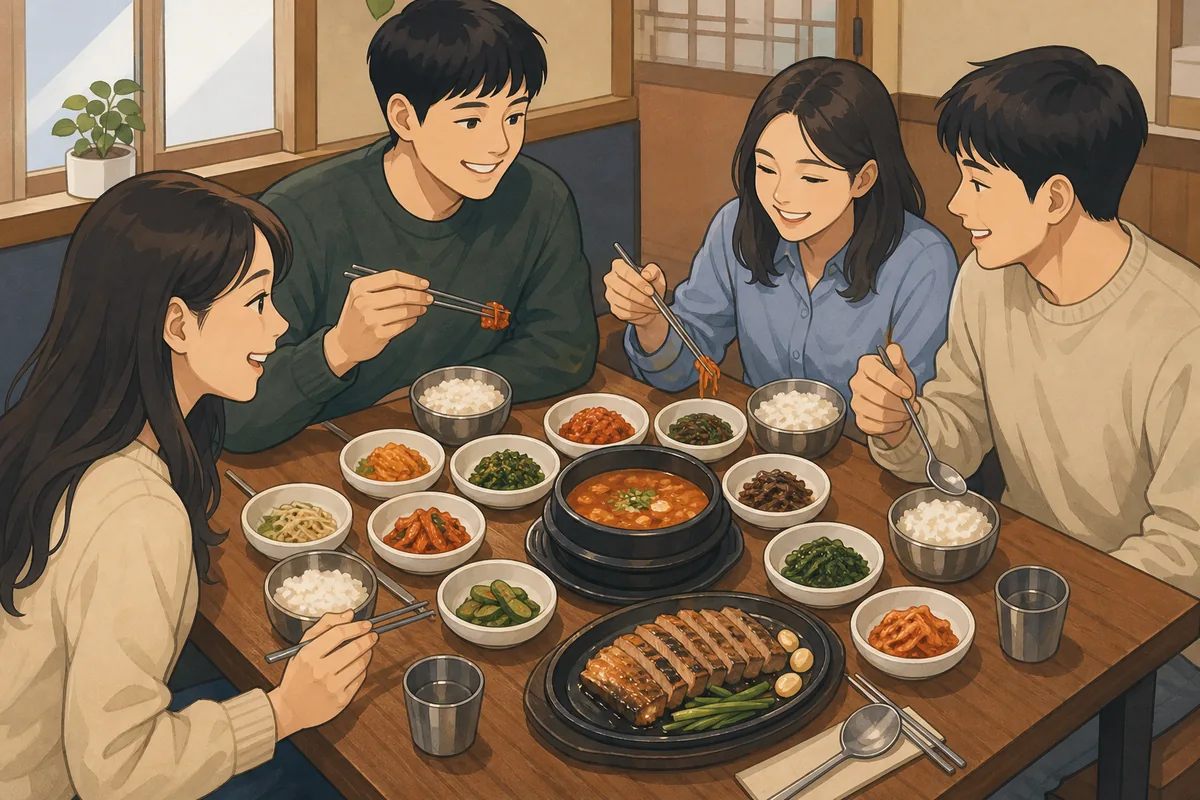
Banchan (반찬) means side dish in Korean. The word covers kimchi, pickled vegetables, seasoned spinach, fish cake, braised potatoes, and many other small dishes. At most Korean restaurants, these arrive automatically, sometimes before the main dish is ready.
They are not appetizers in the Western sense. You eat them throughout the meal, mixing a little of each with rice, soup, or grilled meat. A spicy kimchi cuts through a rich broth. A mild vegetable side balances salty meat. That mix is the point.
The number on the table is not random. It reflects the restaurant’s style, the meal format, and the food being served. A simple lunch spot might set out three or four dishes. A traditional Korean set-meal restaurant can cover the table with many more.
Why Korean meals are built around shared side dishes
Korean dining is structured around sharing. The main dish sits in the center of the table, and the banchan surround it. Everyone at the table eats from the same dishes.
This is why the dishes look small but there are so many of them. The variety itself is part of the meal structure. A plain bowl of rice with only one side dish would feel incomplete in this style of dining. The balance of textures, temperatures, and flavors across multiple small dishes makes the meal feel complete.
It also means the table often feels fuller when more people are eating together. Solo diners still get banchan, but the system is designed with sharing in mind.
When side dish refills are free and when they are not
At most casual Korean restaurants, simple banchan are refillable at no extra charge. Kimchi, seasoned bean sprouts, pickled radish, and similar everyday items are commonly brought back when you ask.
Not every item works the same way. Dishes that take more preparation or use pricier ingredients, such as a small portion of braised fish or a specialty item, are sometimes one-time servings. If you are unsure, it is fine to ask before finishing the last piece.
At higher-end or traditional set-meal restaurants, the banchan spread is part of a fixed experience. Refills are less common there because the dishes are chosen and plated as a complete set.
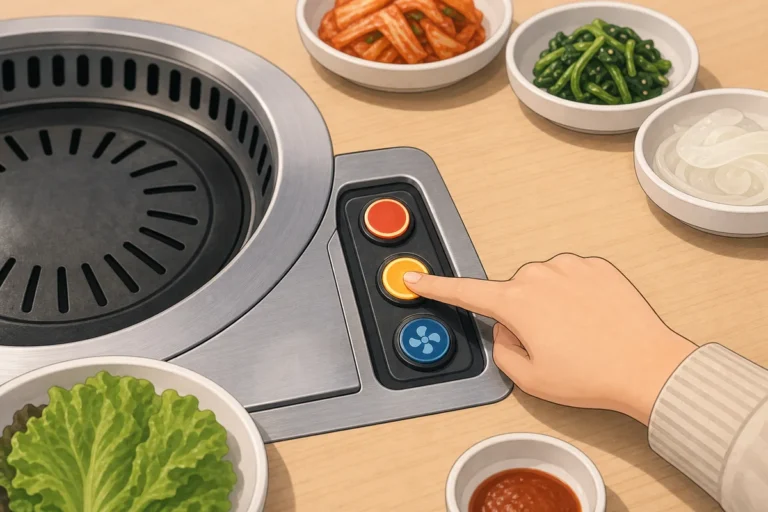
Barbecue restaurants are a separate case. Their banchan are usually simple, plentiful, and easy to refill because they are meant to go with the meat.
How the number of side dishes changes by restaurant type
The easiest way to understand the difference is by restaurant style.
| Restaurant type | Typical banchan count | Refill expectation |
|---|---|---|
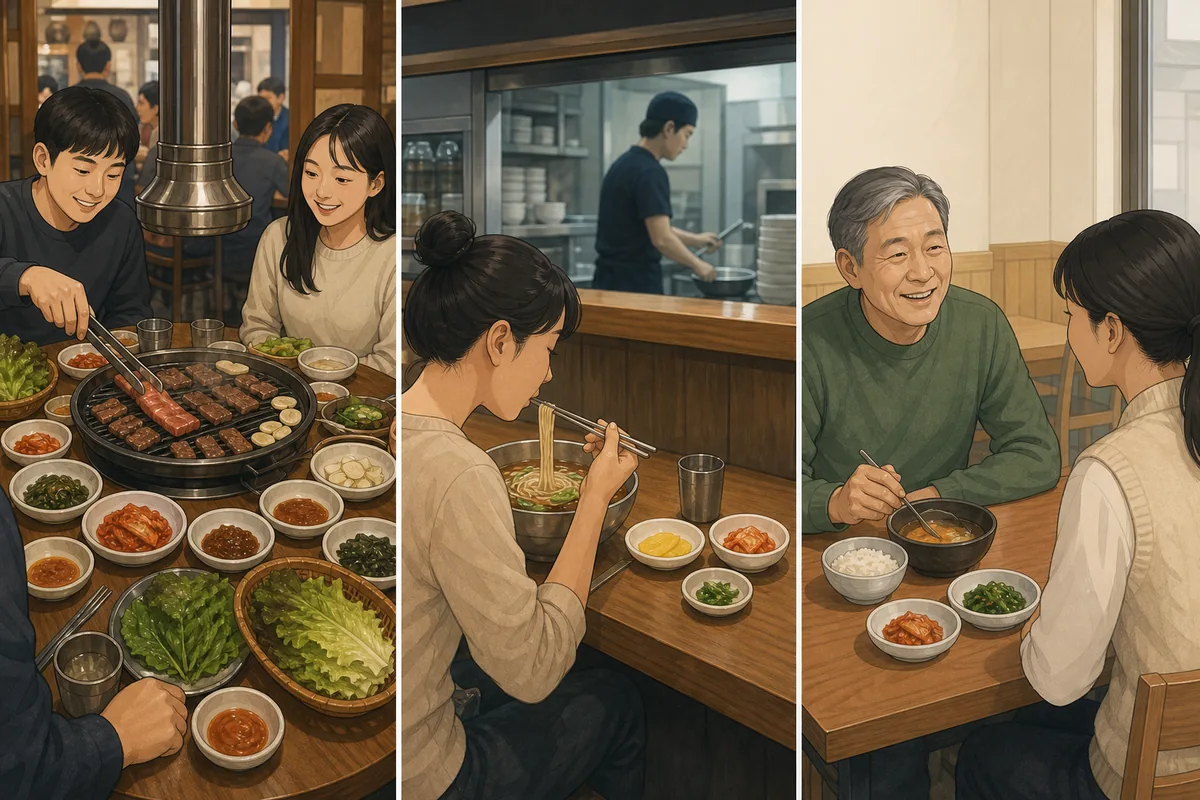
| Casual rice and soup place | 4–8 dishes | Common for simple items |
| Korean barbecue | 4–8 dishes | Usually yes for basic banchan |
| Noodle or soup specialty shop | 1–3 dishes | Sometimes, often just kimchi |
| Traditional set-meal restaurant | 10–20+ dishes | Less common; the spread is the meal |
| Fast-casual or food court style | 2–4 dishes | Varies; sometimes self-serve |
A noodle shop focuses on the bowl itself, so the banchan are there as a simple accent. A barbecue restaurant needs wrapping vegetables, dipping sauces, and kimchi to work with the meat, so the spread is more generous. A traditional hanjeongsik meal treats the banchan as the main attraction.
What first-time visitors should do when they want more banchan
Asking for more is normal and not rude. Staff expect it, especially at casual and barbecue restaurants. Catch a staff member’s attention, point to the empty dish, and use a simple phrase.
Useful phrase for asking for more
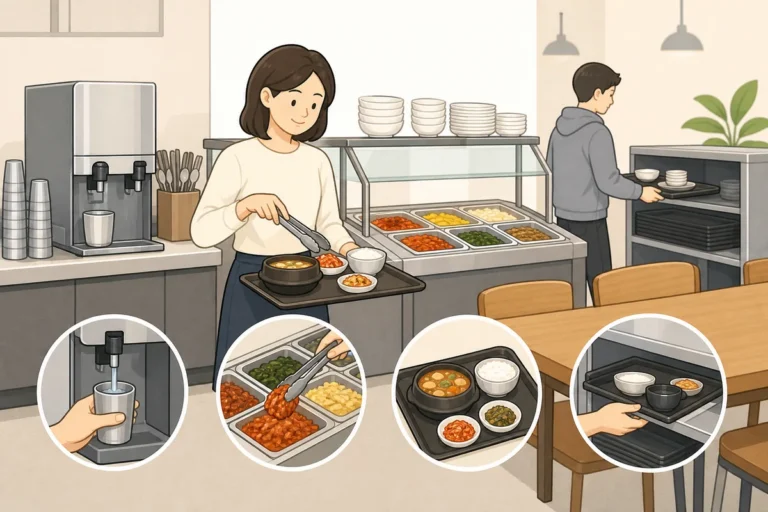
If you are at a self-serve style restaurant, look for a banchan station near the counter. Some places let you take refills yourself rather than asking staff.
Try not to take large amounts onto your own plate at once. Small shared portions are the normal flow of the meal.
Frequently Asked Questions
Why do Korean restaurants serve so many side dishes?
Banchan are a structural part of Korean meals, not extras. They provide balance, variety, and a shared table experience. The number depends on the restaurant type and meal format.
Are side dishes free refills in Korean restaurants?
At many casual and barbecue restaurants, simple this topic like kimchi and seasoned vegetables are refilled at no charge. More elaborate items are sometimes one-time servings. Traditional set-meal restaurants usually treat the full spread as part of the fixed meal.
Do all Korean restaurants give the same this topic?
No. The dishes vary by restaurant, region, and meal type. Kimchi is common, but the rest of the spread changes a lot from one place to another.
Can I ask for more 반찬 in Korea?
Yes. Point to the empty dish and say 이거 더 주세요 (ee-geo deo ju-se-yo). If you want to check first, ask 리필 돼요? (ri-pil dwae-yo).
The Short Version
Korean restaurants give many this topic because banchan are the foundation of the meal: they add balance, variety, and a shared dining style. Simple items like kimchi are often refillable at casual places, while premium dishes and traditional set meals work differently. Once you know the system, the spread stops feeling surprising and starts feeling generous by design.
Note: This guide is for travel navigation in Korea. It is not medical, legal, or emergency professional advice. For urgent situations, contact local emergency services, official staff, or your embassy/consulate as appropriate.
For official information, check Visit Korea official travel information.