Quick Answer: Seonbul Meaning
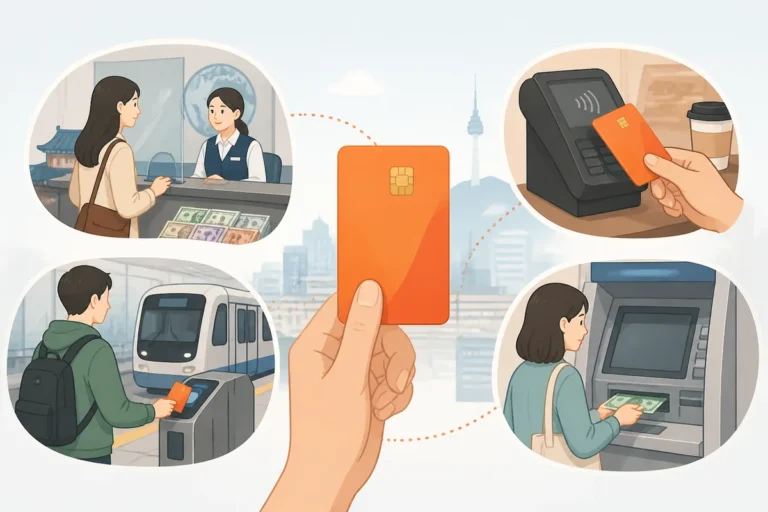
Seonbul meaning is prepaid: you pay before you use the service or product. The opposite term, 후불 (hubeul), means postpaid, or paying after use. You may see these words on transit card machines, parking signs, telecom menus, delivery apps, and kiosk screens across Korea.
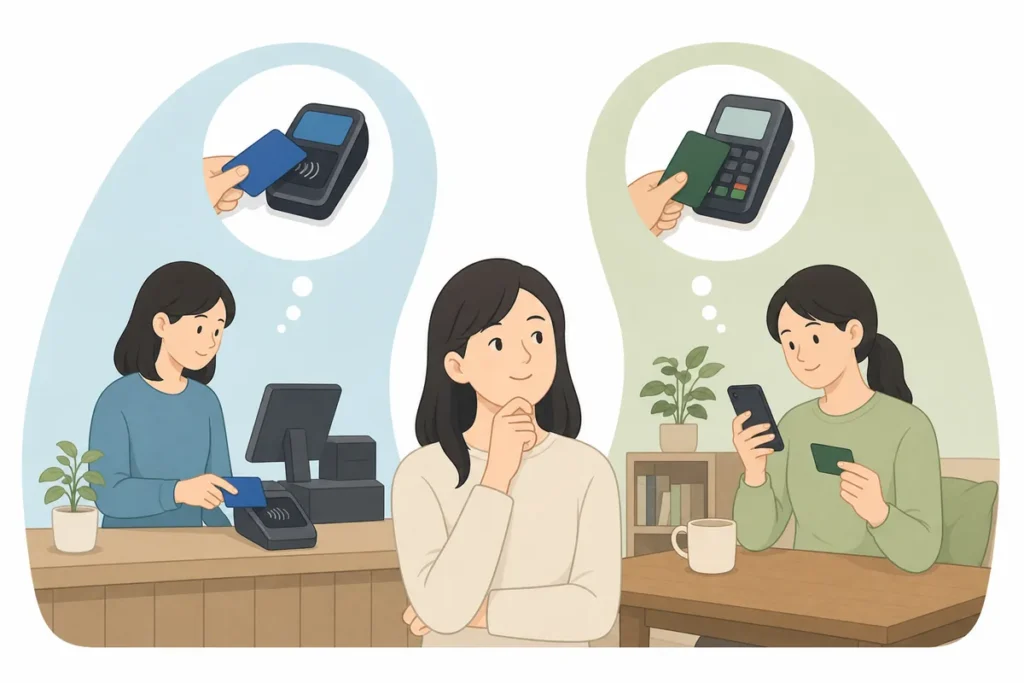
Table of Contents
- Introduction: Why These Words Matter
- Main Explanation: Seonbul vs Hubeul
- Seonbul vs Hubeul at a Glance
- Common Situations Foreigners Encounter
- What Foreigners Often Get Wrong
- Useful Korean Phrases
- Warnings and Things to Check
- FAQ
- Summary
Introduction: Why These Words Matter
Seonbul meaning is one of those small details that makes daily life in Korea much easier. Korea uses both prepaid and postpaid systems in many everyday services, and the two options are often shown side by side on the same sign or screen. If you do not know the difference, you might top up the wrong card, choose a monthly plan by mistake, or get confused at a parking machine.
This guide is for visitors and newcomers who want a simple explanation of Korean payment terms. No banking or contract knowledge is required — just a little attention to the labels in front of you.
Main Explanation: Seonbul vs Hubeul
What the words mean
The Korean word 선불 (seonbul) means payment first. 후불 (hubeul) means payment later. In English, that is usually translated as prepaid versus postpaid.
In practice, this can apply to transit cards, mobile plans, parking, gift cards, and some retail services. The exact use depends on the business, so it helps to read the full label and check the surrounding context.
Why context matters
A 선불 transit card means you load money before riding. A 선불 SIM usually means you pay upfront for a set amount of data or calls. A 후불 parking system may let you enter first and pay when you leave. The same word can appear in different places, but the payment flow changes depending on the service.
Do not assume that 선불 always means cash only or that 후불 always means a credit card bill. The terms describe when you pay, not always how you pay.
Important note
Service names, payment rules, and refund policies can change by company or location. If you are unsure, ask staff or check the official provider before confirming payment.
Seonbul vs Hubeul at a Glance
Common Situations Foreigners Encounter
1. Transit cards and subway travel
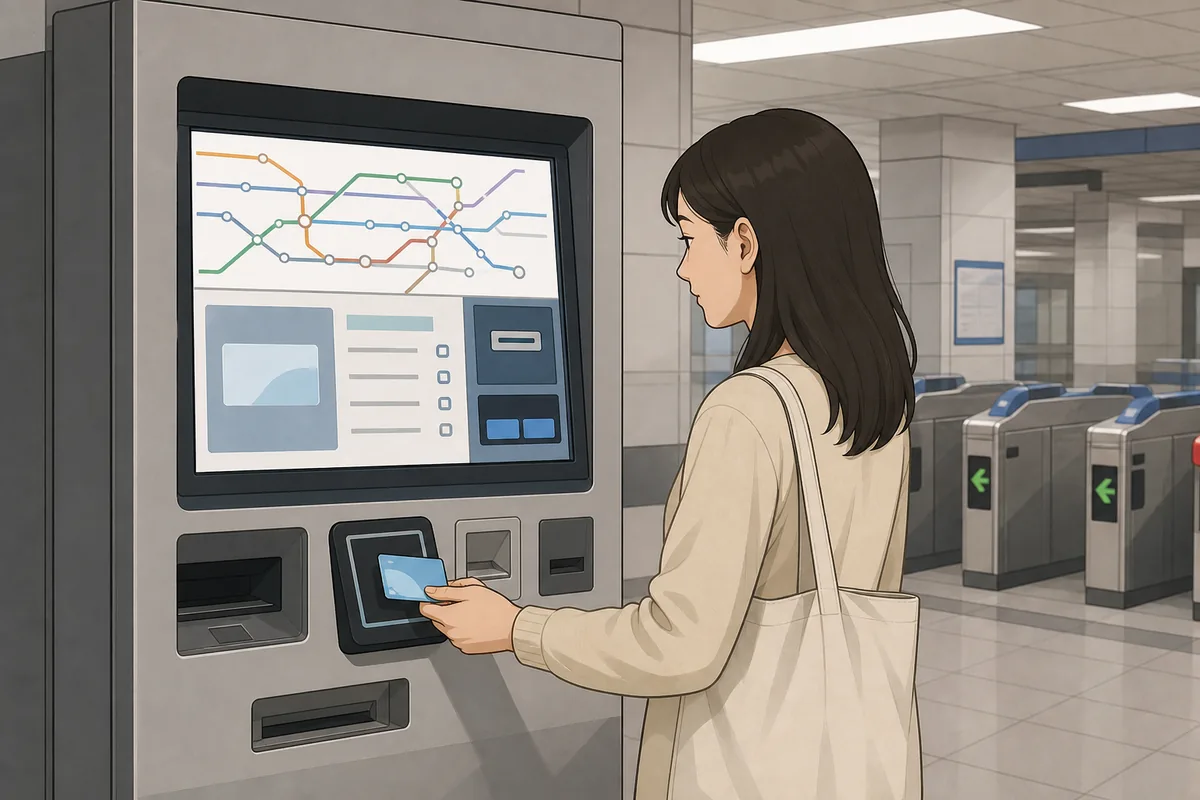
Most visitors use a 선불 transit card such as T-money. You add money at a convenience store or station machine, and the fare is deducted when you tap in. If the balance is too low, the gate may not open. Some long-term residents use 후불 transit cards linked to a Korean card or bank account, which are billed later.
For official transit card information, see the T-money official website.
2. Convenience stores and gift cards
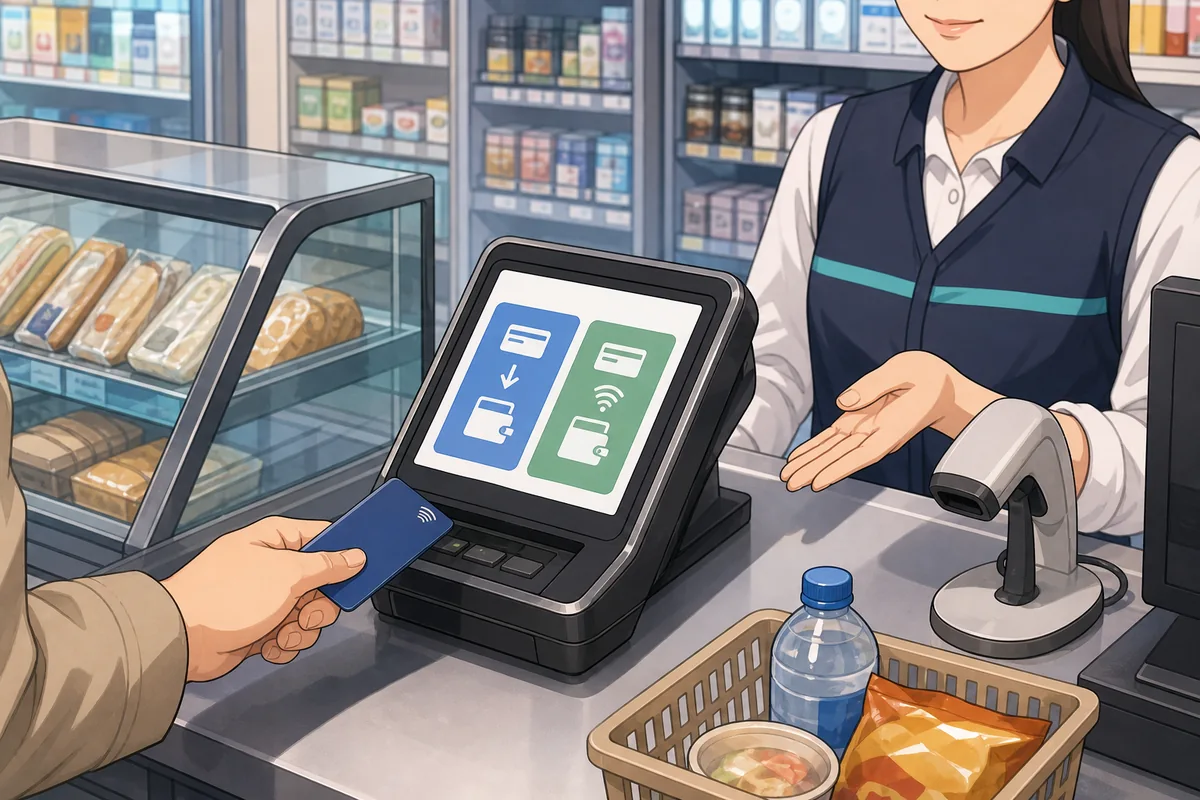
At convenience stores, a 선불카드 is a prepaid card with a fixed amount loaded onto it. You pay first and then use the stored value later. Some kiosk screens also let you choose between 선불 and 후불 for certain services, so read the prompt carefully before tapping.
3. Mobile plans and prepaid SIM cards
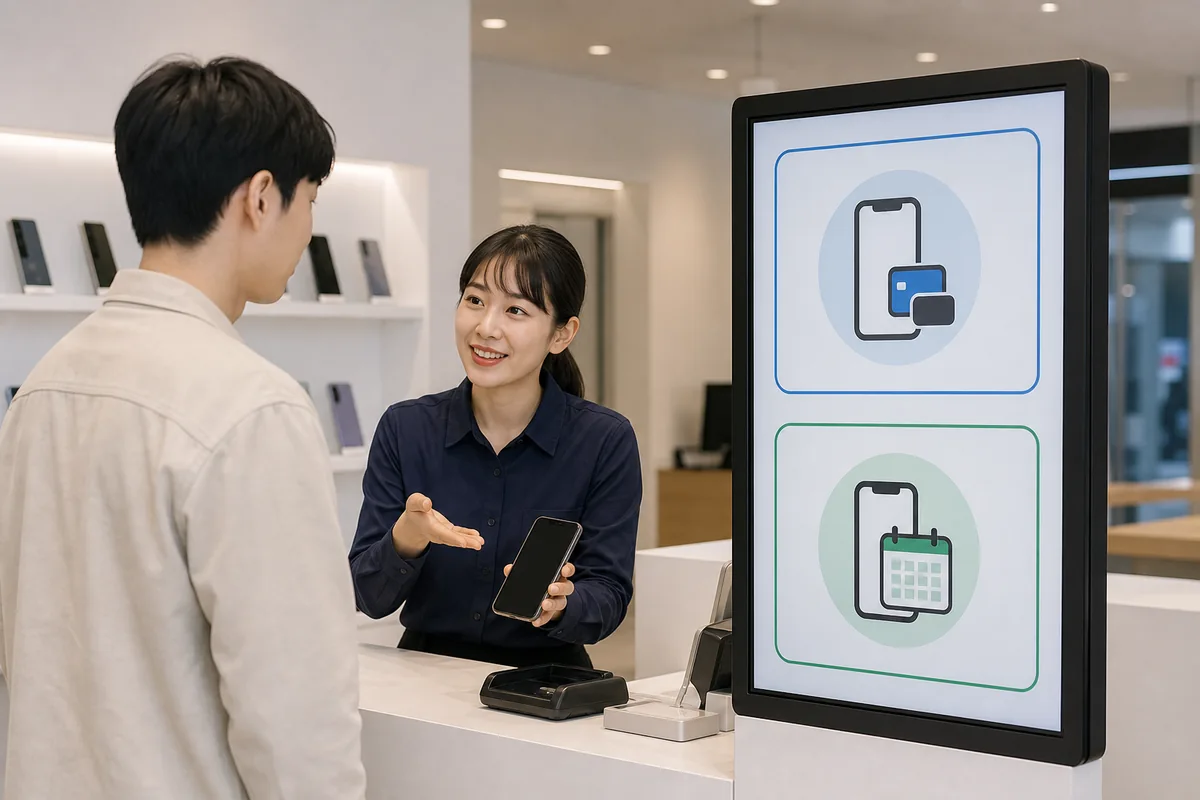
A 선불 유심 is a prepaid SIM card. It is popular with tourists because it usually does not require a contract or monthly billing. You pay upfront for a set amount of data, calls, or validity time. A 후불 요금제 is a monthly postpaid plan, which is more common for local residents.
For mobile and telecom basics in Korea, see the official Korea.net site for general living information.
4. Parking lots and payment machines
Parking in Korea can be either 선불 or 후불. In a 선불 system, you may pay before parking or before leaving the lot. In a 후불 system, you usually pay at an exit machine or staffed booth after your parking time is calculated. If you are unsure, look for a 정산기 sign or ask staff.
5. Delivery and app payments
Some delivery apps and service platforms use 선불 and 후불 to show whether you pay immediately or after the service is completed. This is more common on Korean apps than on older foreign-style checkout systems. If the wording is unclear, check the final payment screen before placing the order.
What Foreigners Often Get Wrong
Misunderstanding 1: Prepaid means cash only
This is not true. A prepaid service can still be paid by card, mobile wallet, or cash. The word describes timing, not the payment method.
Misunderstanding 2: Postpaid always means a credit card bill
Not always. Some 후불 systems may charge a debit card, issue an invoice, or accept payment at a booth. The payment method depends on the provider.
Misunderstanding 3: The label means the same thing everywhere
The word is stable, but the use can differ by context. A prepaid SIM, a prepaid card, and prepaid parking are all different in practice. Always read the full screen or sign.
Misunderstanding 4: Foreigners can always use postpaid services
Many postpaid services in Korea require local registration, a Korean bank account, or a credit history. Visitors often find that only prepaid options are available.
Useful Korean Phrases
Phrases for Checking Payment Type
FAQ
What does seonbul mean in English?
Seonbul means prepaid. It refers to paying before you use a service or product.
What is the opposite of seonbul?
The opposite is 후불, romanized as hubeul, which means postpaid or pay after use.
Can a visitor use a credit card for a prepaid service?
Often yes. Prepaid describes timing, not the payment method. Some services may accept only certain cards or cash, so check the screen or sign.
Which transit card option should a tourist use?
Most tourists should use a prepaid transit card. It is easy to top up and usually does not require a Korean bank account.
Is a prepaid SIM card easy to buy in Korea?
Usually yes. Prepaid SIM cards are often sold at airports, convenience stores, and phone shops. Passport registration may be required.
Can foreigners always use postpaid services?
Not always. Some postpaid services require local registration or a Korean payment method, so availability can be limited for short-term visitors.
Summary
Seonbul meaning is straightforward: it means prepaid, or pay before use. The opposite term, 후불 (hubeul), means postpaid, or pay after use. These words appear on transit cards, telecom plans, parking signs, convenience store services, and app checkouts in Korea. The exact use depends on the service, so always read the full label and confirm if needed. If you remember the difference between 선불 and 후불, everyday payments in Korea become much easier to understand.
Related and Official Resources
Sources & Verification
- 한국어기초사전 — krdict.korean.go.kr
- National Institute of Korean Language — www.korean.go.kr
- Consumer Policy – Fair Trade Commissio — www.ftc.go.kr
Last checked: July 30, 2026