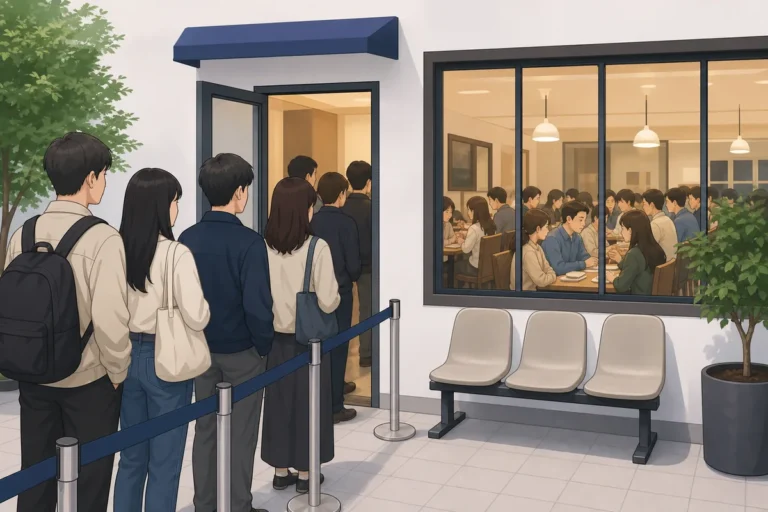
Maepyoso Meaning: What You Need to Know
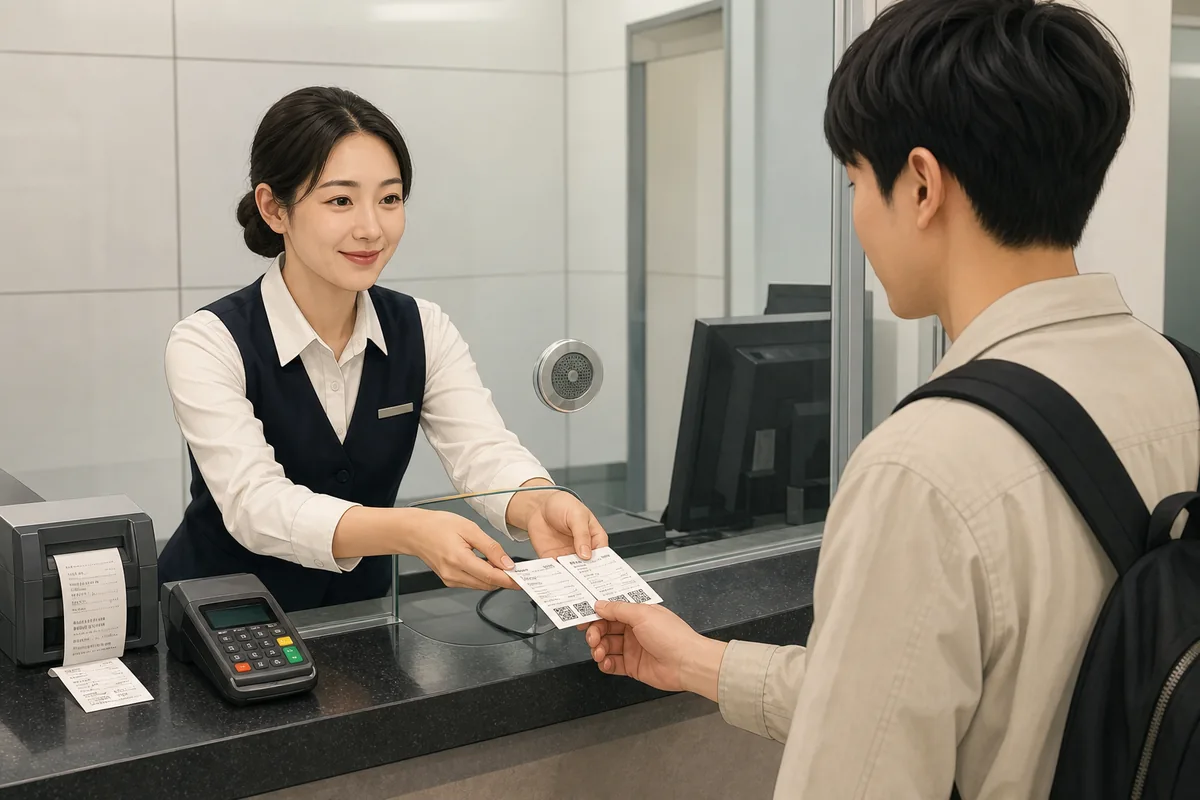
maepyoso meaning is usually ticket office or ticket counter in Korean. It is the physical place where you go to buy a ticket, collect a pre-booked ticket, or have a ticket printed in person. You will see this sign at train stations, bus terminals, museums, theaters, ferry terminals, and theme parks across Korea. If you are unsure where to pay or pick up your ticket, look for the 매표소 sign.
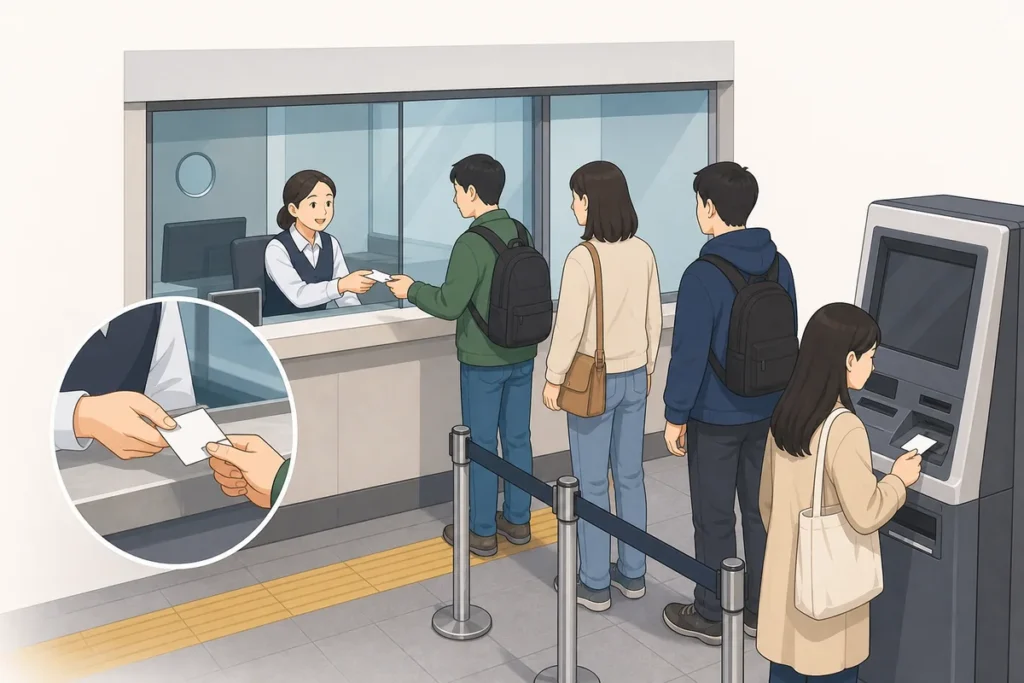
Table of Contents
- Introduction
- What Maepyoso Means and How the Sign Looks
- Related Words: 발권 and 현장 구매
- Common Situations Where You Will See 매표소
- What Foreigners Often Get Wrong
- Useful Korean Phrases at the Counter
- Warnings and Things to Check
- FAQ
- Summary
Introduction
maepyoso meaning is easy to understand once you see how the sign is used in everyday life. Korea has a clear and well-organized ticketing system, but the signs and words used can be confusing if you do not read Korean. One of the most important signs you will encounter as a visitor is 매표소. Understanding the maepyoso meaning helps you find the right counter quickly, avoid long waits, and know exactly what to do when you arrive at a venue. This guide explains the word in plain English, shows you where it appears, and gives you the phrases you need to get your ticket without stress.
What Maepyoso Means and How the Sign Looks
The word 매표소 is made of three parts in Korean: 매 (mae) means to sell, 표 (pyo) means ticket, and 소 (so) means place or office. Put together, it literally means the place that sells tickets. In everyday use, it works exactly like a box office or ticket window in English.
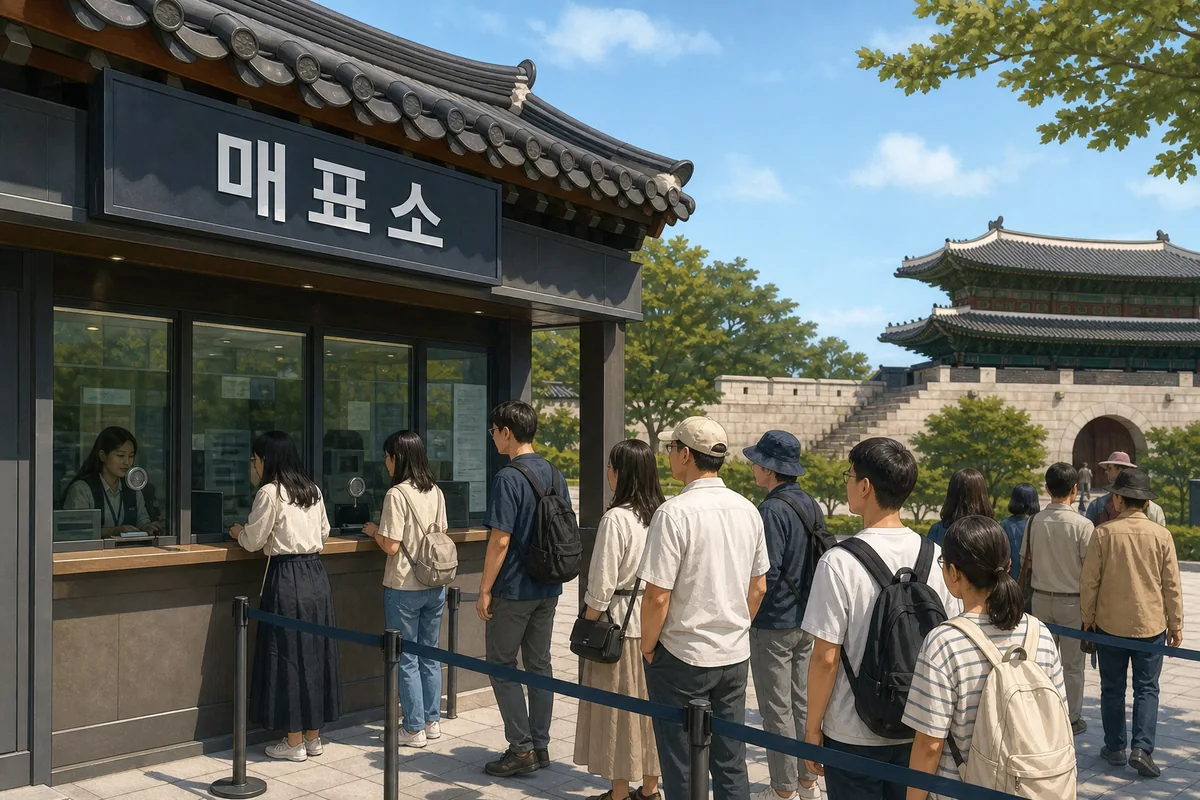
You will see 매표소 written on signs above counters, on arrows pointing down hallways, on doors, and on information boards. Sometimes the sign appears in large letters on a booth or kiosk outside a venue entrance. At bigger locations such as Seoul Station or Gyeongbokgung Palace, the sign may also appear in English underneath the Korean.
How the Sign Appears in Real Life
Related Words: 발권 and 현장 구매
Once you understand the maepyoso meaning, two more words will make the Korean ticketing system much clearer: 발권 and 현장 구매. These appear on signs, kiosks, and screens near the ticket counter, and they each mean something slightly different.
Key Ticketing Words to Know
The practical difference is this: 매표소 is the place, 발권 is the action of getting your ticket issued, and 현장 구매 is buying without any prior booking. If you already have a reservation number from an app or website, you usually go to the 매표소 or a 무인 발권기 for 발권 — you are not buying again, just collecting.
Common Situations Where You Will See 매표소
Train Stations (기차역)
At major stations such as Seoul Station, Busan Station, and Dongdaegu Station, the 매표소 counter sells KTX, ITX, and Mugunghwa train tickets. There are also 무인 발권기 kiosks nearby. If you booked on the Korail website or app, go to a kiosk to print your ticket. Staff at the 매표소 counter can help if the machine is confusing. Always check whether your booking requires printing or whether a mobile QR code is enough.
Intercity Bus Terminals (시외버스터미널)
Bus terminals almost always have a 매표소 row with multiple windows. You can buy tickets here on the day of travel, but popular routes on weekends and holidays sell out. It is safer to book online through the official terminal websites and then collect at the counter or kiosk.
Palaces, Museums, and Historic Sites
Places like Gyeongbokgung Palace, the National Museum of Korea, and Changdeokgung all have a 매표소 booth near the entrance gate. Some are free with a foreign passport (confirm this at the venue, as policies change). Others charge an entry fee. You pay here before entering. Arrive early on weekends because queues can be long.
Zoos and Theme Parks
Seoul Zoo, Everland, and Lotte World all have 매표소 booths at the main entrance. Everland and Lotte World strongly encourage online purchase in advance because same-day tickets at the gate can cost more or sell out on peak days. Check the official park website before you visit.
Theaters and Concert Venues
For performances at venues like the Seoul Arts Center or LG Arts Center, the 매표소 is usually inside the lobby. If you booked through a ticketing platform such as Interpark or Melon Ticket, bring your booking number and ID. Staff will issue your physical ticket at the counter. Walk-in 현장 구매 is often not available for sold-out shows.
Ferry Terminals
If you are traveling to Jeju Island or to islands off the south coast, ferry terminals have a 매표소 where you buy or collect your boarding pass. Ferries can sell out, especially in summer. Book ahead and arrive at the terminal with enough time to complete 발권 before boarding.
What Foreigners Often Get Wrong
Confusing 예약 with 현장 구매
Many visitors assume that having a reservation means they are ready to enter. In Korea, a reservation (예약) usually means you still need to go to the 매표소 or a kiosk to have your ticket issued (발권). You are not buying again — you are just collecting. Skipping this step and going straight to the entrance gate may result in being turned away.
Assuming Same-Day Tickets Are Always Available
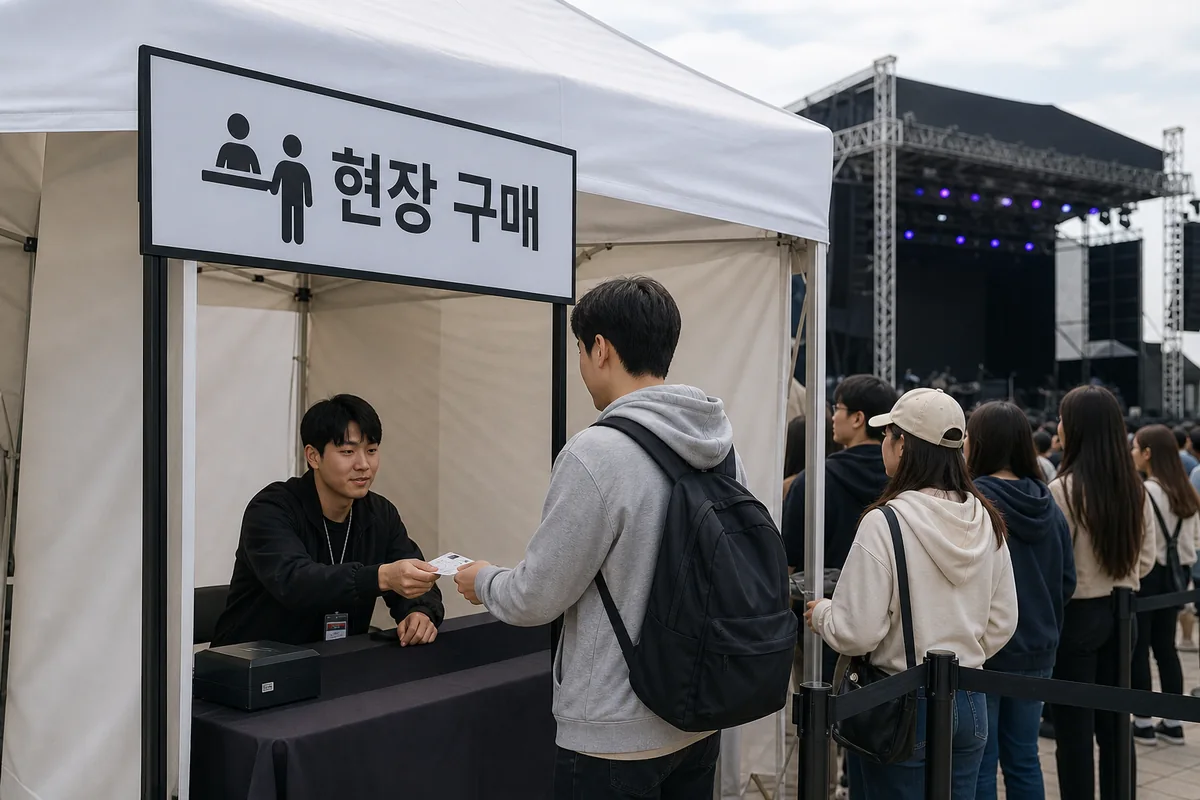
현장 구매 is not guaranteed at every venue. Popular concerts, weekend palace tours, and peak-season ferry routes often sell out online before the day. Do not assume you can simply show up and buy. Check the venue’s official website or contact them in advance.
Going to the Wrong Counter
Large stations and terminals have separate windows for different services — some for buying new tickets, some for refunds (환불), some for seat changes. Look for the 매표소 sign specifically, and if there are numbered windows, check the screen or ask staff which window handles your request.
Arriving After the Ticket Office Closes
The 매표소 at museums and historic sites often closes 30 to 60 minutes before the venue itself closes. If you arrive late, you may find the counter shut even though the gates are still open. Check the 매표소 운영시간 (ticket office hours) on the venue’s website before you go.
Not Bringing ID or Booking Confirmation
Some venues, especially for concerts and performances, require you to show your passport or the email confirmation of your booking when collecting tickets. Have these ready before you reach the counter to avoid holding up the queue.
Useful Korean Phrases at the Counter
What to Say at the 매표소
Warnings and Things to Check
- Ticket office hours differ from venue hours. The 매표소 usually closes earlier than the venue itself. Check the official website for exact times before you travel.
- Some popular venues require advance online booking. Walk-in tickets may not be available, especially on weekends, public holidays, and during peak tourist seasons.
- Policies change. Entry fees, free admission days for foreigners, and operating hours are updated regularly. Always confirm with the official venue website or contact the venue directly before visiting.
- Self-service kiosks may only accept Korean credit cards or T-money at some locations. If the machine does not accept your card, go to the staffed 매표소 counter.
- This guide does not guarantee ticket availability or pricing. All information here is general guidance. Verify current details with official sources such as the Korea Tourism Organization official website.
FAQ
What does maepyoso mean in simple English?
Maepyoso (매표소) means ticket office or ticket counter. It is the place inside or outside a venue where you buy, collect, or print a ticket in person.
Is 매표소 the same as a box office?
Yes, it works the same way. At theaters and concert halls, 매표소 functions exactly like a box office — you go there to buy tickets or pick up tickets you already reserved.
Do I need to go to the 매표소 if I already booked online?
Often yes. Many venues require you to visit the 매표소 or a self-service kiosk (무인 발권기) to have your ticket printed or issued (발권) even if you paid online. Check your booking confirmation email for instructions, as some venues now accept mobile QR codes at the gate.
What is the difference between 발권 and 현장 구매?
발권 means having a ticket issued or printed — this applies whether you booked in advance or are buying now. 현장 구매 specifically means buying a ticket on the spot at the venue without any prior reservation. Not all venues offer 현장 구매, especially for popular events.
Can a visitor use a foreign credit card at the 매표소?
At most staffed counters, yes. Visa and Mastercard are widely accepted. Self-service kiosks can be more limited, so if your card does not work, ask the staff at the 매표소 for help.
Summary
In Korea, the maepyoso meaning is simple: it is the ticket office or ticket counter. Use it to buy tickets, collect reservations, or print tickets in person. Remember that 매표소 is the place, 발권 is the ticket-issuing process, and 현장 구매 means buying on site. If you are visiting stations, museums, theaters, or ferry terminals, spotting the 매표소 sign will usually point you in the right direction.
Related and Official Resources
Sources & Verification
- 한국어기초사전 — krdict.korean.go.kr
- National Institute of Korean Language — www.korean.go.kr
- Seoul Arts Center — www.sac.or.kr
Last checked: July 30, 2026