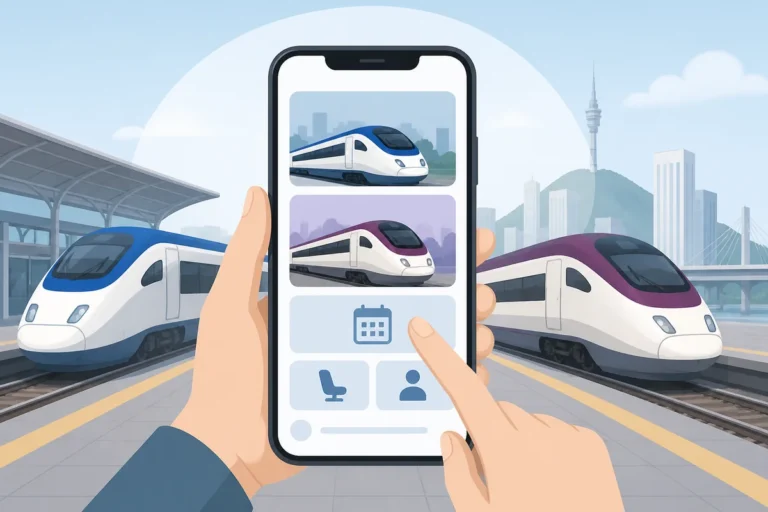
KORAIL Pass+ is worth understanding only if you want one product that goes beyond a train pass. Check the rail benefits first — how many travel days and which train types are covered — then confirm whether the card function really covers the subway, bus, and payment use you expect in Korea.
What KORAIL Pass+ Actually Is
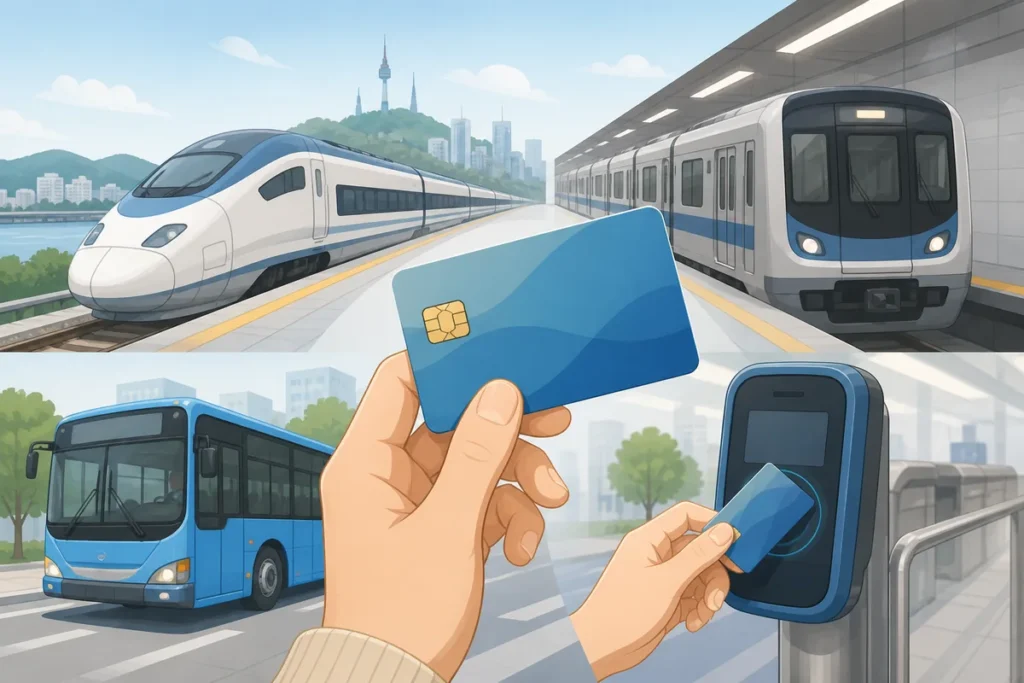
It is a physical card issued exclusively to foreign visitors. One side of the product works like the regular KORAIL PASS: it gives you a set number of days to ride KTX and other KORAIL-operated trains without buying individual tickets each time. The other side works like a prepaid transit card — tap it on subway gates and bus readers the same way locals use T-money.
That combination is the whole point of Pass+. Without the plus function, you would need a separate transit card for city travel, which most visitors buy anyway at a convenience store or airport kiosk.
How It Differs from the Regular KORAIL PASS
The regular KORAIL PASS is a rail-only product. You use it to board KTX, ITX-Saemaeul, Mugunghwa, and other KORAIL trains during your chosen travel period. When you step off the train and need to take the Seoul Metro, Busan subway, or a city bus, the pass does nothing — you need a separate card.
KORAIL Pass+ replaces that second card. The transit balance is stored on the same physical card, and you recharge it separately from your rail pass days. The rail days and the transit balance are independent of each other: using the subway does not eat into your train travel days, and running out of transit balance does not affect your train reservations.
| Feature | Regular KORAIL PASS | KORAIL Pass+ |
|---|---|---|
| KTX / KORAIL trains | Yes | Yes |
| Subway tap-in | No | Yes (with balance) |
| City bus tap-in | No | Yes (with balance) |
| Convenience store payment | No | Yes (with balance) |
| Rechargeable transit balance | No | Yes |
| Foreign visitor only | Yes | Yes |

What You Can Actually Do With It
KTX and KORAIL Trains
The rail pass side works the same as the standard KORAIL PASS. You still need to make a seat reservation before boarding KTX — the pass covers the fare, not the seat assignment. Reservations can be made at KORAIL ticket windows, at station kiosks (look for the English option), or through the Korail Talk app. Some trains and routes require a small reservation surcharge even with a pass; KORAIL publishes the current rules for which services are fully covered.
Subway
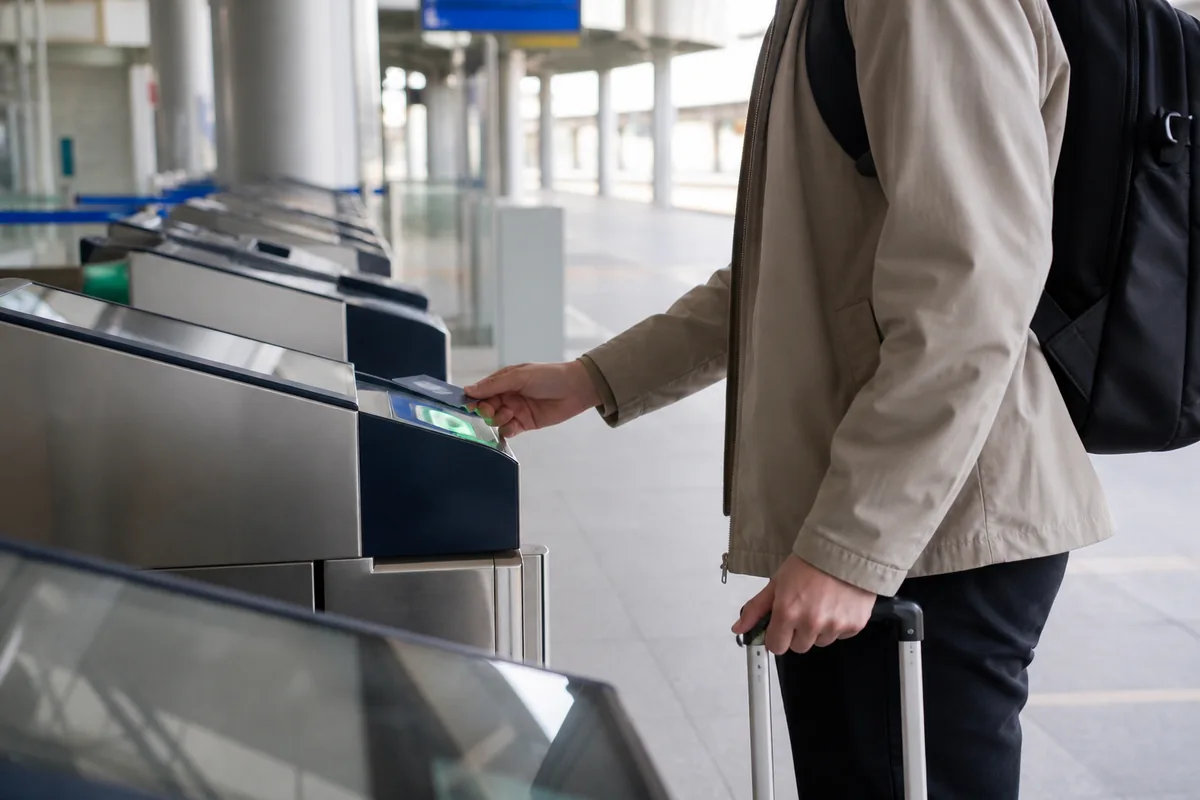
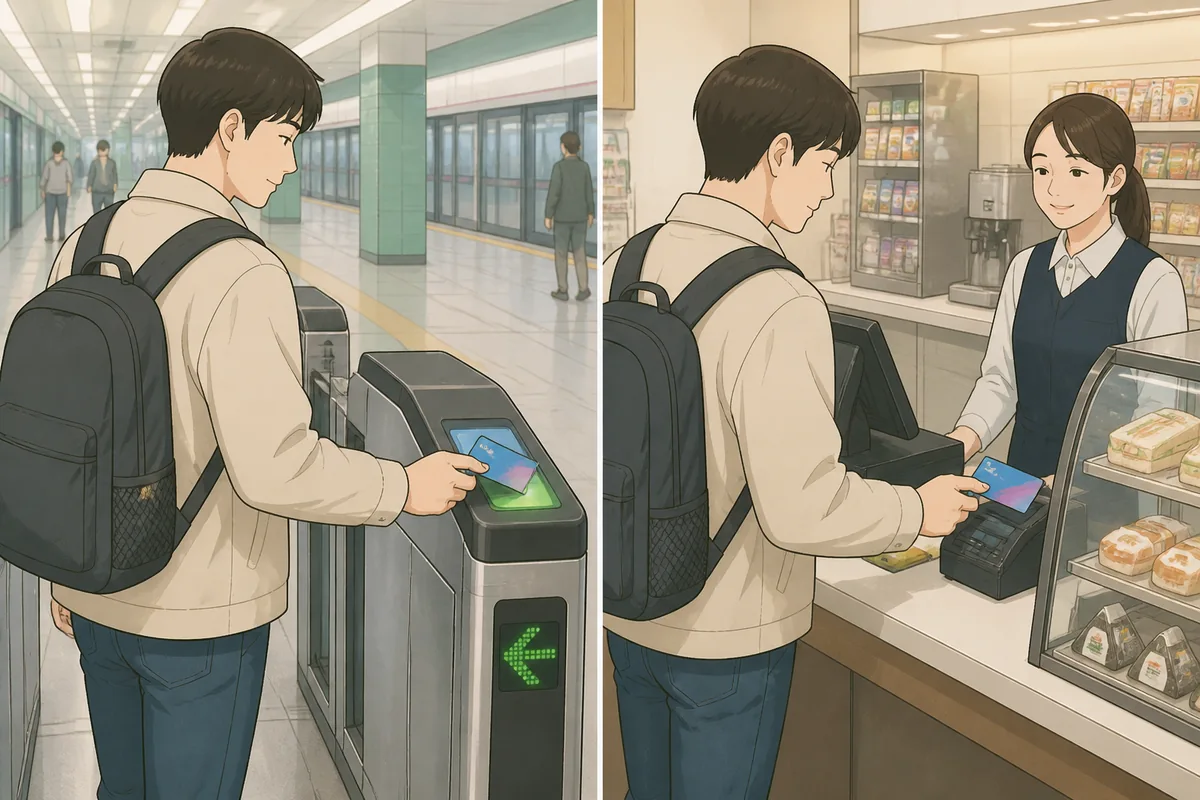
Tap the card on the entry reader, tap again on exit. The fare is deducted from your transit balance automatically. This works on most major city subway systems in Korea — Seoul, Busan, Daegu, and others — because they all use the same national transit card standard. Transfer discounts between subway lines and buses apply the same way they do with T-money.
City Buses
Board at the front, tap the reader near the driver. On routes where you tap out (most intercity and some express buses), tap the reader again when you exit. The transfer discount system works here too, so a subway-to-bus or bus-to-bus transfer within the time window costs less than two separate fares.
Payments at Stores
Convenience stores — GS25, CU, 7-Eleven, Emart24 — accept the transit card balance as payment. Some cafes and small shops do too, though not universally. Think of it as a small prepaid balance for quick purchases, not a full replacement for a credit card or cash.
How to Buy, Receive, and Start Using It
KORAIL Pass+ is sold through authorized channels for foreign visitors. The main options are the official KORAIL website, the Korail Talk app, and select overseas travel agencies that partner with KORAIL. You typically choose your pass type (number of travel days, consecutive or flexible) at the time of purchase.
Physical card delivery depends on where you buy. Some channels ship the card to an overseas address before your trip; others let you pick it up at a KORAIL station in Korea — usually at the ticket office with your booking confirmation and passport. Confirm the pickup or delivery method before completing your purchase, because this detail varies by sales channel.
Once you have the card, the transit balance starts at zero. You add money at subway station recharge machines, at convenience store counters, or at KORAIL ticket windows. The machines at subway stations have an English interface — look for the “Recharge” or “Charge” button on the main screen. Loading ₩20,000–₩30,000 at the start of your trip covers several days of normal city travel for most visitors.
The rail pass portion is activated when you make your first train reservation or, depending on the pass type, from the first date of use. KORAIL’s current activation rules are worth checking when you buy, since flexible-day and consecutive-day passes work differently.
- Buy through an authorized channel and choose your pass type before arrival
- Confirm whether your card ships to you or requires airport or station pickup
- Bring your passport — you will need it for pickup and possibly for reservations
- Recharge the transit balance at any subway station machine or convenience store counter
- Make KTX seat reservations separately at a ticket window, kiosk, or via Korail Talk
- Keep the card topped up; transit readers will decline a zero-balance card
When Pass+ Makes Sense — and When It Does Not
Pass+ earns its value when you are doing both: riding KTX between cities and moving around those cities by subway and bus. A typical itinerary — Seoul to Busan, a few days exploring each city by metro, then back — is exactly the use case it is designed for.
If your trip is mostly one city, a regular transit card (T-money or similar) from a convenience store costs almost nothing and does the subway and bus job just as well. The rail pass portion would then be the only reason to buy Pass+, and you should compare its price against individual KTX tickets for your specific routes.
Travelers who prefer mobile payments — Apple Pay, Samsung Pay, or credit cards — for store purchases will find the payment function on Pass+ less necessary. It is convenient for small cash-equivalent purchases, but it is not the main reason to buy the product.
Groups traveling together each need their own card. Pass+ is non-transferable and tied to the passport of the person who bought it.
Common Misunderstandings Before You Buy
It is not unlimited transit. The subway and bus function requires a charged balance. Running the card to zero means it will not tap in until you recharge it — there is no grace ride or overdraft.
The rail pass does not cover every train type automatically. Some special services or tourist trains operated outside the standard KORAIL network may not be included. Check the current coverage list on KORAIL’s official materials before assuming a specific route is covered.
Seat reservations are not automatic. This surprises many first-time KTX riders. The pass pays for the journey; you still have to reserve a seat. On busy travel dates — Korean public holidays especially — seats sell out well in advance, so reserve early.
The card is for foreigners only. You will need to show a foreign passport when picking up or registering the card. Korean nationals and long-term residents with Korean IDs are not eligible.
Pass+ is not the same as a tourist discount card for attractions. It covers transport and basic payments. It does not include museum entry, theme park tickets, or similar perks unless a specific promotion bundles those in — which is not a standard feature of the product.
Who Gets the Most From KORAIL Pass+
The clearest fit is a visitor spending two weeks or more traveling between multiple Korean cities by KTX, with several days in each city using public transit to get around. One card handles the whole trip without switching between a rail ticket and a separate transit card at every station.
Short-stay visitors doing a single Seoul-Busan round trip and mostly staying in one area will likely find that individual KTX tickets plus a ₩3,000 T-money card from a convenience store is cheaper and simpler.
First-time visitors who feel more comfortable having everything on one card — even if it costs a little more — also benefit from the reduced friction of not managing multiple cards and top-up systems.
Is KORAIL Pass+ the same as KORAIL PASS?
No. KORAIL PASS is a train-only pass. KORAIL Pass+ adds a rechargeable transit and payment card function to the same physical card, so you can use it on subways, buses, and at convenience stores as well as on KORAIL trains.
Can I use KORAIL Pass+ on the subway and bus in Korea?
Yes, as long as the transit balance is topped up. Tap the card on subway entry and exit readers, and on bus readers when boarding. The fare comes out of the prepaid balance, not the rail pass days.
Do I still need a T-money or WOWPASS card if I buy Pass+?
Not for subway and bus use — Pass+ handles that. Whether you need a separate card for other purposes depends on your trip. If you want a backup payment method or plan to use services that only accept specific card types, having a second card is reasonable. For most city transit, Pass+ covers it.
How do I buy and receive KORAIL Pass+ as a foreign visitor?
Purchase through the official KORAIL website, the Korail Talk app, or an authorized overseas travel agency. Delivery options vary: some channels ship the card internationally before your trip, others require pickup at a KORAIL station in Korea with your passport and booking confirmation. Check the delivery method for your chosen channel before completing the purchase.
What kind of traveler gets the most value from KORAIL Pass+
Visitors making multiple intercity KTX trips across a two-week or longer trip, who also plan to use city subways and buses regularly. The combined card saves the hassle of managing separate rail and transit products. Short-stay or single-city visitors usually do better with individual tickets and a basic T-money card.
Note: This guide is for travel navigation in Korea. It is not medical, legal, or emergency professional advice. For urgent situations, contact local emergency services, official staff, or your embassy/consulate as appropriate.