Elevator Signs Explained: What You Need to Know
elevator signs explained in Korea usually means learning a few common written phrases: 점검 중 (jeomgeom jung) means under inspection, 운행 중지 (unhaeng jungji) means out of service, and 최대 정원 (choedae jeongwon) means maximum capacity. Most signs are routine building notices, not emergencies, but you should always check the date, time, and any safety instructions before using the elevator.
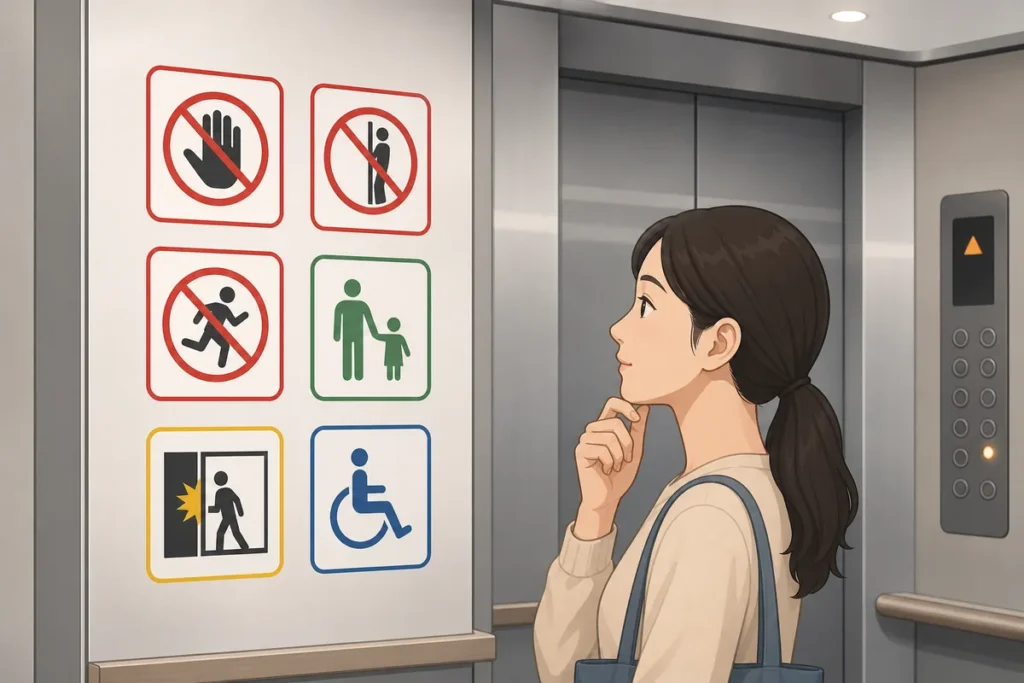
Table of Contents
- Introduction
- Button Labels Inside the Elevator
- Door Control Buttons
- Maintenance and Inspection Notices
- Out-of-Service Signs
- Capacity Limits and Weight Notices
- Emergency Buttons and Alarms
- Safety Warnings
- Common Situations You Will Encounter
- What Foreigners Often Get Wrong
- Useful Korean Phrases for Elevator Issues
- Warnings and Things to Check
- FAQ
- Summary
Introduction
elevator signs explained simply can make everyday life in Korea much easier, especially in apartments, office buildings, and shopping centers. Many elevator notices use formal written Korean, so even people who can speak some conversational Korean may not recognize them right away.
You may see paper notices taped to the doors, small labels inside the cab, or warning stickers near the buttons. Some are routine maintenance messages, while others are safety reminders. This guide focuses on the most common signs and what they usually mean in real life.
Note: If a notice is unclear, treat it cautiously. Do not assume the elevator is available just because the doors are open.
Button Labels Inside the Elevator
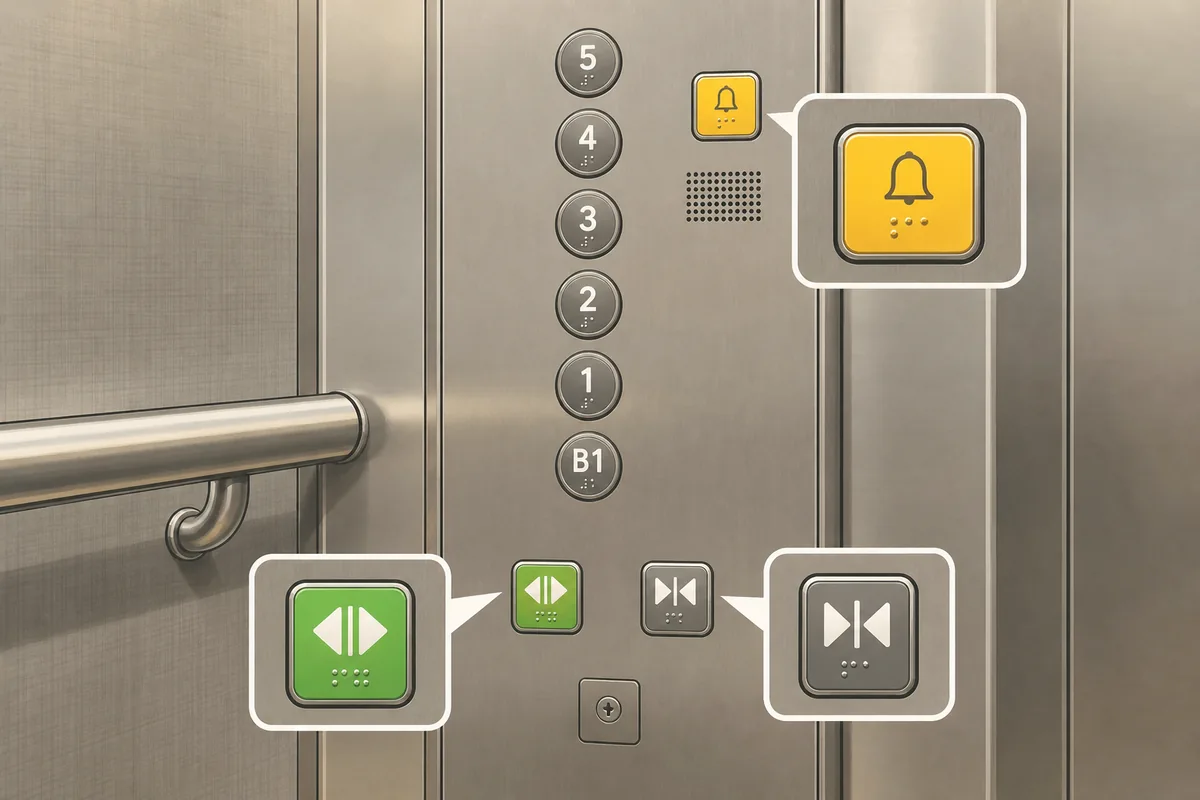
Most floor buttons are easy to understand, but the non-number buttons can be confusing at first. These are the most common labels you will see.
Common Button Labels
Door Control Buttons
Door buttons are often labeled only in Korean, so it helps to remember the two main words. 열림 means open and 닫힘 means close. If the symbols are worn down, the Korean text is the easiest clue.
Press 열림 if you need a little more time to let someone in. Press 닫힘 only when you want the door to close sooner and nobody is entering.
Maintenance and Inspection Notices
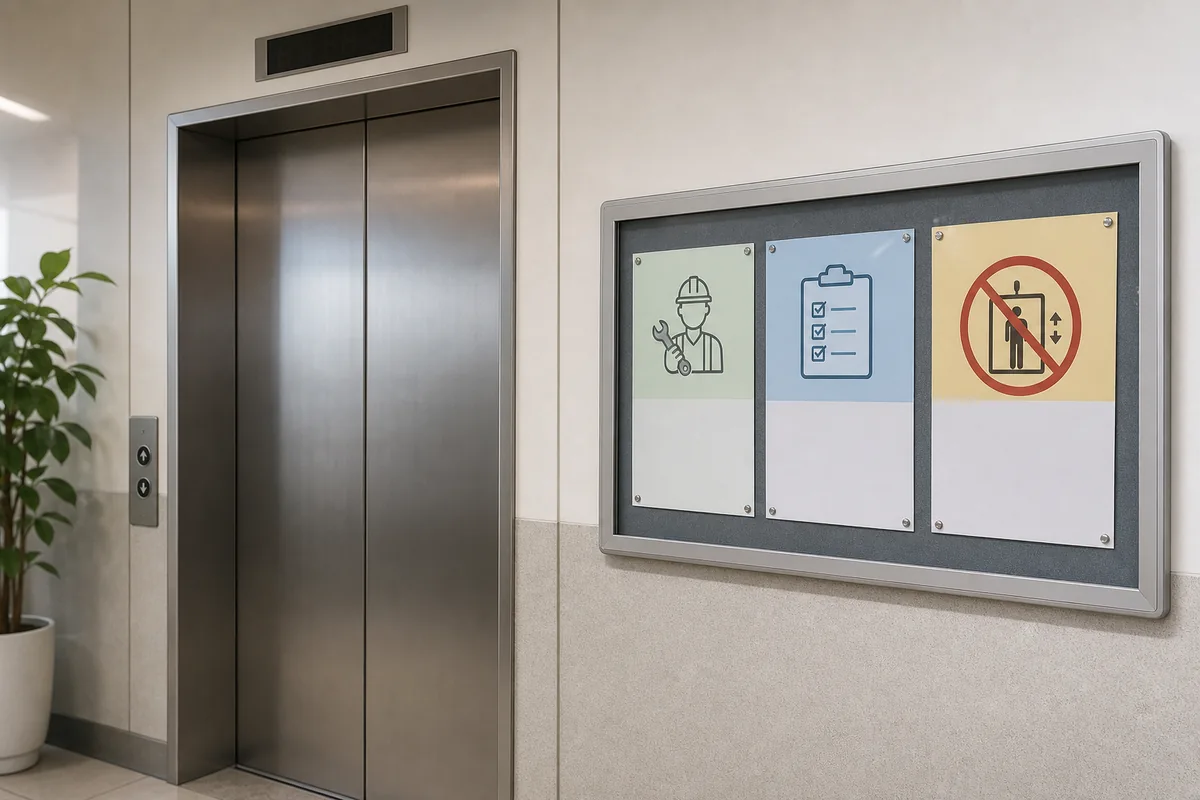
Many buildings in Korea must post inspection and maintenance notices in advance. These signs may look serious, but they often mean only a routine check for a specific date and time.
Key Words in Inspection and Maintenance Notices
Korean dates often appear in the format year/month/day, such as 2025년 6월 15일 오전 10시. 오전 means AM and 오후 means PM.
Out-of-Service Signs
If an elevator is not working, you may see a clear notice on the door or the call button may be covered. In that case, do not try to use it even if the doors appear closed.
Out-of-Service Sign Vocabulary
Capacity Limits and Weight Notices
Elevators in Korea usually show the maximum number of people and the maximum load weight. These details help prevent overload and keep the elevator operating safely.
If the elevator is overloaded, it may beep and refuse to move until someone steps out. That is a safety feature, not a broken elevator.
Emergency Buttons and Alarms
Most elevators have an emergency intercom or alarm. If you are trapped or the elevator stops unexpectedly, use the emergency system and stay calm.
Emergency-Related Labels
If someone answers in Korean, you can say 엘리베이터에 갇혔어요 (I am trapped in the elevator). Keep the line open and wait for instructions.
Safety Warnings
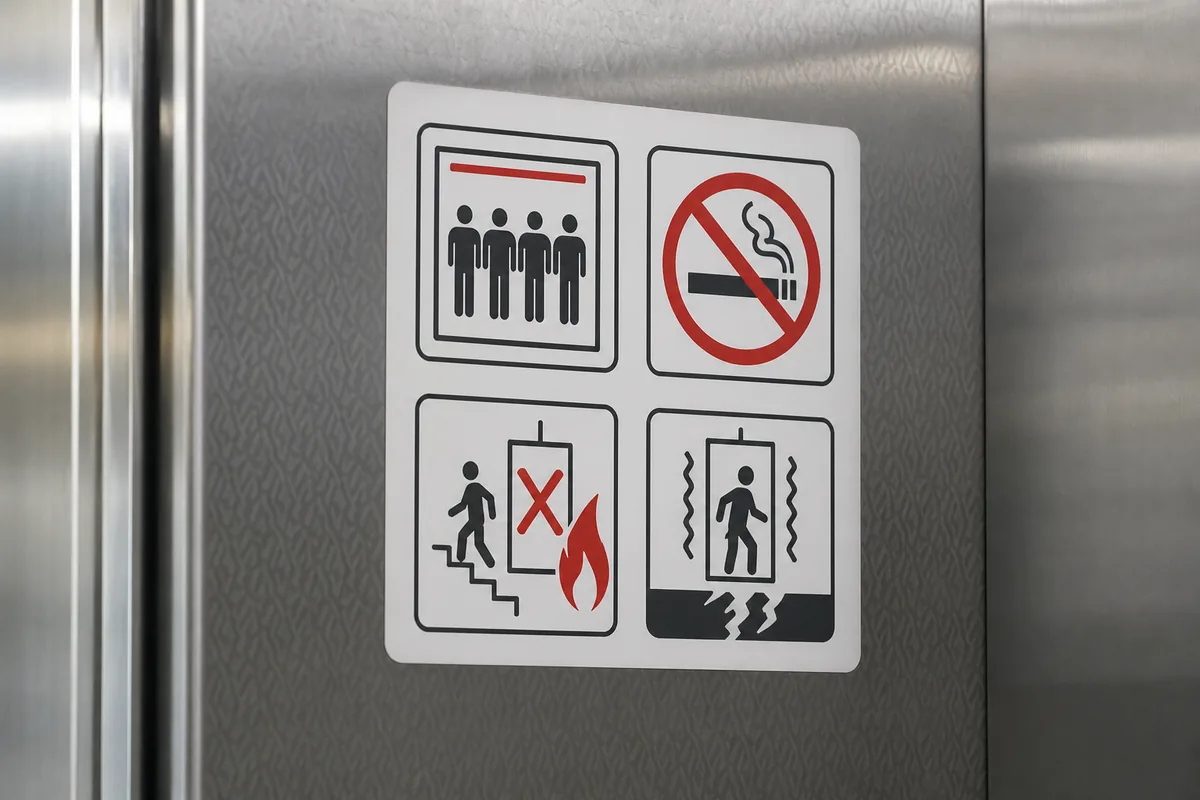
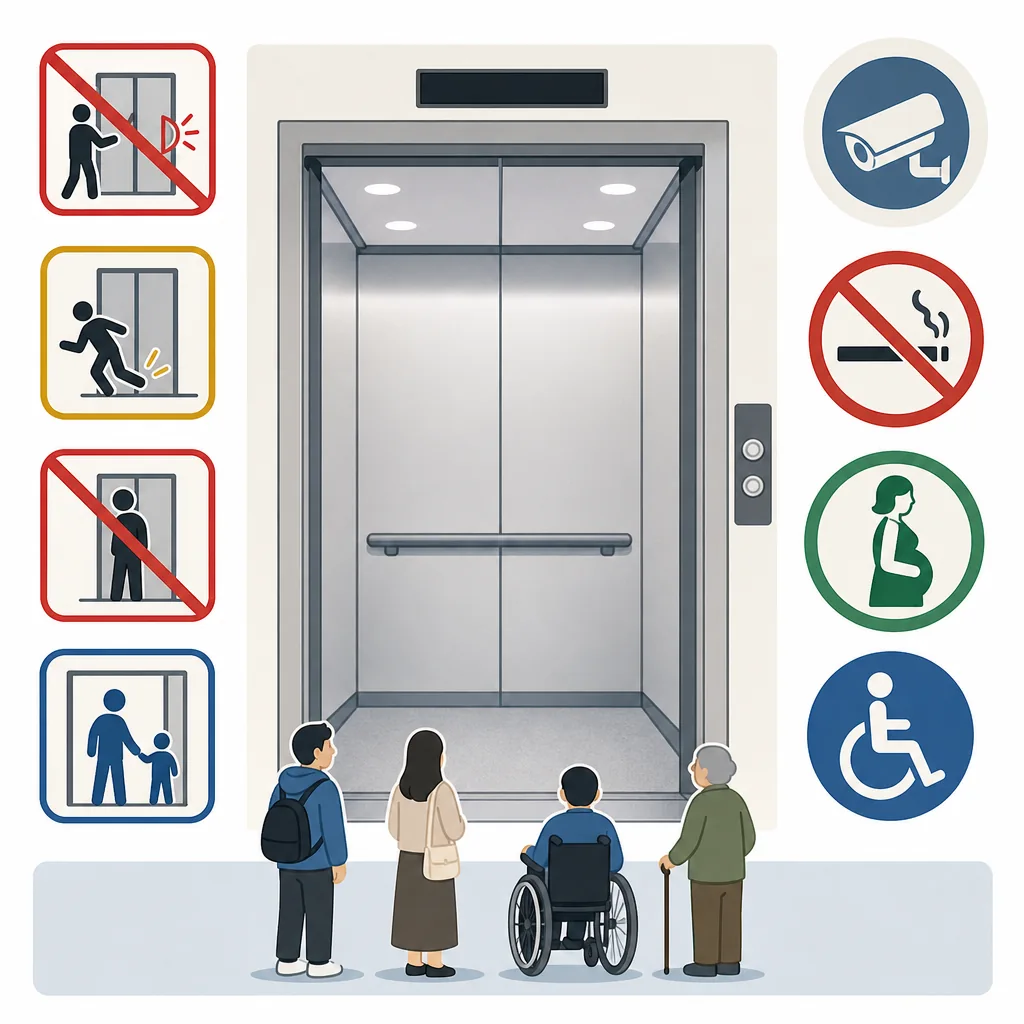
Safety labels inside elevators are usually short and direct. They may be printed on stickers near the buttons or on the wall inside the cab.
Common Safety Warning Phrases
Common Situations You Will Encounter
Situation 1: A Paper Notice Is Taped to the Door
This is often a routine announcement, repair notice, or moving-day reminder. Check the date first. If the date has passed, the notice may simply not have been removed yet.
Situation 2: The Elevator Does Not Come
Press the call button once and wait. If nothing lights up, the elevator may be unavailable or under maintenance. Look for a sign on the door or near the call panel.
Situation 3: The Elevator Stops and the Doors Do Not Open
Use the open button first. If that does not work, press the emergency button and stay inside. Do not force the doors open.
Situation 4: A Moving Notice Is Posted
In apartment buildings, the elevator may be reserved for moving or delivery at certain times. Look for phrases about moving goods or reserved use.
What Foreigners Often Get Wrong
One common mistake is assuming a posted notice is only informational. In many buildings, it is a real instruction about service hours or safety. Another mistake is confusing 점검 중 with a minor delay. It often means the elevator should not be used right then.
Foreigners also sometimes miss the difference between 고장 and 수리 중. Both suggest a problem, but 고장 means the elevator is broken, while 수리 중 means repair work is already happening.
Useful Korean Phrases for Elevator Issues
Simple Phrases
FAQ
What does 점검 중 mean on an elevator sign?
It usually means the elevator is under inspection and should not be used until the work is finished.
What should I do if the elevator says 운행 중지?
Do not use it. Find another elevator, stairs, or building staff for help.
Is it safe to use an elevator during a fire?
No. Follow the fire safety notice and use the stairs instead.
Why do Korean elevators have so many notices?
Buildings often post maintenance, inspection, moving, and safety notices in advance, so you may see more written signs than you expect.
Summary
elevator signs explained in Korea mostly comes down to recognizing a few key words: inspection, repair, out of service, capacity, and emergency. If you remember the main labels and check the date on any posted notice, you can usually tell whether the elevator is safe and available to use.