Daiso Korea Explained: What You Need to Know
- Buy small, light, and simple — these are almost always good value.
- Skip items where size, fit, or durability is the whole point.
- Check the branch size before going; small branches often have limited travel and gift sections.
- Confirm prices in-store — stock and pricing vary by location and season.
- Grab travel accessories first; they sell out faster than household items.
- For gifts, stick to stationery and compact organizers — they pack flat and look good.
- Do a quick squeeze or bend test on any plastic or fabric item before buying.
What Daiso Korea Is and Why Tourists Go There
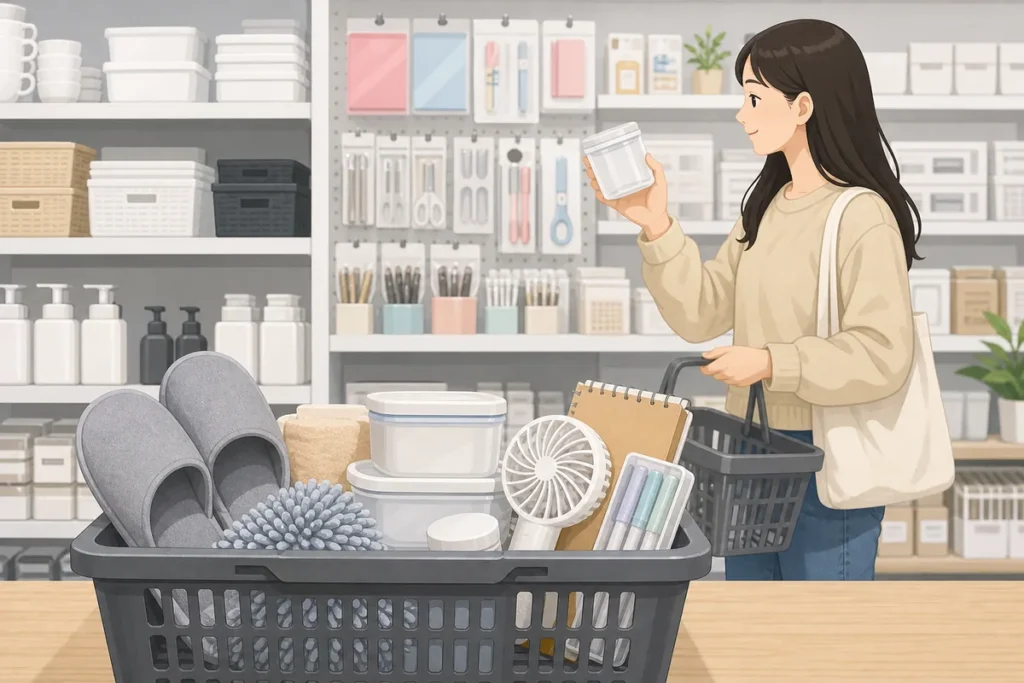
Daiso Korea is useful when you need cheap travel items, simple household goods, or easy souvenirs, but not every product is a good deal for tourists. The best buys are usually small, lightweight, practical items; the worst buys are often anything where size, material, or durability really matters.
Daiso Korea is a fixed-price variety store selling everything from travel accessories and stationery to kitchen tools, seasonal decorations, and basic beauty items. It is not a souvenir shop, and it is not a pharmacy. Think of it as a well-organized general store where the price is low but the quality range is genuinely wide.
Tourists visit for two main reasons: practical needs and easy gifts. You forgot a travel pouch, you need a cheap umbrella, or you want to bring home something small and Korean-feeling without spending much. Daiso handles all three reasonably well — as long as you know which categories to trust and which to leave on the shelf.
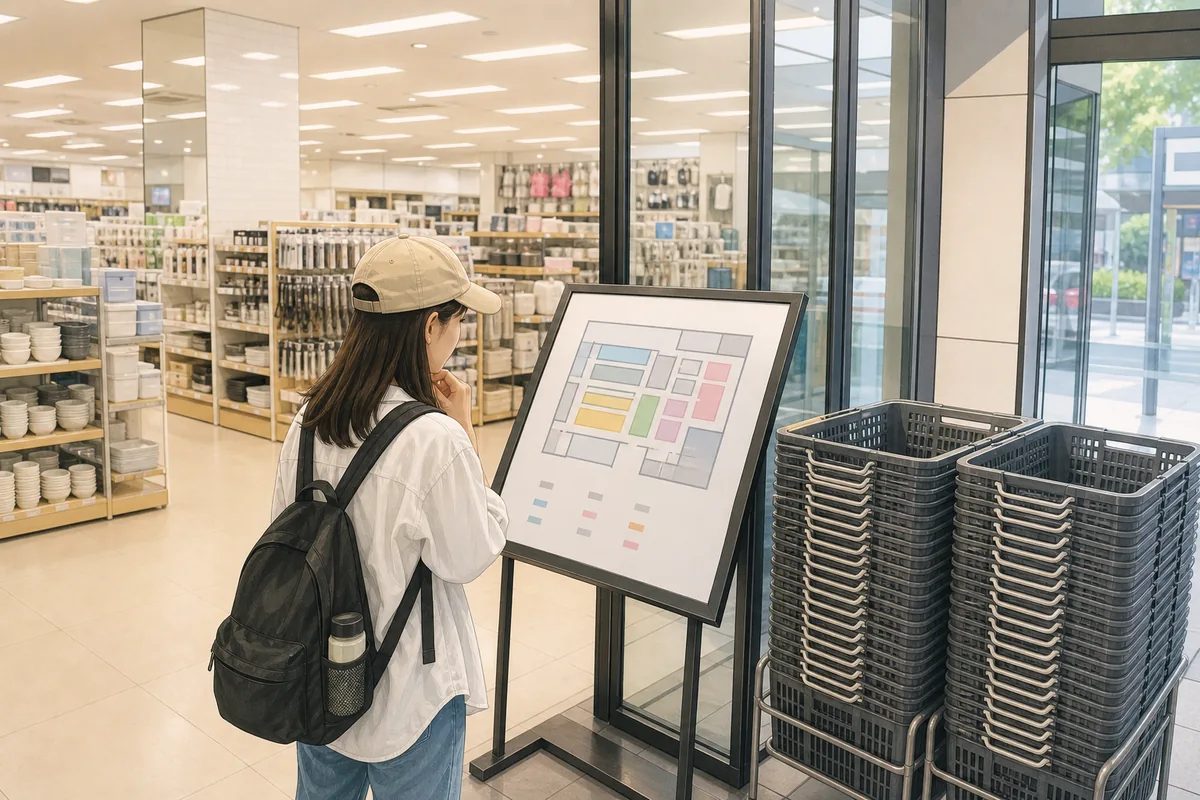
The chain has hundreds of branches across Korea, from standalone multi-floor stores in major shopping districts to small single-floor units tucked into subway station buildings. That size difference matters more than most visitors expect.
Best Things Tourists Can Buy
The safest purchases share a few traits: they are small, they do not need to fit your body, and they do not need to last more than a trip or two. Daiso Korea consistently delivers on these.
Stationery is one of the strongest categories. Notebooks, washi tape, sticky notes, pens, and small planners are well-designed, often Korean-aesthetic in style, and extremely cheap. A notebook that would cost three or four times as much in a European stationery shop sells here for a fraction of that price. Quality is reliable because the product just needs to hold together, not perform under stress.
Travel accessories are another strong area — more on those below. And the seasonal section, which rotates throughout the year, often has charming items: holiday-themed pouches, decorative tins, and small gift sets that feel more considered than the price suggests.
this topic Travel Items Worth Checking First
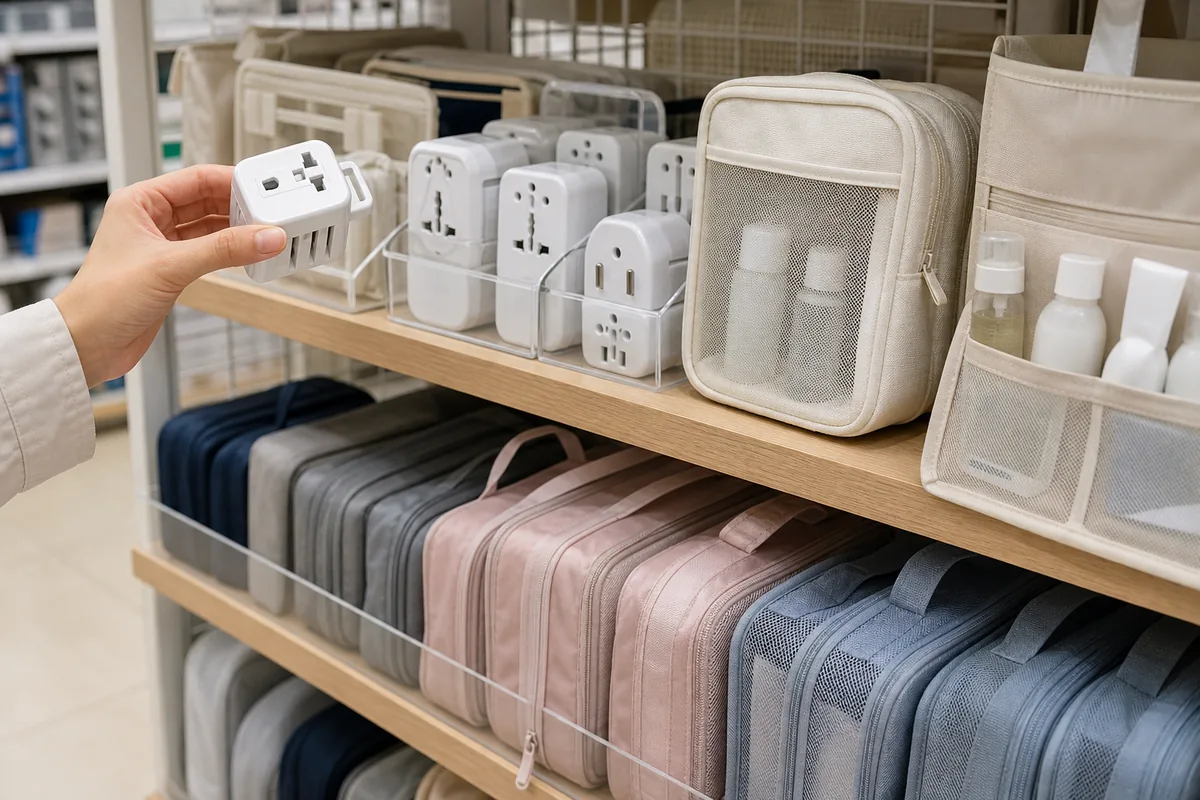
This is where most tourists get the most value. Walk to the travel or luggage accessories section first — in larger branches it is usually clearly signed — and look for these:
- Compression bags and packing cubes — fine for a trip or two; do not expect years of use, but for one journey they are excellent value.
- Travel-size bottles and containers — small silicone squeeze bottles, leak-proof jars, and refillable spray bottles. Useful if you forgot to decant your skincare before flying.
- Luggage tags and cable organizers — cheap enough that losing one is not a problem.
- Foldable tote bags — lightweight, compact, and handy for day trips or shopping overflow.
- Travel pillows and eye masks — functional, not luxurious. Fine for a long bus ride.
- Portable hooks and clips — the small over-door hooks are genuinely useful in Korean guesthouses and goshiwons where storage is tight.
One honest note: the travel pillows and compression bags are not built for frequent travelers. If you are already well equipped, you probably do not need them. But if you realized mid-trip that you are missing something, Daiso is the fastest and cheapest fix.
Useful Household and Everyday Items
If you are staying in a self-catering apartment or a longer-stay accommodation, Daiso covers a lot of small gaps. Kitchen sponges, dish soap, plastic wrap, basic cutlery, and small storage boxes are all solid purchases. You are not getting premium materials, but for a week-long stay they are perfectly adequate.
Cleaning supplies — microfiber cloths, bathroom scrubbers, lint rollers — are consistently good value. The lint roller in particular is one of those items that Daiso does well at every price point.
Stationery and desk organizers are worth a second mention here. If you work while traveling, a cheap cable tidy, a small document folder, or a set of index tabs can make a shared workspace much more manageable. These items are light, they pack flat, and the Korean stationery design aesthetic makes them feel like a small treat rather than a utility purchase.
Souvenir and Gift Picks That Are Easy to Pack
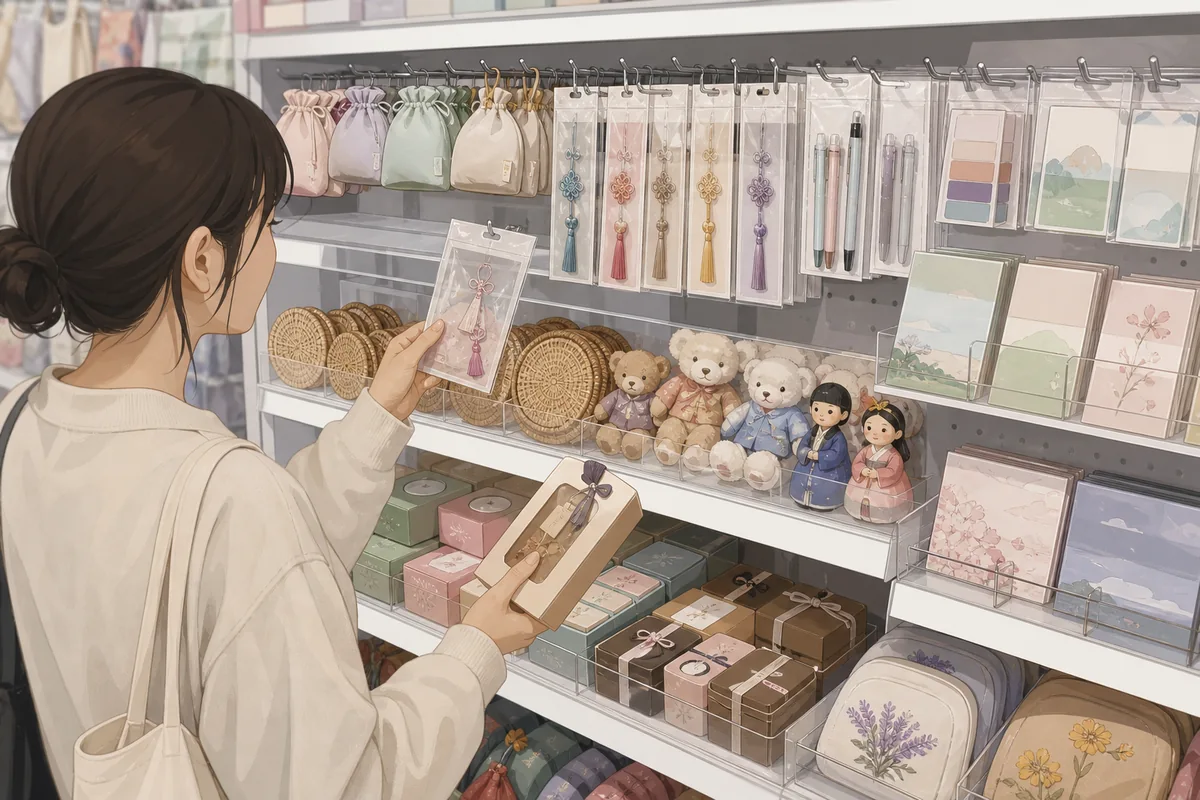
Daiso is not marketed as a souvenir shop, but it works well as one for a certain kind of gift: small, flat, and clearly Korean in design without being kitschy.
The best gift picks tend to be:
- Washi tape and sticker sets — Korean stationery design is popular internationally, and a set of washi tapes costs almost nothing here.
- Small pouches and zipper bags — seasonal designs often have a distinctly Korean look.
- Cute storage tins — especially during holiday seasons when the packaging is more decorative.
- Novelty kitchen items — small rice molds, chopstick rests, or decorative food picks that are functional but also feel like a cultural reference.
- Face mask accessories — not the sheet masks themselves, but the small silicone face tools, headbands, and applicators that are useful to beauty fans.
Avoid buying food or snacks as gifts from Daiso — the food section is limited and the products are not the kind of Korean snacks that make good gifts. For that, a convenience store or a dedicated snack shop is a better choice.
What Is Usually Not Worth Buying
The categories where Daiso disappoints are predictable once you understand the pattern: anything that needs to fit your body, hold significant weight, or last more than a season tends to underperform.
- Shoes, slippers, and insoles — sizing is inconsistent and the materials wear out quickly. Fine for one-night use in a guesthouse, but not worth it otherwise.
- Umbrellas — the folding umbrellas are genuinely flimsy. They work in light rain, but a strong summer storm will destroy one quickly. If rain is a real concern, spend a bit more at a convenience store or a proper umbrella shop.
- Electronics and cables — basic phone cables and adapters are available, but quality control is inconsistent. For anything you rely on to charge a device you care about, buy elsewhere.
- Clothing items — socks, basic undergarments, and sleep masks are hit or miss. The fabric quality varies widely and sizing does not always match international standards.
- Skincare products — Daiso sells basic skincare, but this is not where Korean skincare shines. For actual K-beauty products, go to Olive Young or a dedicated beauty retailer.
- Anything requiring exact measurements — storage boxes, drawer organizers, and shelf inserts are cheap, but the dimensions are not always printed clearly and the fit in a non-Korean home or suitcase is unpredictable.
How Store Size and Branch Type Change the Selection
This is one of the most practical things to know before you go. A large Daiso — the kind you find in Myeongdong, Hongdae, or major shopping malls — is a completely different experience from a small branch near a residential subway stop.
Large branches typically have:
- A dedicated travel accessories section
- A wider stationery and craft section
- Seasonal gift displays
- More variety in storage and kitchen items
- Better stock of popular items
Small branches often carry only the fastest-moving basics: cleaning supplies, a few stationery items, some kitchen goods, and whatever seasonal stock fits in the space. If you are specifically going for travel pouches or gift items, a small branch is likely to disappoint.
In tourist-heavy areas like Myeongdong, the Daiso branches are large and well-stocked specifically because the foot traffic demands it. If you are staying outside the main tourist zones, it is worth checking whether the nearest branch is a full-size store before making a special trip.
Quality Differences to Watch for
this topic does not have a single quality level — it has a wide range, and the price does not always tell you which end of that range you are getting. A few quick checks help.
For plastic items: flex it slightly before buying. Brittle plastic that cracks under light pressure will not survive a trip home in a packed suitcase. Softer, more flexible plastic usually holds up better.
For fabric items: check the stitching at the corners and seams. Loose threads or uneven stitching on a pouch or bag usually mean it will not last long. Tight, even stitching is a good sign even at low prices.
For stationery: open the notebook or test the pen before you commit. Most stationery items are reliable, but pens especially vary — some write smoothly, some skip immediately.
For anything with a zipper or closure: test it a few times in the store. A zipper that catches or sticks on the first try will only get worse.
The general rule is that Daiso quality is acceptable for the price, but it is not uniform. A two-second physical check before buying saves regret later.
this topic Quick Buying Checklist for First-Time Visitors
Use this while you are standing in the store:
- Is this item small and light? If yes, it is probably worth buying.
- Does this item need to fit my body or a specific space? If yes, check the dimensions carefully or skip it.
- Am I buying this because I need it, or because it is cheap? Cheap items you do not need still cost money and add weight to your bag.
- Have I done a quick physical check — flex, squeeze, zip, or write? If not, do it now.
- Is this a gift? Would it pack flat and look intentional, or does it look like a last-minute filler? Stick to stationery and pouches for safe gift picks.
- Am I in a large branch or a small one? If small, do not expect the full range — come back to a bigger store for travel accessories and gift items.
- Is this something I could buy better elsewhere — a pharmacy, beauty store, or electronics shop — for only a little more? If yes, it is probably not worth the Daiso version.
Useful Signs and Words to Know in Daiso
Frequently Asked Questions
What can tourists buy at this topic?
The most practical tourist purchases are travel accessories (packing cubes, travel bottles, cable organizers), stationery (notebooks, washi tape, sticker sets), basic household items for self-catering stays, and small gifts that pack flat. The store covers a wide range of categories, but the best value is in small, lightweight, simple items.
Is this topic cheaper than buying the same thing at a convenience store or airport?
For most practical items — travel pouches, basic organizers, stationery — yes, Daiso is noticeably cheaper than a convenience store and significantly cheaper than airport retail. Convenience stores are faster and more accessible, but Daiso wins on price for anything beyond snacks and drinks. Airport prices for the same category of item are usually much higher.
Are this topic products good quality?
Quality varies by category. Stationery, storage pouches, and basic travel accessories are generally reliable for the price. Plastic items, fabric goods, and anything with moving parts (zippers, clasps) are more inconsistent — do a quick physical check in the store before buying. Do not expect durability beyond a trip or a season for most items.
What should I not buy at this topic?
Skip umbrellas if real rain protection matters, electronics and charging cables if you are relying on them for a device you care about, shoes and slippers unless it is a one-night emergency, and skincare products if you want actual K-beauty results. For skincare, go to a dedicated beauty retailer. For cables and electronics, a proper electronics store is worth the extra cost.
Daiso Korea Explained becomes easier to handle when you recognize the situation and follow the practical steps above.
Daiso Korea Explained becomes easier to handle when you recognize the situation and follow the practical steps above.
Note: This guide is for travel navigation in Korea. It is not medical, legal, or emergency professional advice. For urgent situations, contact local emergency services, official staff, or your embassy/consulate as appropriate.
For official information, check Visit Korea official travel information.