Gangwon Bigger Than You Think: What You Need to Know
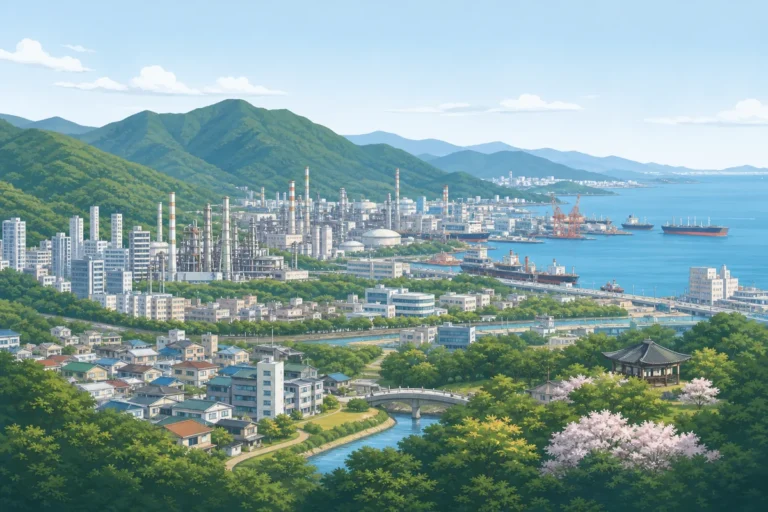
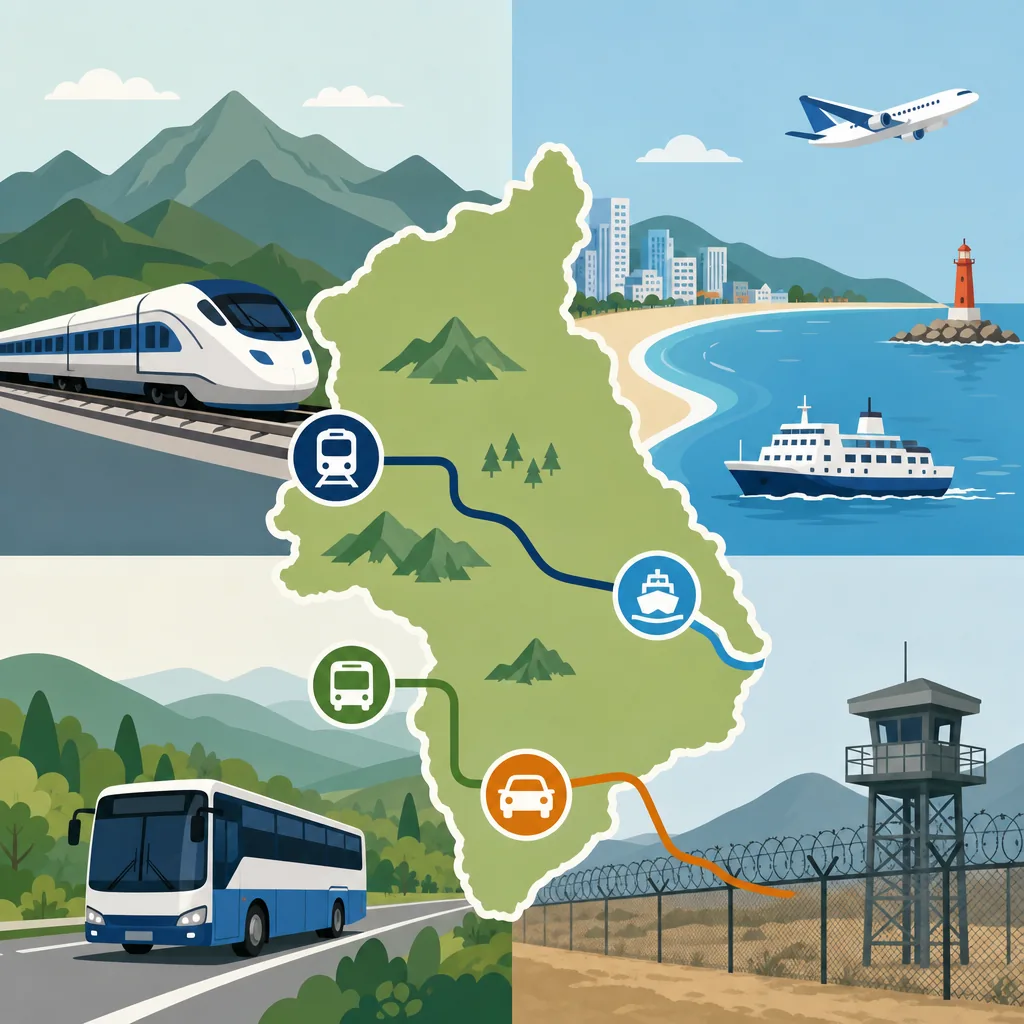
The Gangwon region is much bigger and more spread out than most first-time visitors expect. Gangneung and Sokcho are east-coast cities, Chuncheon is inland, Pyeongchang is mountain and resort country, and the far north reaches toward the Korean border. If you try to treat them like one small area, your travel times will be wrong from the start.
What to Do First
- Choose one base area first: coast, inland, mountains, or border region.
- Check real travel time before building a route between cities.
- Assume mountain roads will take longer than the map suggests.
- Plan Gangneung and Sokcho as separate stops unless you have plenty of time.
- Confirm whether your hotel is near the beach, a terminal, or a resort area.
- Use Naver Map or Kakao Map for door-to-door time, not straight-line distance.

When This Guide Helps
This Gangwon region guide helps when you are planning a first trip and want a simple mental map before booking hotels or day trips. It is especially useful if you know the names Gangneung, Sokcho, Chuncheon, or Pyeongchang, but do not yet know how far apart they are.
It also helps when you are choosing whether to stay in one place or split your trip across several parts of the province. In Gangwon, that choice matters because the coast, inland city areas, mountain resorts, and border-side towns are not clustered together.
What to Do First
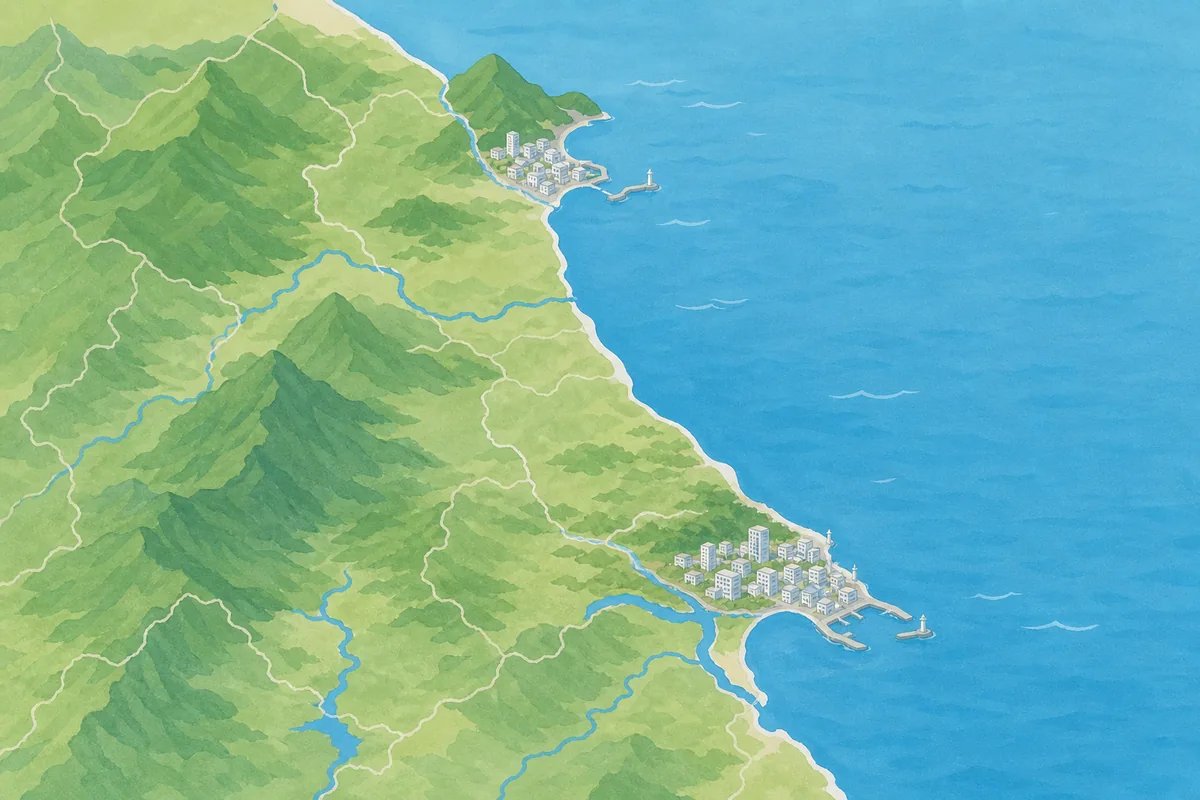
Start by dividing the Gangwon region into four travel zones:
- East Coast: Gangneung, Sokcho, Donghae, and Samcheok. These are the beach-and-sea cities.
- Inland: Chuncheon. This is a lake-and-city base, not a beach base.
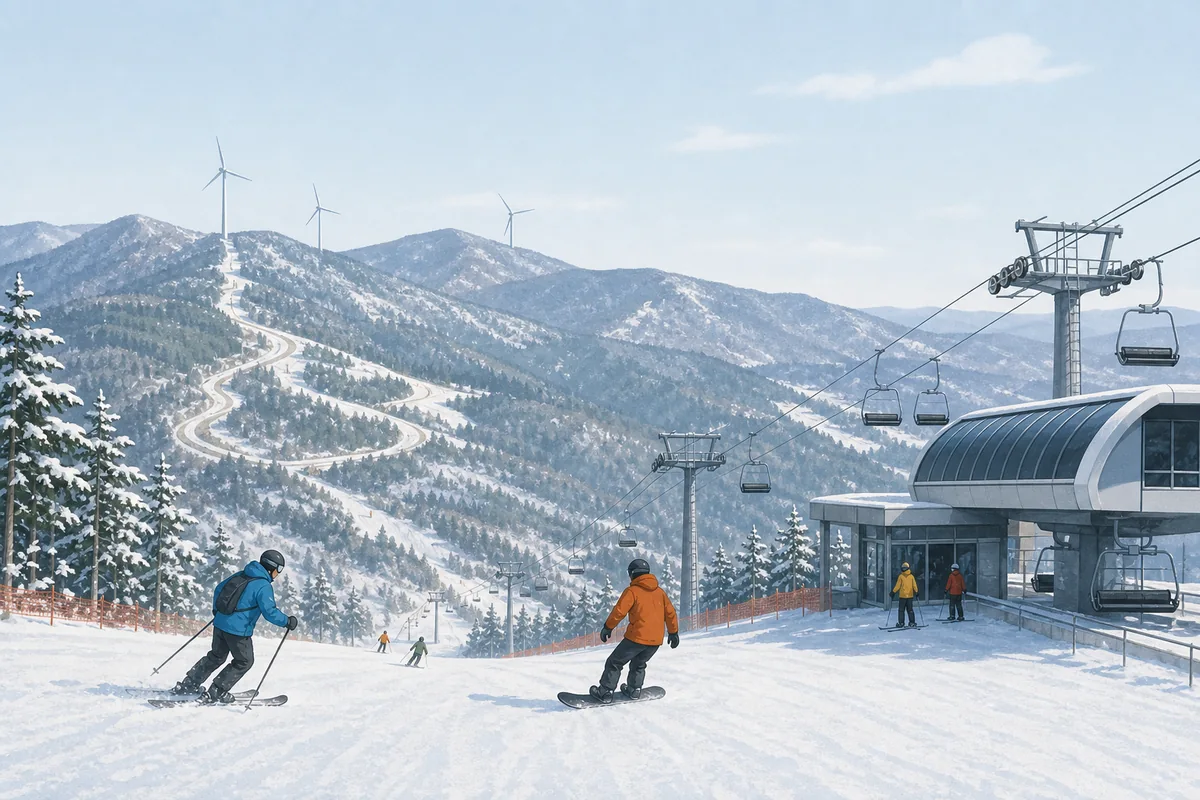
- Mountains and resorts: Pyeongchang and nearby highland areas. This is ski and resort territory.
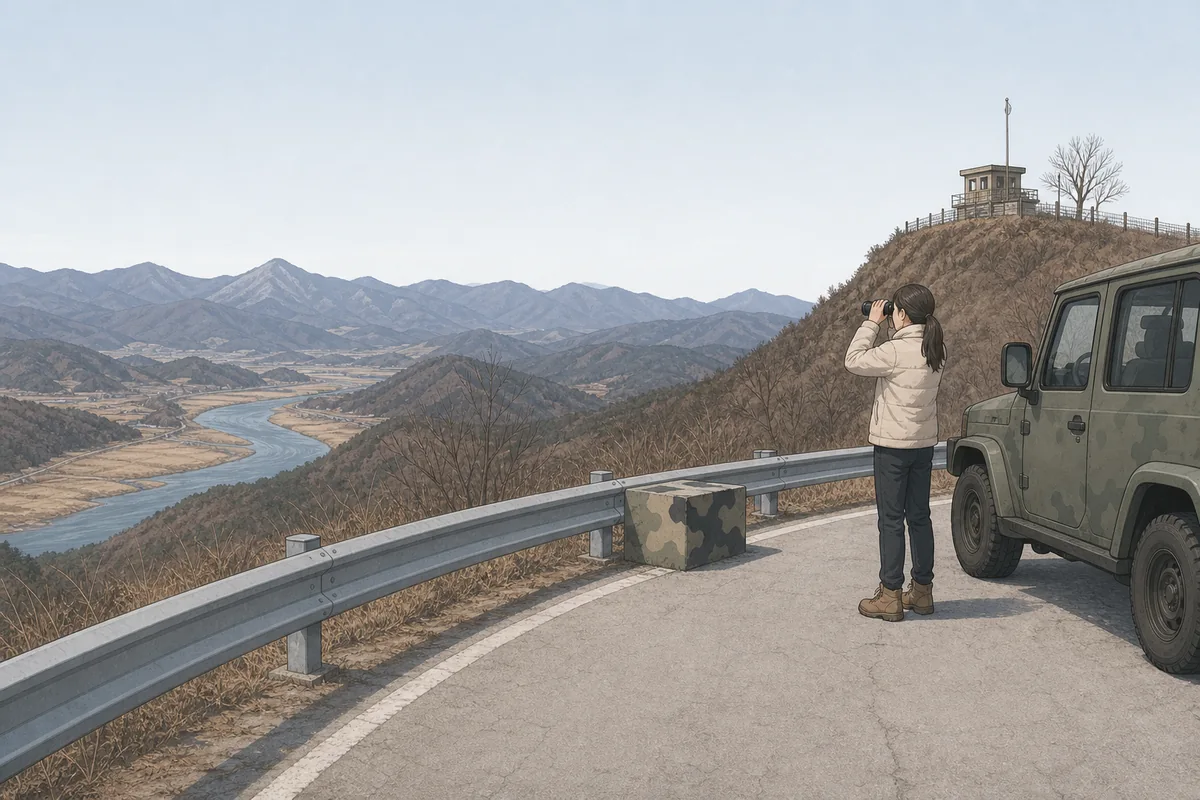
- Border-side north: The far northern parts of Gangwon stretch toward the Korean border.
Once you think in zones instead of city names, trip planning becomes much easier. A route that looks short on a map can still take a long time because mountains run through the province and road routes bend around them.
Gangwon region distance by travel pattern
| Travel pattern | What it means | Planning tip |
|---|---|---|
| Coast to coast | Gangneung to Sokcho and similar east-coast routes | Plan as separate city stops, not as one quick hop |
| Coast to inland | Gangneung or Sokcho to Chuncheon | Expect a full transfer, not a short detour |
| Coast to mountains | Gangneung to Pyeongchang | Useful for one route, but not for a packed same-day loop |
| Inland to border-side north | Chuncheon toward far northern Gangwon | Check transport early and avoid back-to-back long legs |
These are planning patterns, not fixed schedules. Actual time depends on the route, weather, season, and whether you are using bus, train, or car.
The simplest way to read the province
If you want one sentence to remember, use this: the Gangwon region is coast on one side, mountains through the middle, and border-adjacent land in the north. That geography is why distances feel bigger than they look.
For example, Gangneung and Sokcho both sit on the east coast, but they are still separate cities. Chuncheon sits inland and connects more naturally with the western side of the province. Pyeongchang sits in mountain terrain, so it fits resort travel better than beach travel. The north side of Gangwon adds another layer, since some areas are much closer to the border than visitors expect.
Korean phrases you can show
These short phrases help when you are asking about routes, terminals, or distance in the Gangwon region.
Useful Korean signs or words
These are the most useful words to recognize on transport boards and road signs in Gangwon Province.
Where to get help
Major stations and terminals in Gangwon Province usually have staffed information desks. If you are unsure which platform, terminal, or exit to use, ask there first.
Tourist information centers are also common near major sightseeing zones, especially around the east coast and popular resort areas. They are a good place to confirm basic route direction, nearby terminals, and whether you are in a beach, mountain, or inland area.
For route checking, use Naver Map or Kakao Map. Both are practical for seeing travel time between Gangneung, Sokcho, Chuncheon, Pyeongchang, and other Gangwon destinations.
Common Mistakes
- Assuming all of Gangwon is a beach region.
- Trying to do Gangneung, Sokcho, and Pyeongchang in one rushed day.
- Thinking Gangneung and Sokcho are next door because they are on the same coast.
- Booking a base in Chuncheon and expecting easy access to Seoraksan.
- Ignoring mountain roads when traveling in winter.
- Forgetting that the northern part of the province stretches toward the border, not just the sea.
Gangwon Province in Plain Terms
Gangwon Province is large, varied, and divided by terrain that slows travel. Think of it as four separate travel zones: east coast, inland city, mountain resort, and border-side north. If you choose one zone as your base and check actual travel time before combining stops, your trip will feel much easier and much more realistic.
Gangwon Bigger Than You Think becomes easier to handle when you recognize the situation and follow the practical steps above.
Gangwon Bigger Than You Think becomes easier to handle when you recognize the situation and follow the practical steps above.
FAQ
Is Gangneung close to Sokcho in Korea?
They are both east-coast cities, but they are not right next to each other. Plan on real travel time between them, not just the fact that they share the same coastline.
Is Pyeongchang a beach area?
No. Pyeongchang is an inland mountain and resort area, not a coastal city. It is best planned as a mountain base, especially for ski or resort trips.
Why does Gangwon feel so big on a map?
Because the province stretches across coast, mountains, inland cities, and northern border areas. The mountain spine in the middle makes direct travel slower than it looks on a flat map.
Can a visitor visit Gangneung, Sokcho, and Pyeongchang in one day?
You can connect them, but it makes for a long travel day. Most visitors are better off choosing one zone or splitting the trip into separate days.
Note: This guide is for travel navigation in Korea. It is not medical, legal, or emergency professional advice. For urgent situations, contact local emergency services, official staff, or your embassy/consulate as appropriate.
Sources & Verification
- AREX 공항철도 — www.arex.or.kr
Last checked: July 30, 2026