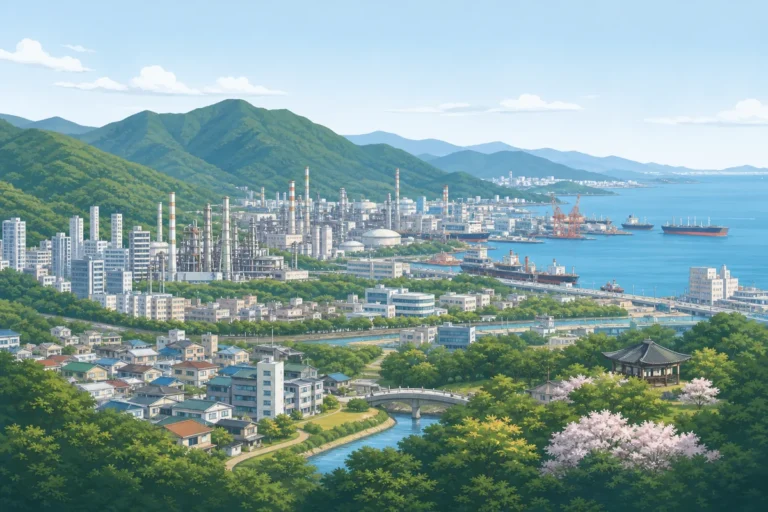
Why Gwangju Matters: What You Need to Know
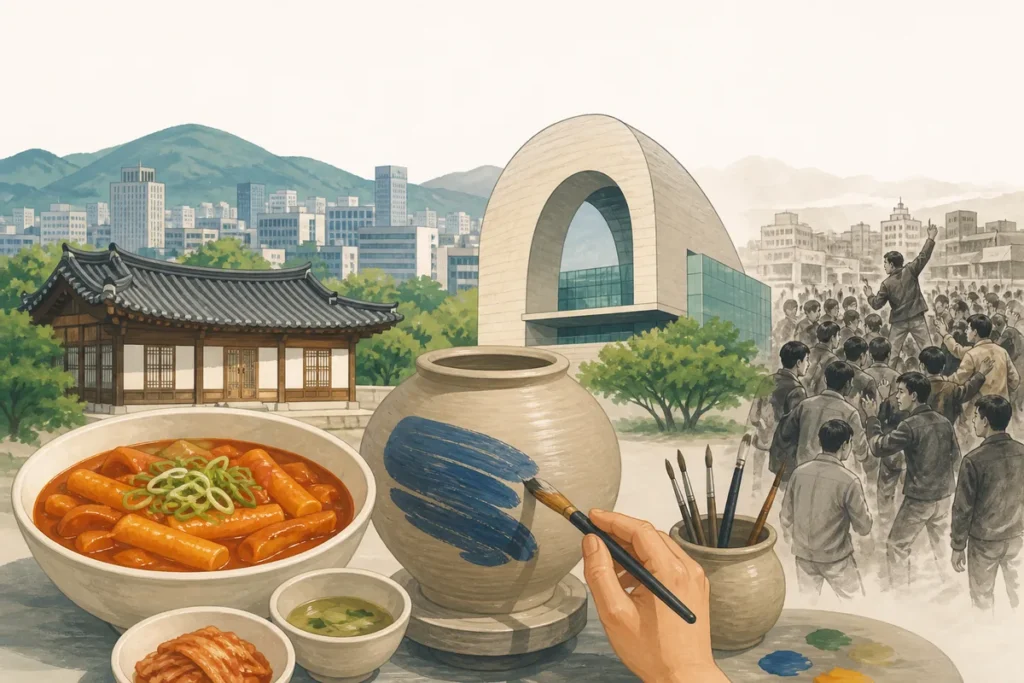
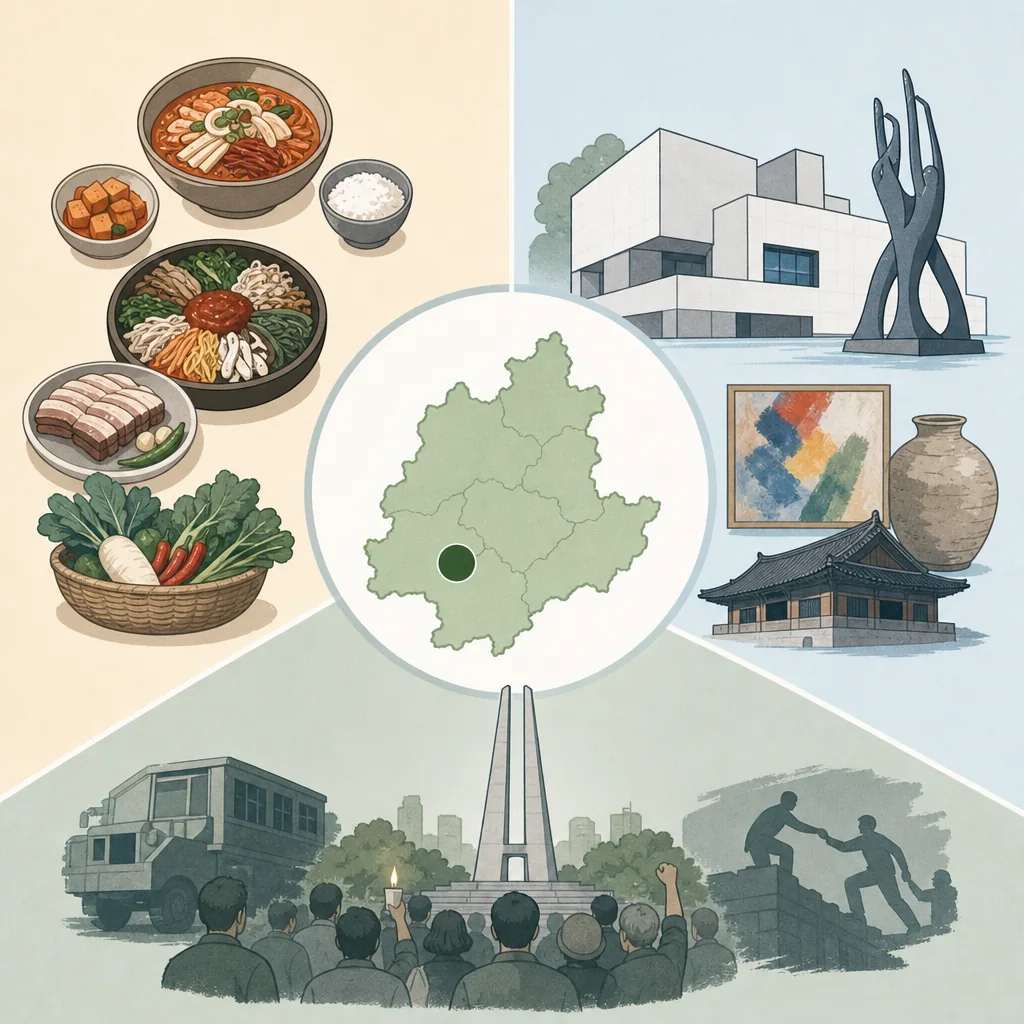
If you want to understand gwangju matters, start with this: the city is one of the clearest places to see modern Korean democracy history, Jeolla food culture, and a serious arts scene in one trip. That mix is what gives Gwangju its identity, and it’s why many travelers leave with a better read on Korea beyond Seoul.
What to Do First
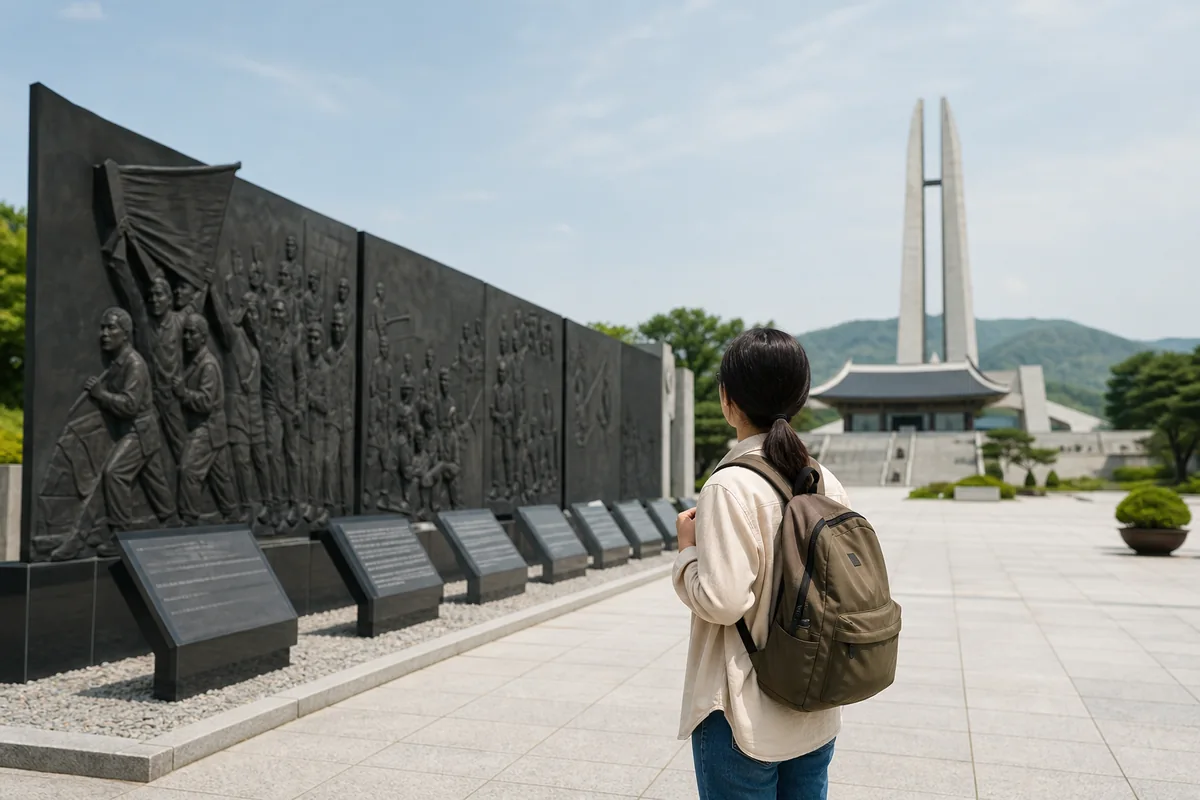
- Visit a May 18 memorial site or cemetery first so the city’s history has context.
- Walk a traditional market early to see local food culture at a normal pace.
- Plan one proper Jeolla-style meal, not just a snack stop.
- Spend time in a cultural district or major museum to see how art shapes the city.
- Give yourself at least a full day so the visit does not feel rushed.
When This Guide Helps
If you are trying to figure out why this city is discussed with so much respect, gwangju matters because it combines history, food, and art in a way that feels alive rather than packaged for tourists. This guide is for first-time visitors who want a practical explanation of what the city stands for and what to notice when they arrive.
What gwangju matters Means in Modern Korea
Gwangju is more than a regional city in southwest Korea. It is a place that helps explain how Korea’s modern identity was shaped outside the capital. The city represents the Honam region’s strong local character, and that identity shows up in how people talk about history, how they eat, and how they support public culture.
For many visitors, the surprise is how complete the city feels. You can move from a memorial site to a market to a contemporary art space in the same day and still feel that each part belongs to the same story. That is a big reason gwangju matters to travelers who want more than a standard city break.
Why Gwangju Is Linked to Democracy History
Gwangju is closely associated with the May 18 Democratic Uprising in 1980, when citizens resisted military rule and the city became a defining symbol of Korea’s democratic struggle. That history still shapes the way Gwangju is understood today. It is not treated as distant background; it remains part of the city’s living identity.
For visitors, the main takeaway is simple: the memorial sites are not just attractions. They are places where history is presented with care and dignity. If you want to understand why gwangju matters, this history is the starting point.
Why Food Matters in Gwangju
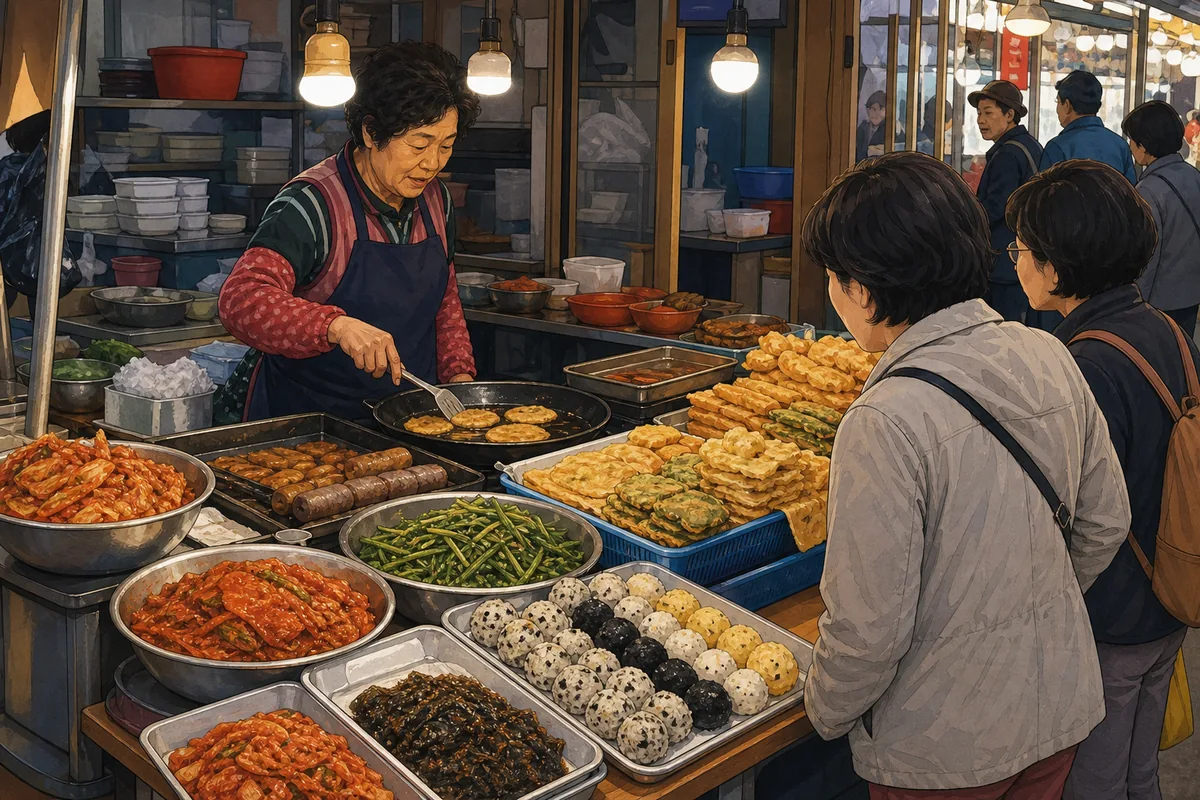
Food is one of the strongest reasons people remember the city. Gwangju sits in the Jeolla region, which is widely known for generous table settings, deep seasoning, and a strong market food culture. Meals often arrive with many side dishes, and local restaurants tend to take pride in the quality and variety of what they serve.
Traditional markets are especially useful for visitors because they show how locals actually eat. You can see prepared foods, seasonal ingredients, rice cakes, seafood, and home-style dishes all in one place. If you want a quick way to feel why gwangju matters, sit down for a full local meal and then walk a market afterward.
Why Art Fits Into the City’s Identity
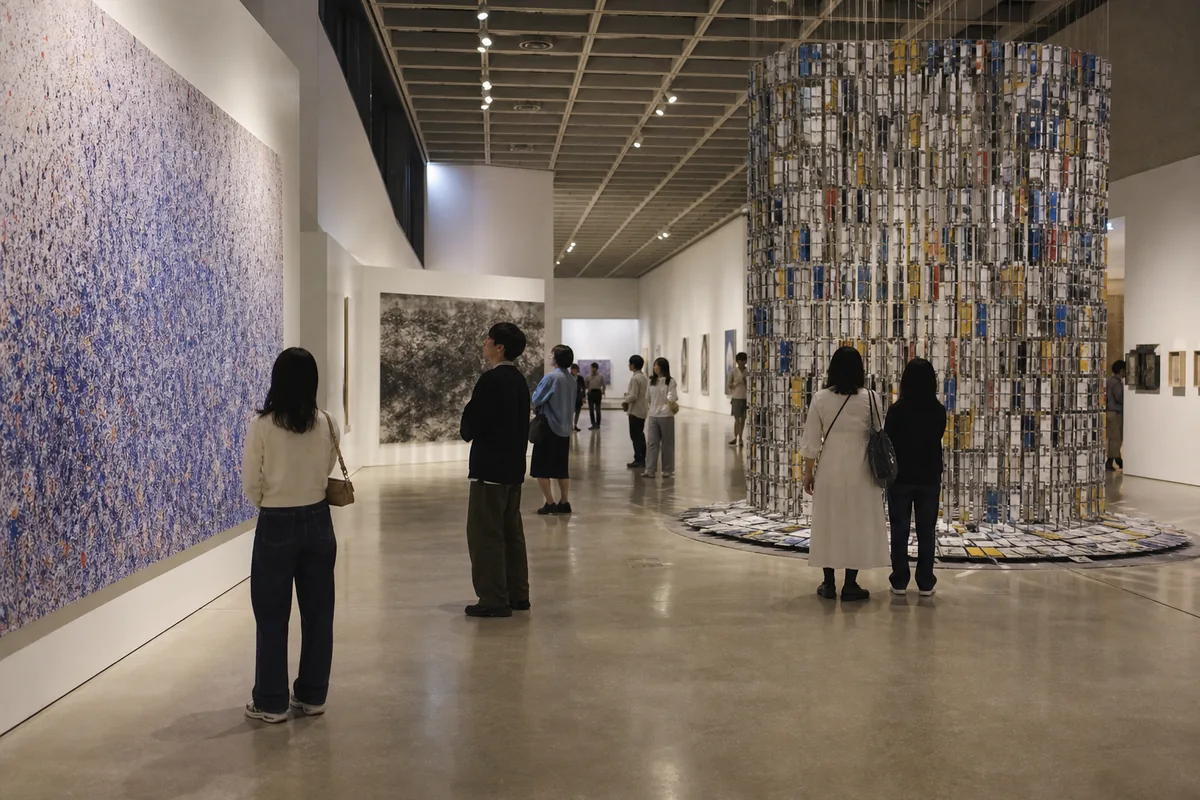
Art is not an extra layer in Gwangju; it is part of how the city tells its own story. The Gwangju Biennale helped make the city an international art name, and the Asia Culture Center adds a major public cultural space that visitors can actually use. Together, they show that Gwangju sees culture as a civic statement, not just entertainment.
That connection between memory and creativity is important. The city’s cultural spaces grew alongside efforts to process its history and create a stronger public identity. That is another reason Gwangju matters for travelers who care about how places define themselves.
What First-Time Visitors Usually Notice
Most first-time visitors notice three things quickly: the city feels thoughtful, the food comes in generous portions, and the historical sites carry real emotional weight. Gwangju is not built around flashy tourism. It feels more local, more reflective, and more rooted in everyday life.
You may also notice that people are proud of the city in a very direct way. That pride comes from history, but also from the belief that Gwangju has its own voice. If you understand that, you understand why Gwangju matters to so many Koreans.
Korean Phrases You Can Show
Useful Korean Signs or Words
Where to Get Help
If you need orientation in the city, start with a staffed tourist information desk or the information counter at a major cultural venue. Those places are the easiest way to get maps, directions, and simple English-language guidance. The 1330 Korea Travel Hotline is also a reliable help line for general travel questions in Korea.
At memorial halls and museums, ask for English materials at the entrance. Staff are usually used to helping international visitors, and that makes the history easier to follow without turning the visit into a research project.
Common Mistakes
- Trying to treat Gwangju as a half-day stop.
- Skipping the history and going only for food.
- Expecting a Seoul-style shopping or nightlife city.
- Choosing only tourist-facing restaurants instead of local spots.
- Forgetting that the art scene is part of the city’s identity, not a side note.
Why Gwangju Matters: The Short Version
Gwangju matters because it helps you see modern Korea through democracy memory, regional food, and public art all at once. If you visit with that frame in mind, the city feels clear, grounded, and memorable.
FAQ
Why is Gwangju important in Korean history?
Gwangju is closely tied to the May 18 Democratic Uprising, a major moment in Korea’s movement toward democracy. That history remains central to the city’s identity.
What food is Gwangju known for?
Gwangju is known for Jeolla-style food, especially generous set meals, rich side dishes, and strong market food culture.
Is Gwangju worth visiting for art?
Yes. The city has major cultural venues and a well-known contemporary art identity, including the Gwangju Biennale and the Asia Culture Center.
What should a visitor do first in Gwangju?
Start with a memorial site or museum, then add a market visit and one local meal. That gives you the fastest sense of the city’s identity.
Note: This guide is for travel navigation in Korea. It is not medical, legal, or emergency professional advice. For urgent situations, contact local emergency services, official staff, or your embassy/consulate as appropriate.
Sources & Verification
- VISITKOREA – Imagine Your Korea — english.visitkorea.or.kr
- NATIONAL MUSEUM OF KOREA — www.museum.go.kr
Last checked: July 30, 2026