DaeGiPyo Meaning in Korea: How to Get a Waiting Ticket at Restaurants, Clinics, and Stores
The dae gi pyo meaning is simple: it is a waiting ticket or queue number slip used in Korea to manage lines in busy places.
If you have ever walked into a busy Korean restaurant or clinic and wondered why everyone seems calm despite a long wait, the answer is the dae gi pyo meaning system — a simple, organised queue ticket that tells you exactly when it is your turn. The word 대기표 (dae gi pyo) literally breaks down into 대기 (waiting) and 표 (ticket or slip), so it means a waiting ticket, a queue number, or a take-a-number slip. Once you understand how it works, navigating busy places in Korea becomes much less stressful.
This guide walks you through everything a beginner needs to know: where to find the ticket, how to read the display board, and what to do if you miss your call.
Dae Gi Pyo Meaning: What You Need to Know
대기표 means a waiting ticket or queue number slip. You take or print one when you arrive at a busy place — a restaurant, clinic, hospital, government office, or store — and then wait until your number appears on a screen or is called aloud. It is Korea’s standard way of managing queues fairly and efficiently. You do not need to stand in a physical line; you simply watch the number board or listen for your number.
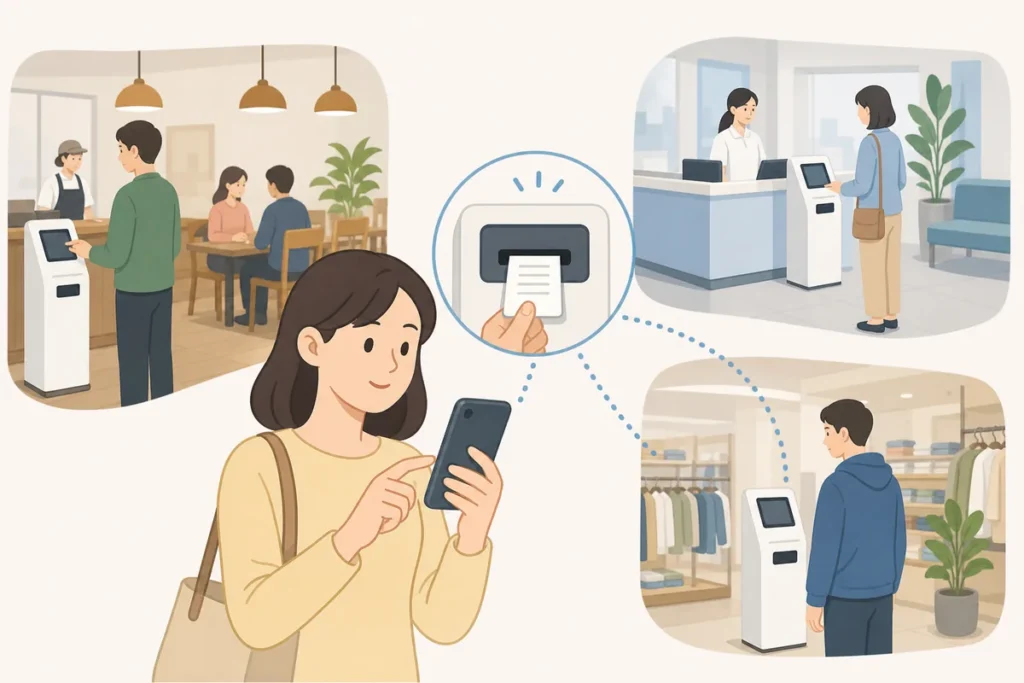
Table of Contents
- What Is a 대기표 and Why Does Korea Use It?
- How to Get Your Waiting Ticket Step by Step
- How to Read the Display Board
- Common Situations: Restaurants, Clinics, and Stores
- What Foreigners Often Get Wrong
- Useful Korean Phrases
- Warnings and Things to Check
- Frequently Asked Questions
- Summary
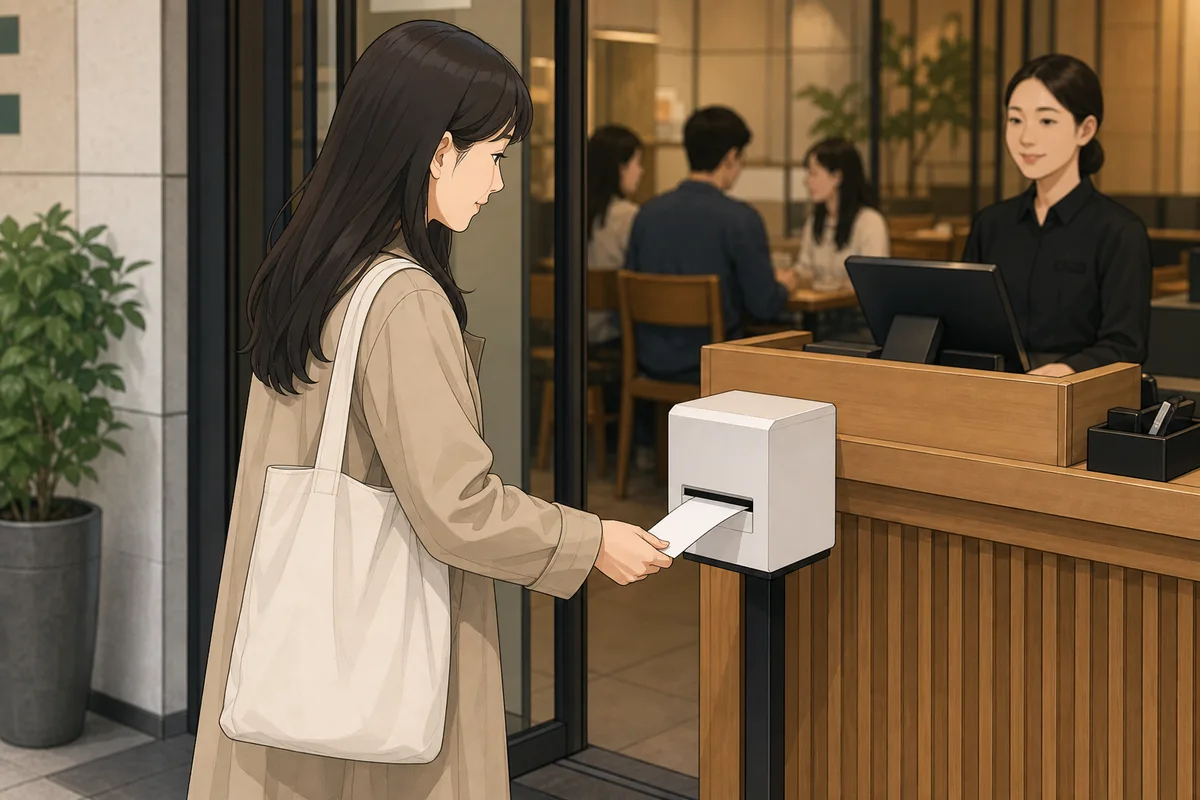
What Is a 대기표 and Why Does Korea Use It?
Korea is a fast-paced society that values efficiency and fairness. Rather than making people stand in long, uncomfortable lines, many businesses and public offices use a numbered ticket system so that everyone can sit, look around, or even step outside briefly while they wait. The dae gi pyo is your proof that you are in the queue. Without it, staff may not know you are waiting, and you could be skipped entirely.
You will encounter this system in a wide range of places:
- Popular restaurants and Korean barbecue spots
- Hospital outpatient departments and local clinics
- Government offices such as the immigration office or district (구청) counters
- Bank branches and post offices
- Beauty salons and nail shops
- Electronics stores and mobile phone shops
- Some large pharmacies and supermarket service desks
The ticket itself can be a small paper slip from a dispenser, a printed receipt from a touchscreen kiosk, or a digital number sent to your phone through a restaurant’s app or Kakao channel. The format varies by place, but the idea is always the same: your number is your place in line.
How to Get Your Waiting Ticket Step by Step
Step 1 — Look Near the Entrance
As soon as you arrive at a busy place, look near the entrance or reception area before you do anything else. The ticket dispenser, kiosk, or sign-in sheet is almost always positioned right at the door or just inside it. Do not walk straight to a counter or table, because the staff may assume you are browsing rather than waiting.
Step 2 — Take a Paper Slip or Use the Kiosk
There are two main formats you will see:
- Paper dispenser: A small box or stand with a roll of numbered tickets. You simply pull one ticket out. The number printed on it is your queue position.
- Touchscreen kiosk: A tablet or machine where you tap a button, sometimes select the number of people in your group, and then the machine prints or displays your number. Some kiosks ask for your phone number so they can send a text message alert when your turn is near.
If a staff member is standing nearby, they may hand you the ticket directly or ask how many people are in your group (몇 명이에요? — myeot myeong-i-e-yo). Answer with a number and hold up the same number of fingers if you are unsure of the pronunciation.
Step 3 — Watch the Display Board and Listen
After you have your ticket, find the digital display board. It usually shows the number currently being served. When your number appears — or when a chime sounds and a voice announces your number — go to the counter, reception desk, or wait to be guided to your seat.
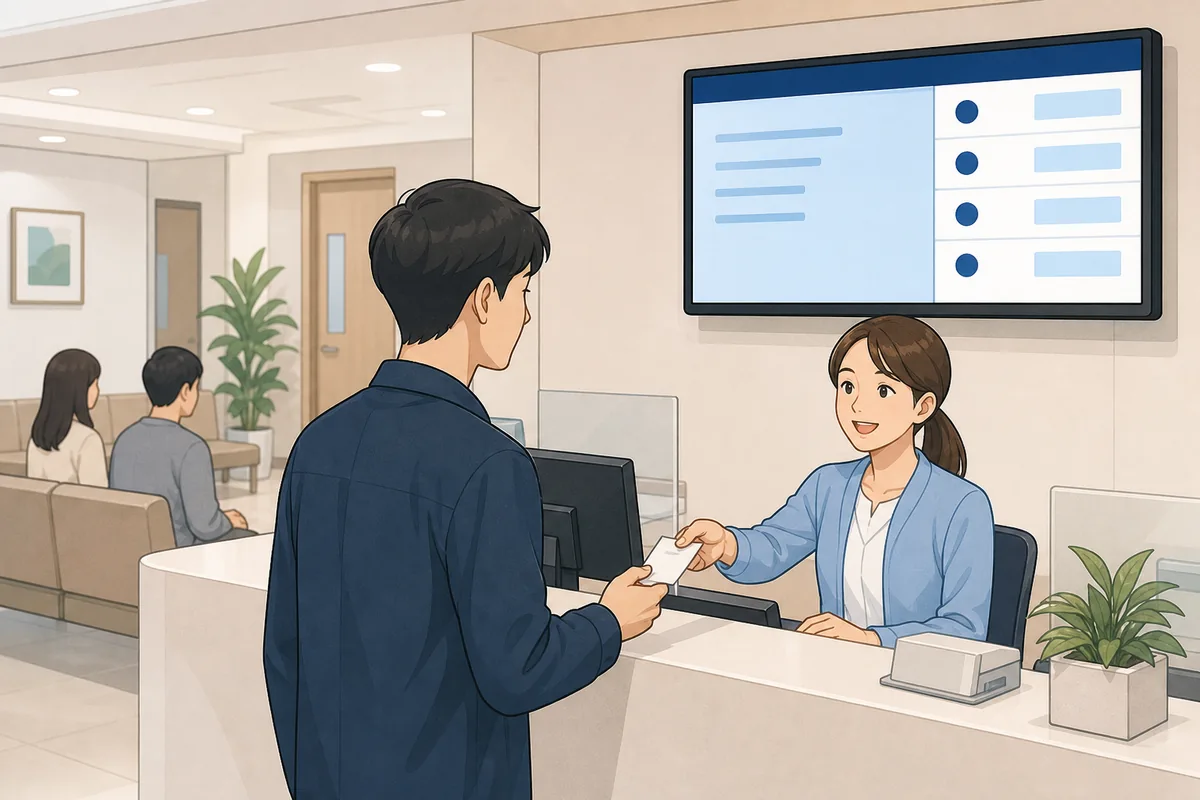
How to Read the Display Board
Most display boards in Korea follow a simple layout. The large number in the centre or at the top is the number currently being called. Smaller numbers nearby may show the next one or two numbers coming up. Some boards also show estimated waiting time in minutes.
Key things to look for on the board:
- 현재 번호 (hyeon-jae beon-ho): Current number being served
- 대기 번호 (dae-gi beon-ho): Your waiting number
- 대기 인원 (dae-gi in-won): Number of people still waiting ahead of you
- 예상 대기 시간 (ye-sang dae-gi si-gan): Estimated waiting time
If the board shows 37 and your ticket says 42, you have roughly five turns to wait. Each turn can take anywhere from two minutes to ten minutes depending on the place, so plan accordingly.
Common Situations: Restaurants, Clinics, and Stores
Restaurants and Cafés
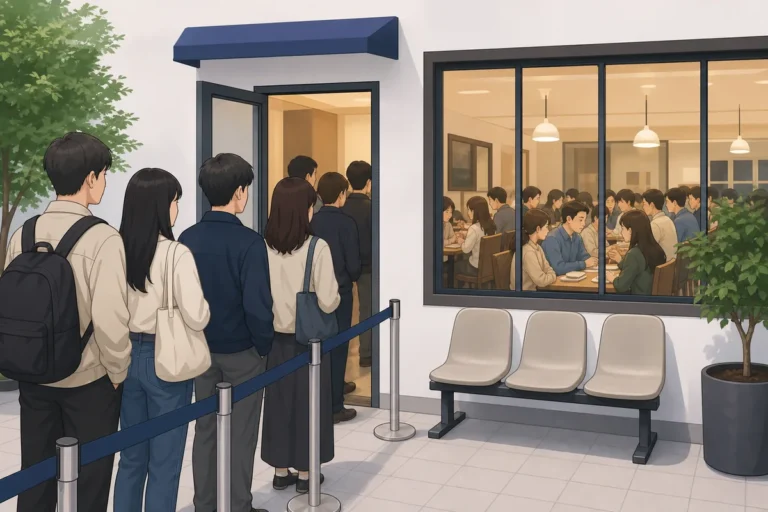
Popular Korean restaurants — especially samgyeopsal (pork belly) spots, tteokbokki restaurants, and famous brunch cafés — often have a line out the door on weekends. Most of these places now use a paper dispenser at the entrance or a kiosk just inside the door. Some use a dedicated restaurant waiting app or a Kakao channel where you enter your phone number and receive a text message when your table is almost ready.
At many restaurants, a staff member will also ask how many people are dining. Give them the number, take your ticket, and then you are free to wait outside, browse nearby shops, or sit in a lobby area. Stay within earshot or keep your phone volume up if you gave a phone number, because some restaurants call out names or the last two digits of your phone number rather than a ticket number.
Hospitals and Clinics
At a hospital outpatient department, you usually register at the front desk first, and then the receptionist gives you a numbered slip or tells you your queue number. You then sit in the waiting area and watch the board above the nursing station or consultation rooms. Each room may have its own number sequence, so make sure you are watching the board for the correct department.
At a smaller local clinic (의원, ui-won), the process is simpler. You sign in at the front desk, show your health insurance card if you have one, and the receptionist adds you to the list. Your name or a number will be called when the doctor is ready. Waiting times at local clinics can be short, but popular clinics on Monday mornings can be very busy.
Stores, Banks, and Government Offices
Banks, post offices, and government offices almost always use a kiosk at the entrance. At a bank, you press a button on the kiosk for the type of service you need — for example, 입금 (deposit), 환전 (currency exchange), or 상담 (consultation) — and the machine prints a ticket. Sit in the waiting area and watch the board above the teller windows.
At a district office (구청) or immigration office, the kiosk may have an English option. Look for a small flag icon or the word 영어 (English) on the screen. If you cannot find it, ask a nearby staff member for help.
Electronics stores and mobile phone shops also use kiosk systems, especially on weekends. Select the service type, take your number, and browse the products while you wait — staff will come to find you or your number will appear on a screen near the service counter.
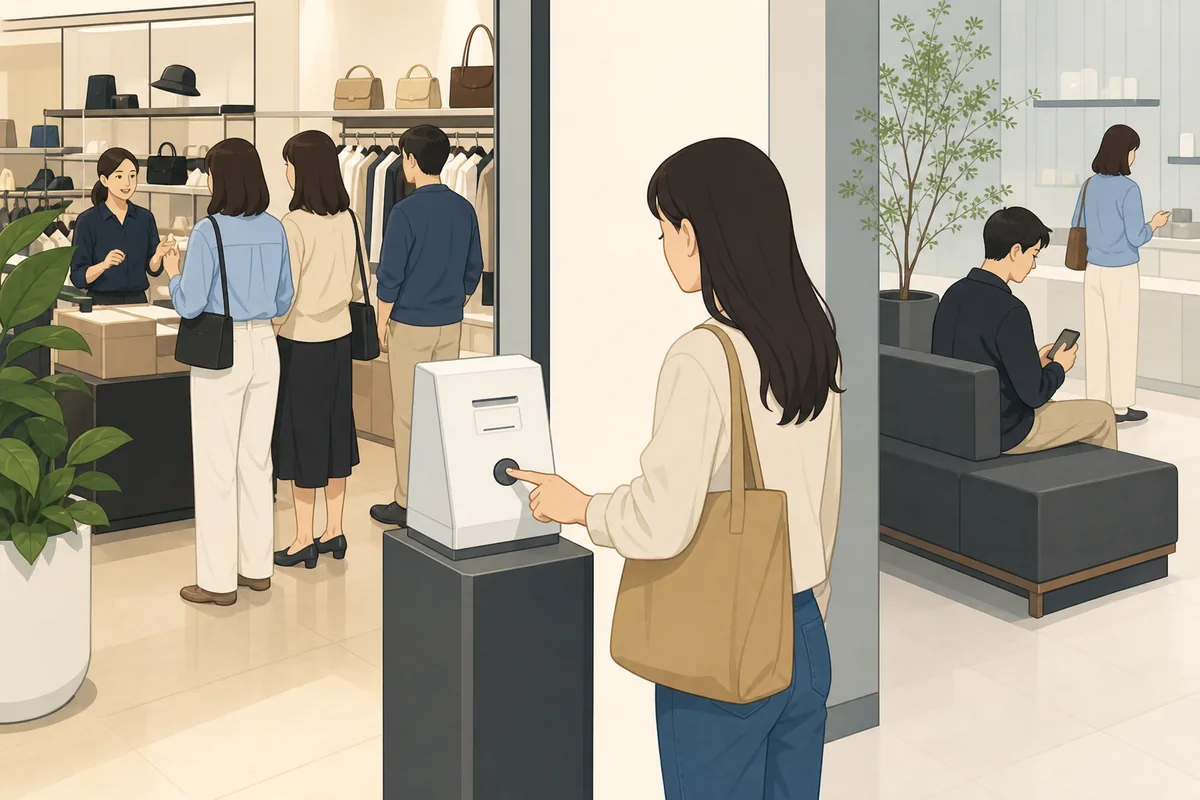
What Foreigners Often Get Wrong
- Walking past the dispenser: Many visitors walk straight to the counter or a table without taking a ticket. Staff may politely redirect you, but in a very busy place you could lose your spot entirely.
- Thinking a reservation replaces a 대기표: A reservation (예약, ye-yak) means you have a confirmed booking. A 대기표 is for walk-in waiting. They are different systems. Even with a reservation, some clinics still ask you to take a number when you arrive so they know you are physically present.
- Leaving the area too early: It is fine to step outside briefly, but walking several blocks away or going into a noisy shop without checking your phone can mean missing your call. Some places will skip your number after one or two attempts and move on.
- Not knowing which board to watch: In large hospitals, each department has its own queue and its own display board. Watching the wrong board means you will never see your number come up.
- Confusing the current number with their own number: The large number on the board is the one currently being served, not the number of people waiting. If the board shows 15 and your ticket says 20, you still have five turns to wait.
Useful Korean Phrases
Phrases for Getting and Using a 대기표
Warnings and Things to Check
⚠ Do Not Walk Too Far Away
Once you have your 대기표, stay close enough to hear a chime or see the display board. Some restaurants skip your number after calling it once or twice. If you gave a phone number, keep your phone on and the volume turned up. Walking into a noisy shop or going too far down the street can mean losing your spot.
⚠ A Waiting Ticket Is Not a Reservation
A 대기표 only holds your place in the current walk-in queue. It does not guarantee a seat at a specific time the way a reservation (예약) does. If the restaurant fills up before your number is called, you may still have to wait a long time. For very popular places, check whether they accept advance reservations through Naver or Kakao before you visit.
⚠ Watch the Correct Board in Hospitals
Large hospitals have separate queues for each department — internal medicine, orthopaedics, dermatology, and so on. Make sure you are watching the display board for the specific department where you registered. Watching the wrong board means you will never see your number appear. If you are unsure, ask the receptionist which board to watch.
⚠ Some Places Call Names or Phone Number Digits
Not every place calls a pure ticket number. Some restaurants call the last four digits of the phone number you entered, and some clinics call patient names in Korean. If you are not sure how you will be called, ask the staff member at the desk when you check in.
⚠ Confirm Current Information with the Venue
Queue systems, kiosk formats, and waiting procedures can change. Always confirm the current process directly with the restaurant, clinic, or office you plan to visit. Information in this guide is for general orientation only and may not reflect every venue’s current system.
Frequently Asked Questions
What does 대기표 (dae gi pyo) mean in English?
대기표 means a waiting ticket or queue number slip. It is the numbered ticket you receive when you arrive at a busy restaurant, clinic, bank, or government office in Korea. Your number tells you your place in the queue, and you wait until that number is displayed or announced.
What does a visitor do if a visitor miss a visitor’s number being called?
Go to the counter or reception desk as soon as you realise you missed your call and say 제 번호 놓쳤어요 (je beon-ho no-chyeo-sseo-yo — “I missed my number”). Staff are usually understanding, especially with foreign visitors. In some places they will call your number again; in others you may need to take a new ticket and wait again. Being polite and apologetic helps.
Do all restaurants in Korea use a 대기표 system?
No. Smaller or less busy restaurants may simply seat you when you arrive or ask you to wait by the door. The 대기표 system is most common at popular or busy venues where demand regularly exceeds immediate seating. If you are unsure, look for a dispenser, kiosk, or a staff member near the entrance.
Summary
DaeGiPyo meaning in Korea is straightforward: it is a waiting ticket or queue number that helps restaurants, clinics, stores, and public offices manage lines fairly.
Once you know where to get it, how to read the board, and how to stay close enough to hear your call, the system becomes easy to use. If you miss your number, stay polite, ask for help, and take a new ticket if needed.
Related and Official Resources
Sources & Verification
- Seoul Arts Center — www.sac.or.kr
Last checked: July 30, 2026